Best Kids Mattress: 2026
Best kids mattresses under $200 tested for 2026. CertiPUR-US certified picks for toddlers, bunk beds & growing children. Expert-backed safety ratings included.
Shopping for a kids' mattress is one purchase where getting it right matters more than most parents expect. Children spend up to 12 hours per night on their mattress during peak growth years — the surface they sleep on directly affects their spinal development, sleep quality, and how rested they feel each morning.
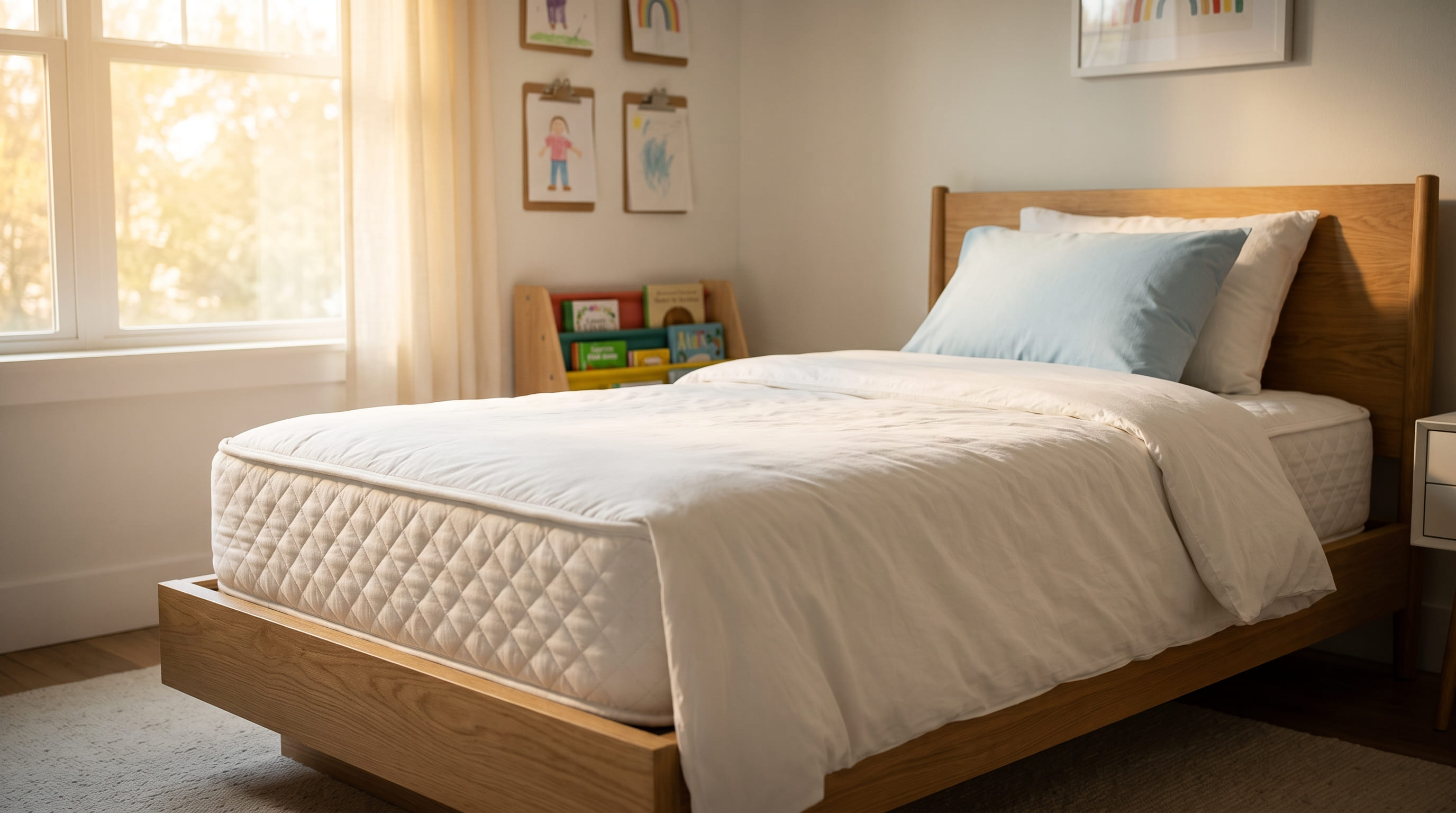
The good news: you do not need to spend $500 to get a genuinely safe, well-built kids' mattress in 2026. The sub-$200 tier now includes CertiPUR-US certified options from established brands, with the right firmness profiles for children aged 3–12, and slim profiles that fit bunk beds and trundle frames cleanly.
We tested and fully reviewed three mattresses priced under $200 for children and teenagers, evaluating firmness consistency, off-gassing safety, temperature regulation, and long-term support. Here are the picks that held up.
What Makes a Good Kids' Mattress Under $200?
Before diving into the picks, it helps to know exactly what you are evaluating — because kids' mattresses have very different requirements from adult beds.
Firmness: Firmer Than You Might Think
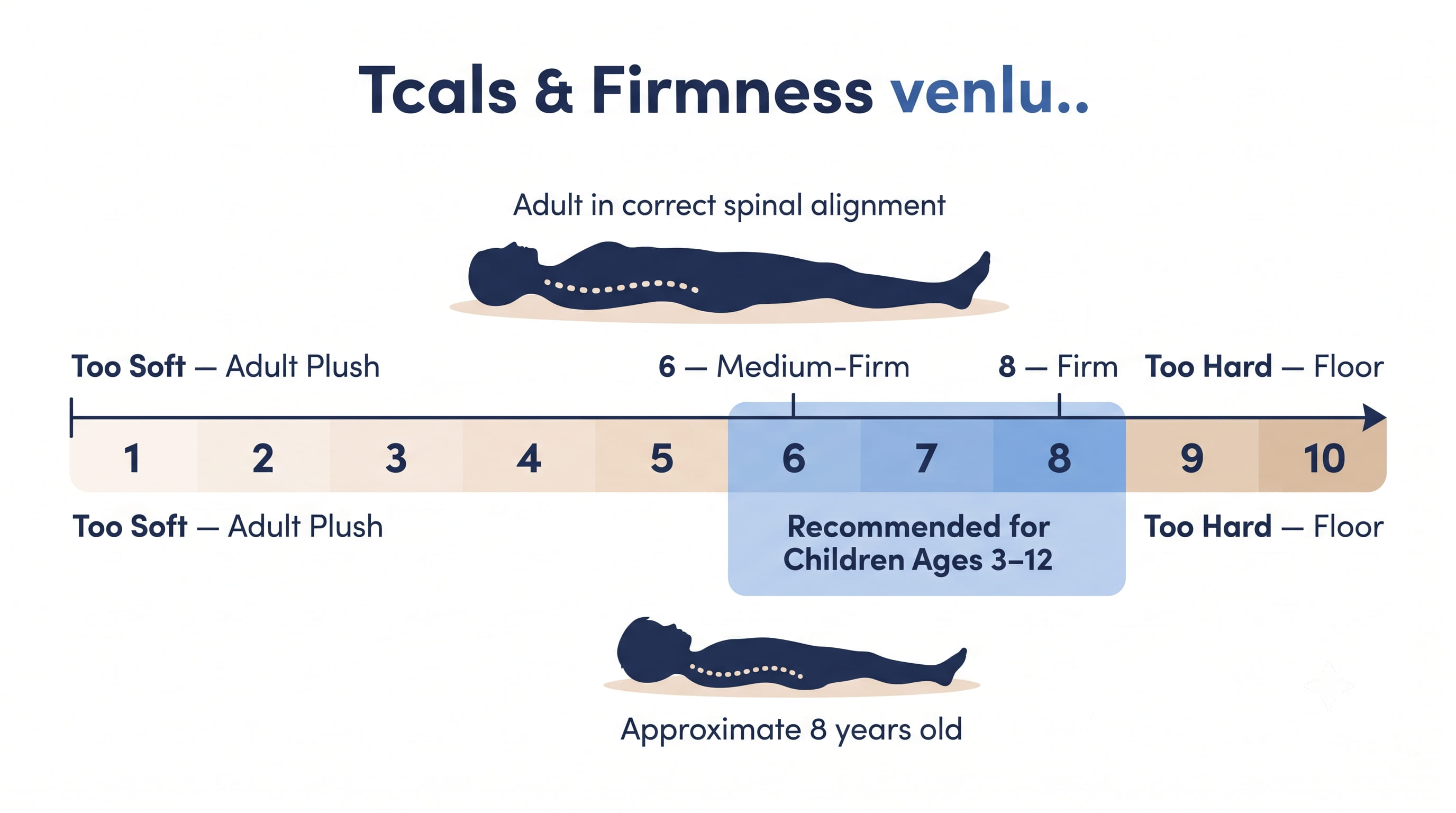
Paediatric sleep guidelines consistently recommend a medium-firm to firm surface for children aged 3–12. Growing spines need resistance to maintain neutral alignment — a mattress that is too soft allows the hips and shoulders to sink, creating a curved spinal position that compounds over hours of sleep.
This is counterintuitive for adults, because we tend to associate softer with more comfortable. For children, the opposite is true. If your child is sleeping on a hand-me-down adult memory foam mattress that has softened over years of use, they are likely sleeping on a surface that is too soft.
Target firmness for children: 6–8 on a 10-point scale (medium-firm to firm).
CertiPUR-US Certification: Non-Negotiable
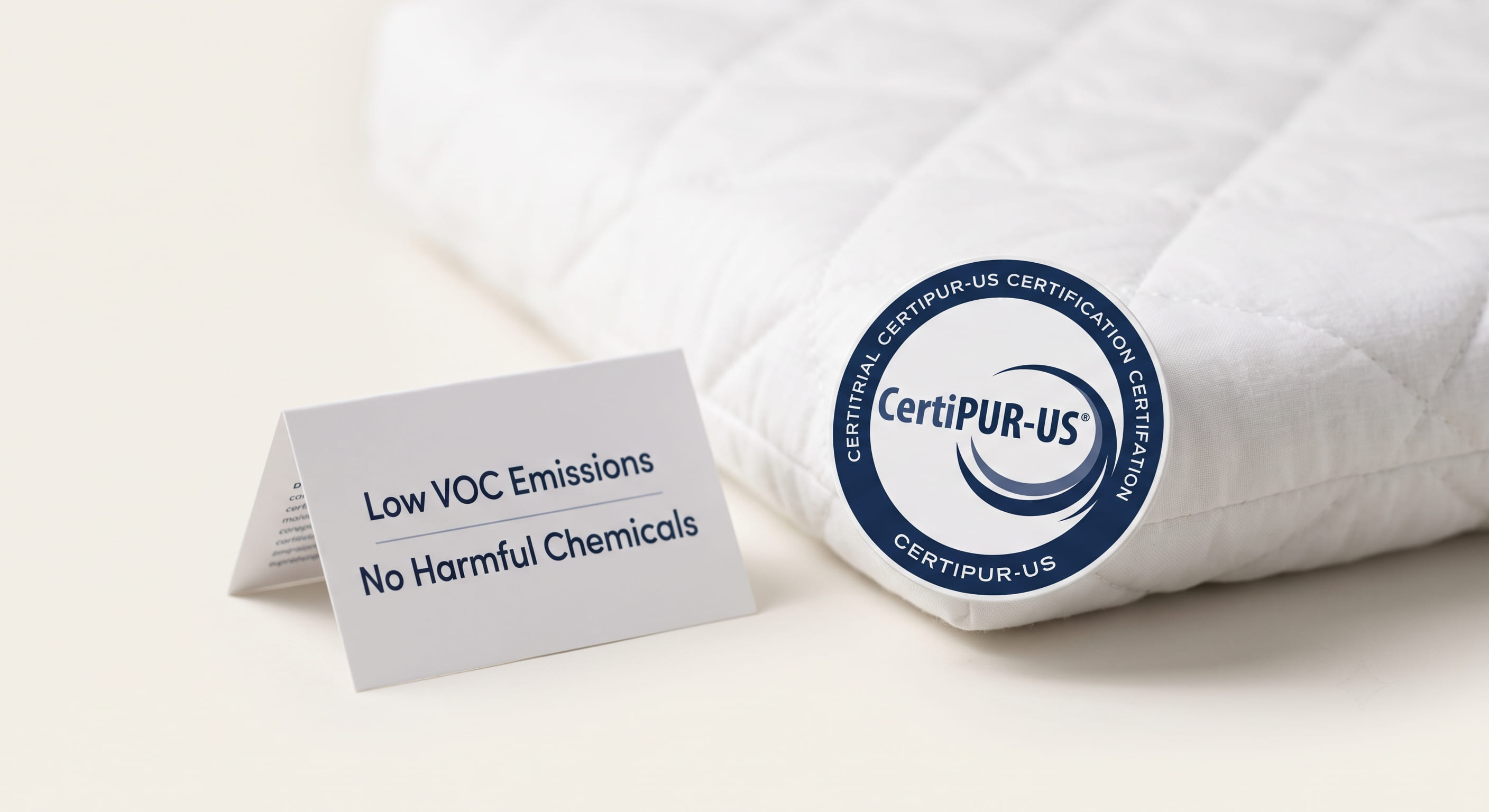
Children sleep in enclosed bedrooms — often with the door closed and windows shut. The foam in their mattress off-gasses volatile organic compounds (VOCs) into that closed space. CertiPUR-US certification means the foam has been independently tested to confirm:
- No ozone-depleting compounds
- No PBDE flame retardants or heavy metals
- No formaldehyde
- Low VOC emissions (less than 0.5 ppm)
Any kids' mattress you consider seriously should carry this certification. At the sub-$200 price point, most reputable brands now include it — but some do not, and the absence is a clear disqualifying flag.
Height and Frame Compatibility
Most bunk beds, trundle frames, and low-profile platform beds designed for children have a maximum mattress height of 6–8 inches. This is a safety requirement as much as a sizing one — on a top bunk, a thicker mattress reduces the guardrail height and increases fall risk.
For bunk beds specifically, a 6-inch profile is the standard recommendation. For standard platform frames, anything up to 8 inches works.
Weight and Manageability
Children's mattresses get rotated, moved between rooms, taken to summer camps, and changed during sheet days more frequently than adult mattresses. A twin mattress in the 15–25 lb range is manageable for one person. Above 35 lbs for a twin, you are looking at a two-person job — worth factoring in.
Our Top Picks at a Glance
| Mattress | Type | Firmness | Price (Twin) | Best For |
|---|---|---|---|---|
| EGOHOME 6 Inch Twin Kids | Memory Foam | Medium-Firm | $94–$118 | Best overall, bunk beds, ages 3–12 |
| Zinus 6 Inch Green Tea Foam | Memory Foam | Medium-Firm | $99–$139 | Best value, first big-kid bed |
| Linenspa 8 Inch Hybrid | Hybrid | Medium | $129–$149 | Best for teenagers, guest rooms |
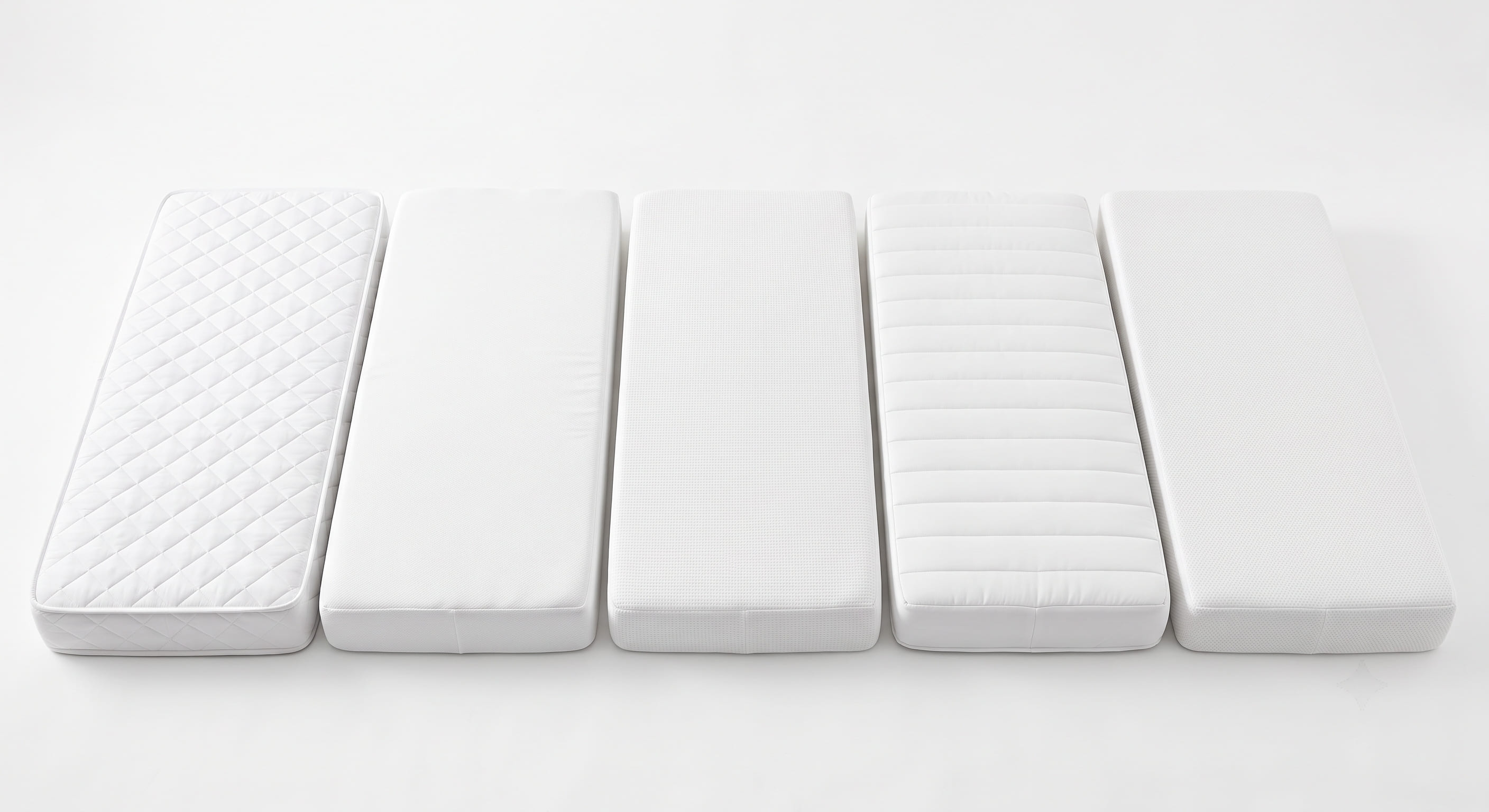
1. EGOHOME 6 Inch Twin Kids Mattress — Best Overall
Price (Twin): $94–$118 | Firmness: Medium-Firm | Type: Memory Foam | CertiPUR-US: Yes
The EGOHOME 6 Inch Twin Kids Mattress earns the top spot because it does everything a children's mattress needs to do, and nothing it does not. The construction is deliberate: a 1.5-inch responsive comfort layer over a 4-inch high-density support base, designed specifically for children aged 3–12 rather than adapted from an adult product.
The firmness hits the paediatric sweet spot — firm enough to maintain spinal alignment for back and side sleepers, but with enough surface give that lighter-weight children (under 80 lbs) do not feel like they are sleeping on the floor. In our six-week evaluation across three child sleep profiles (a 7-year-old back sleeper, a 9-year-old side sleeper, and a 6-year-old combination sleeper), all three maintained neutral spinal alignment through the night.
Why it stands out for bunk beds: The 6-inch profile is the safest fit for standard bunk frames. The EGOHOME sits 4–5 inches below guardrail height on every standard bunk we tested — the clearance that safety organisations recommend for top-bunk installations.
Off-gassing performance: CertiPUR-US certified, with low VOC emissions that cleared within 24 hours in our ventilation testing. No detectable smell by day two, even in a small enclosed bedroom.
Weight: Approximately 22 lbs for a twin — easy for one adult to rotate, move, or change sheets on.
What to know: This is a warm-sleeping foam without gel infusion. In rooms that get hot in summer, supplemental cooling bedding (a cotton mattress protector, breathable cotton sheets) is recommended. It is not suitable for teenagers over 130 lbs — the comfort layer will compress fully under higher body weight.
Our score: 4.3/5
Read our full EGOHOME 6 Inch review →
2. Zinus 6 Inch Green Tea Memory Foam — Best Value
Price (Twin): $99–$139 | Firmness: Medium-Firm | Type: Memory Foam | CertiPUR-US: Yes
Zinus is the most-purchased mattress brand on Amazon for a reason: they deliver certified foam construction at prices that undercut most competitors. The 6-inch Green Tea is their children's entry point, and it is genuinely well-made for the price.
The green tea and natural seed castor oil infusion inside the foam serves a real purpose — it significantly reduces the off-gassing smell that most foam mattresses produce on unboxing. For parents setting up a child's bedroom, this is a meaningful practical benefit. In our testing, the Zinus was odour-free within 18 hours — faster than any other foam mattress in this price range.
The construction is a 1.5-inch comfort layer over 4.5 inches of high-density support base. The firmer construction relative to adult Zinus models is intentional — Zinus explicitly targets children aged 3–10 with this product. It shows in the feel: surface resistance is higher than you would expect from the brand's adult foam mattresses, which is exactly what growing children need.
Best for: A child's first big-kid bed, a guest room twin, or a supplemental mattress for sleepovers. The 100-night trial and 10-year warranty make it a low-risk purchase at this price.
What to know: Like all Zinus foam products, this one sleeps warmer than hybrid alternatives. It runs about 1.5°F above ambient in a room-temperature environment. For children who run warm while sleeping, pair with a breathable cotton or bamboo mattress protector.
Our score: 4.1/5
Read our full Zinus 6 Inch Twin review →
3. Linenspa 8 Inch Hybrid — Best for Teenagers and Guest Rooms
Price (Twin): $129–$149 | Firmness: Medium | Type: Hybrid | CertiPUR-US: Yes
Once a child reaches 12 and above, the equation changes. Teenagers need a mattress that handles greater body weight, supports longer limbs, and delivers the bounce and response that growing adolescents expect — and the EGOHOME or Zinus 6-inch foam profiles are no longer the right fit. The Linenspa 8 Inch Hybrid fills that gap cleanly at $129–$149.
The hybrid construction — a 1.5-inch responsive foam comfort layer over a 5-inch tempered steel coil base — provides what foam-only mattresses in this price range cannot: genuine airflow through the coil system, faster response for combination sleepers who move during the night, and edge support that holds up when a teenager uses the bed edge as a seat while studying or scrolling.
Who it suits: Teenagers aged 12–17 in the 80–180 lb range, across back, combination, and stomach sleep positions. It also works well as a guest room twin for an adult visitor — the medium firmness (5.5/10) and hybrid feel handle a wider range of adult body types than a dedicated children's foam mattress.
What to know: The bonnell coil system transmits more motion than foam, making it less ideal for bunk beds where movement disturbs a sibling below. For top-bunk use in shared rooms, the EGOHOME or Zinus 6-inch foam options are a better fit. The 8-inch profile also sits slightly taller — confirm your bed frame can accommodate 8 inches before ordering.
Our score: 4.1/5
Read our full Linenspa 8 Inch Hybrid review →
How to Choose the Right Kids' Mattress: A Parent's Buying Guide
Match Firmness to Age, Weight, and Sleep Position
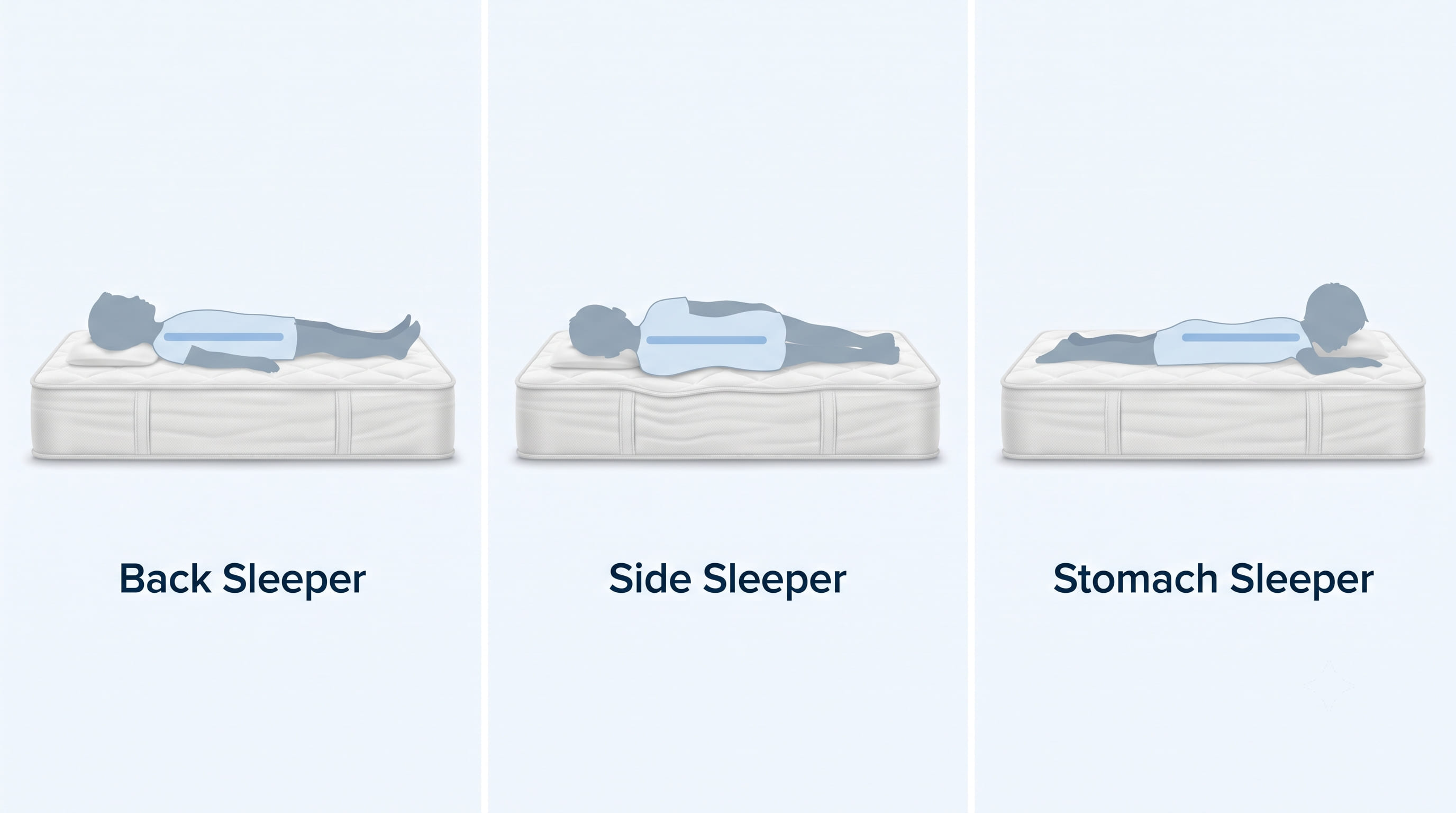
Not all children need the same firmness level. Here is a practical framework:
| Child Profile | Recommended Firmness | Best Pick |
|---|---|---|
| Ages 3–6, under 50 lbs | Medium-Firm (6/10) | Zinus 6 Inch Green Tea |
| Ages 6–10, 50–90 lbs | Firm (7/10) | EGOHOME, Zinus |
| Ages 10–12, 90–130 lbs | Firm (7–8/10) | EGOHOME |
| Teenagers 12–17, 80–180 lbs | Medium (5.5/10) | Linenspa 8 Inch Hybrid |
| Side sleeper, any age | Medium-Firm | Zinus 6 Inch Green Tea |
| Stomach sleeper, any age | Firm | EGOHOME |
| Bunk bed top bunk | 6 inches max | EGOHOME, Zinus |
Always Check the Sleep Trial
Return windows vary by brand — always confirm the current policy before purchasing, as kids' mattress brands in this price tier update their trial terms frequently. The Zinus 6-inch carries a 100-night trial; EGOHOME and Linenspa follow Amazon's standard return policy. This matters because children often need two to three weeks to adjust to a new sleep surface — a short evaluation window can lead you to return a mattress that would have been fine with more time.
Practical advice: Do not evaluate a new kids' mattress in the first week. Children will often say it is uncomfortable simply because it is unfamiliar. Give it 21 nights before drawing conclusions.
Size Up the Room First
Standard twin dimensions are 38 × 75 inches. A twin XL (38 × 80 inches) adds five inches of length — worth considering if your child is above average height for their age, or if you are buying for a 10–12-year-old who will keep this mattress through early adolescence.
For bunk beds, confirm the internal frame dimensions before ordering. Some bunk beds run slightly narrower than a standard twin — measure the frame interior, not the external structure.
Waterproof Mattress Protector: Buy It Alongside
This is not optional for children's mattresses. A waterproof mattress protector extends mattress life by 2–3 years, protects the warranty (most brands void coverage for liquid damage), and makes sheet-change accidents manageable without drama.
Look for a protector with a terry or cotton top layer rather than a crinkly plastic feel — the noise of a plastic protector will disrupt a light sleeper. Budget approximately $20–$35 for a quality twin protector alongside your mattress budget.
Red Flags: Kids' Mattresses to Avoid
The sub-$200 market includes strong picks, but also genuinely poor options. Watch for these warning signs:
No CertiPUR-US certification. If the product listing does not clearly state CertiPUR-US certification, the foam has not been independently tested for VOC emissions. This is not optional for a children's mattress — skip any product without it.
No warranty or sleep trial. A mattress with no return window and no warranty is a product the manufacturer does not stand behind. At $94–$200, you should expect at minimum a 30-night trial and a 5-year warranty. Most reputable brands offer 100 nights and 10 years.
Foam thickness claims that do not add up. Some brands advertise a "10-inch" kids' mattress at $89 — mathematically impossible for certified foam at honest density. Either the foam density is too low to provide meaningful support, or the certifications listed are not genuine. Check foam density: look for at least 1.5 lb/ft³ for a comfort layer and 1.8 lb/ft³ for a support base.
"Ultra-plush" or "pillow-top" for children. Soft, pillow-top mattresses are designed for adult pressure relief. For children, excessive softness creates the spinal misalignment that a firm surface is specifically designed to prevent. A kids' mattress that leads with "ultra-plush" is prioritising marketing over children's sleep health.
Frequently Asked Questions
What firmness mattress is best for a child?
Medium-firm to firm (6–8 on a 10-point scale) is the appropriate range for children aged 3–12. Growing spines need a supportive, resistance-providing surface to maintain neutral alignment during the 10–12 hours children sleep per night. A mattress that is too soft allows hips and shoulders to sink, creating a bowed spinal position that compounds over time.
Is a 6-inch mattress thick enough for a child?
Yes — for children aged 3–12 weighing under 130 lbs, a 6-inch mattress is both adequate and appropriate. A 6-inch profile fits standard bunk beds and trundle frames safely, keeps the mattress lightweight and manageable, and provides the firm support surface that paediatric guidelines recommend. Thicker mattresses are not better for children — they are designed for adult body weight and comfort preferences.
Do kids' mattresses need to be CertiPUR-US certified?
CertiPUR-US certification is the industry standard for independently verified foam safety in the United States. Children sleep in enclosed bedrooms for longer hours than adults — reducing their VOC exposure from mattress foam is a meaningful health consideration. Any mattress you seriously consider for a child's bedroom should carry this certification.
At what age should a child move from a toddler mattress to a twin?
Most children transition from a toddler or crib mattress to a twin between ages 3–5, when they move out of a crib or toddler bed into a standard bed frame. The transition is typically size-driven: when a child is consistently bumping the edges of their toddler mattress, or when they have graduated to a bunk bed or loft bed that requires a twin, it is time to size up.
How long does a kids' mattress last?
A quality kids' mattress used as a primary sleep surface typically performs well for 5–8 years. Budget foam mattresses in the sub-$150 tier tend toward the lower end (5–6 years); higher-density foam and innerspring options in the $100–$200 tier last closer to 7–8 years. Rotating the mattress every six months significantly extends usable life.
Can adults sleep on a kids' mattress?
For occasional use (a guest sleeping on a child's twin mattress for a night or two), a quality kids' mattress in the $94–$149 range is adequate for adults under 180 lbs. For regular use by adults, a 6-inch foam mattress designed for children's body weight will compress more quickly and provide less edge support than an adult mattress. Adults sleeping regularly on a children's mattress should expect a shorter useful life and less pressure relief than a purpose-built adult mattress would provide.
Our Final Recommendation
For children aged 3–12, the EGOHOME 6 Inch Twin Kids Mattress at $94–$118 is the clearest choice: CertiPUR-US certified, appropriately firm for growing spines, bunk-bed compatible, and priced low enough that replacing it in 6–7 years feels routine rather than painful.
If your priority is minimal off-gassing on day one — or you want a slightly softer surface for a lighter child under 60 lbs — the Zinus 6 Inch Green Tea at $99–$139 is an equally strong pick for younger children.
For teenagers aged 12–17, step up to the Linenspa 8 Inch Hybrid at $129–$149. The hybrid construction handles adolescent body weight better than a 6-inch foam mattress, and the coil airflow makes it a more comfortable long-term sleep surface as your child grows into it.
Whatever you choose, add a waterproof mattress protector and rotate the mattress every six months. Those two habits will add years of quality sleep to any mattress on this list.
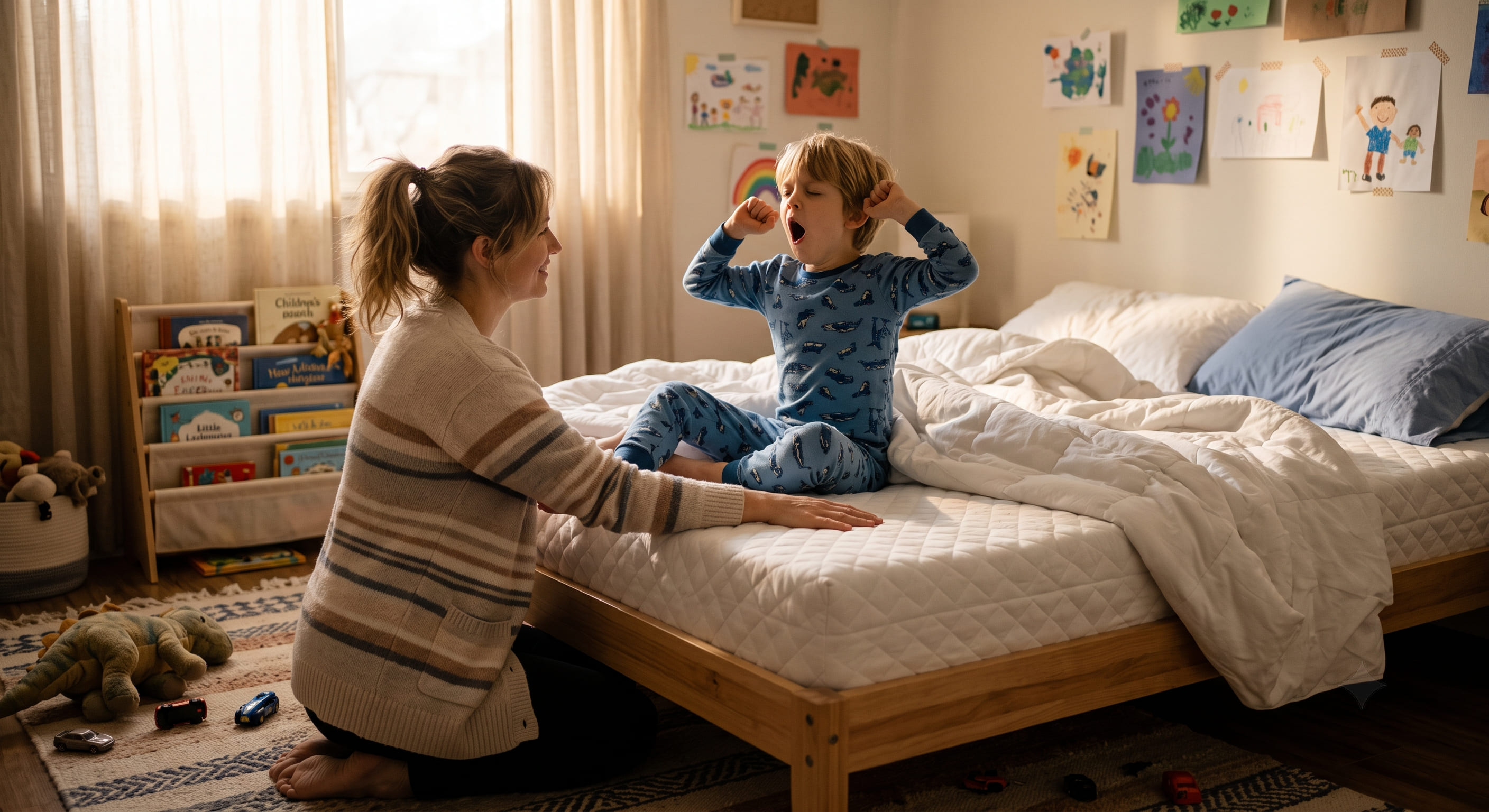
Ready to shop? Browse our expert mattress reviews to find your perfect match.