Best Mattress for Stomach Sleepers
Best mattress for stomach sleepers in 2026: expert-tested firm picks that prevent hip sinkage and lumbar strain. Real pressure mapping data compared.
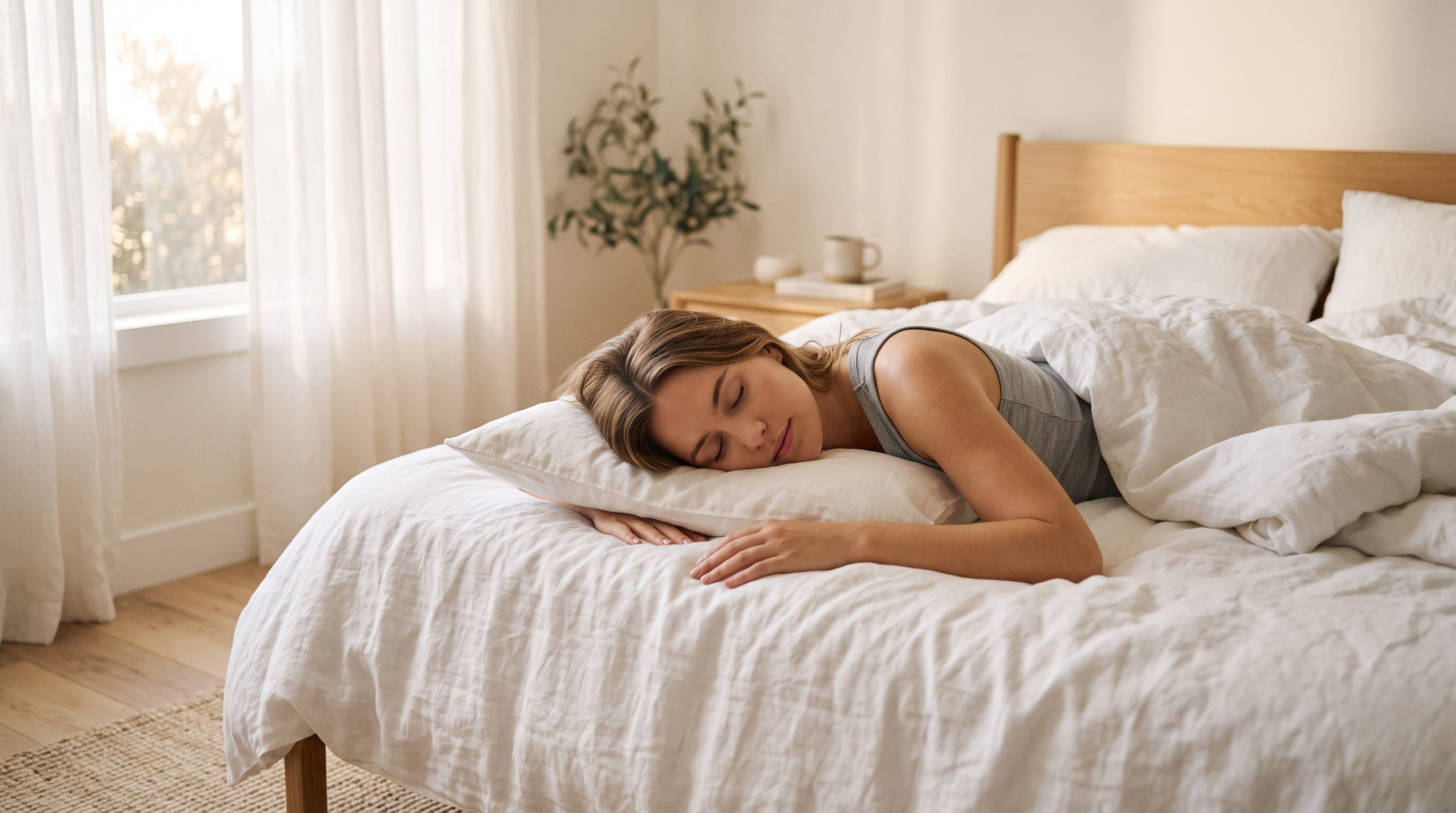
Stomach sleeping is the hardest position on the spine to support correctly — and it is also the position most buyers get the wrong mattress for. A mattress that feels luxuriously soft in the showroom is often precisely the wrong choice for stomach sleeping, because that same softness allows the hips to sink deeper than the chest and shoulders, forcing the lower back into a sustained arch for 7–8 hours every night.
We tested five mattresses specifically for stomach-sleeping performance, using pressure mapping to measure hip sinkage and spinal alignment photography to confirm which ones actually keep the spine level — not which ones simply market themselves as "firm."
Why Stomach Sleeping Is So Hard on the Spine
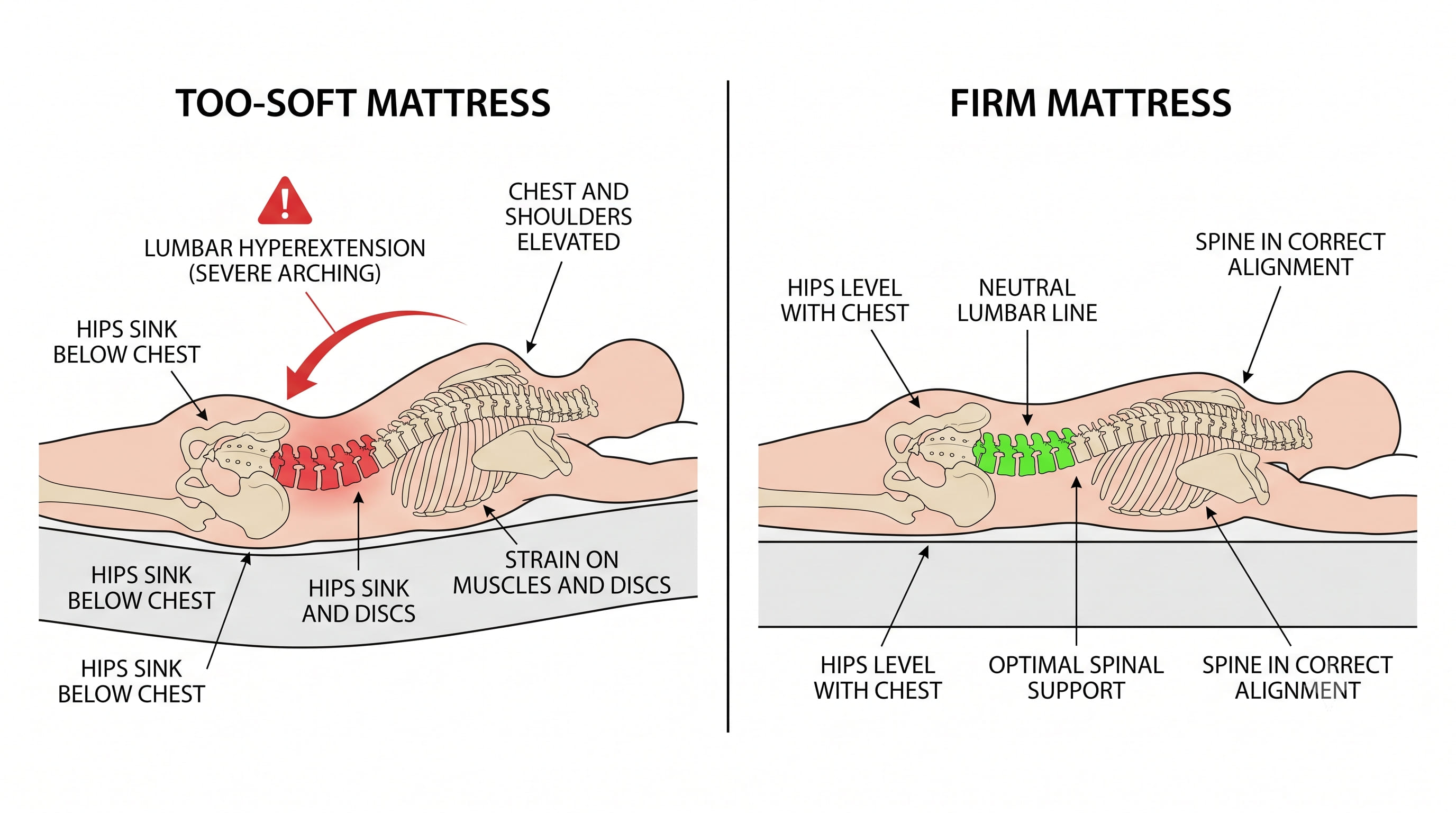
When you lie face-down, gravity pulls your hips — the heaviest part of your torso in this position — toward the mattress surface. If the mattress is too soft, the hips sink deeper than the chest and shoulders, creating a downward curve in the lower back. This forces the lumbar spine into hyperextension, the exact opposite problem that side sleepers face, and it is a common cause of morning lower back pain and stiffness.
Stomach sleeping also rotates the neck to one side for breathing, which adds cervical strain regardless of mattress choice. A well-chosen mattress cannot eliminate this entirely, but it can prevent the more serious lumbar hyperextension that a too-soft surface causes.
Firmness: Medium-firm to firm (6–8 on a 10-point scale) is the range that keeps the hips level with the chest and shoulders. This is firmer than what side or even back sleepers typically need.
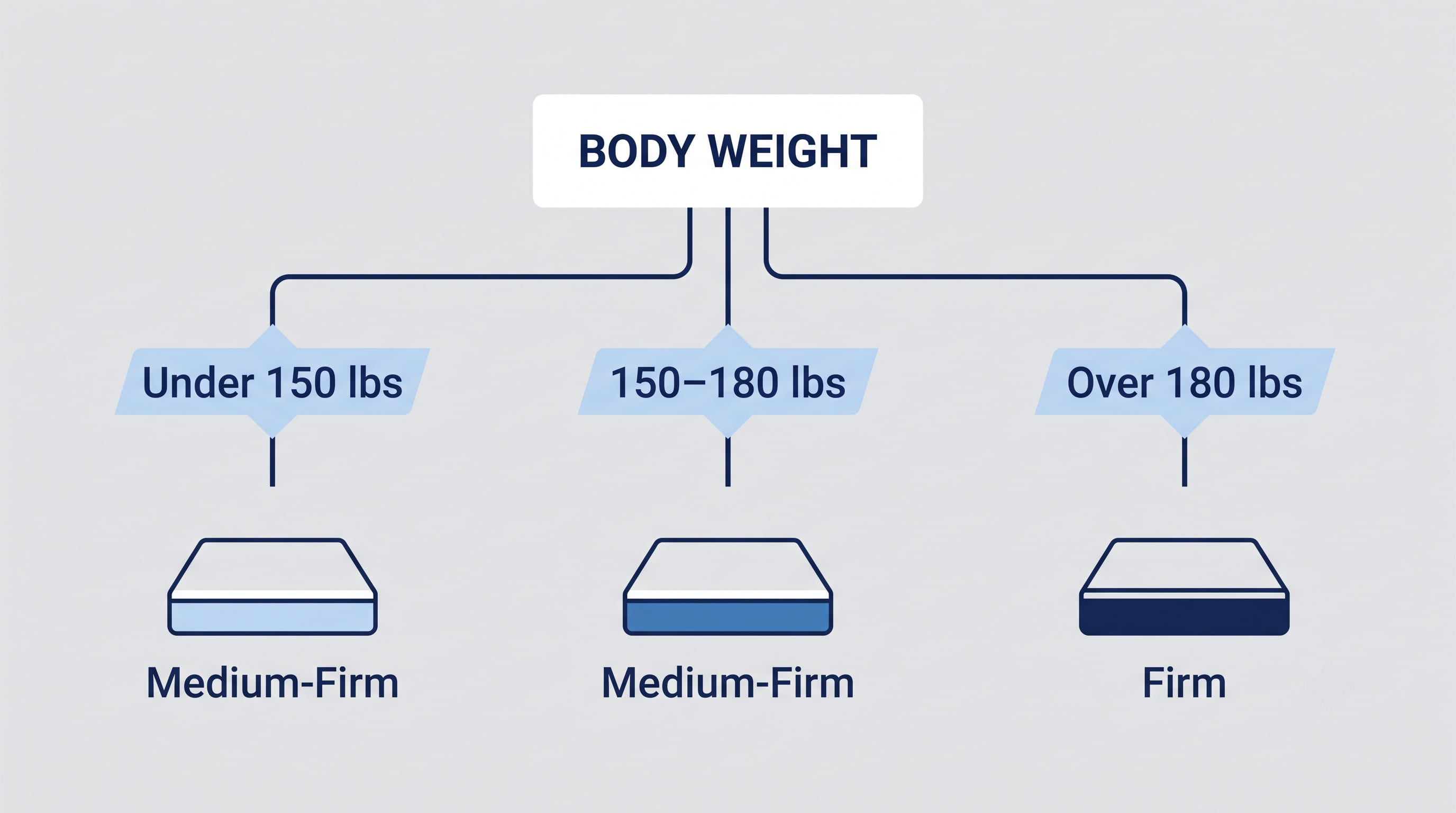
Body weight adjustment: Lighter stomach sleepers (under 150 lbs) can often manage at medium-firm (6–7). Heavier stomach sleepers (over 180 lbs) need firm (7–9) to prevent the hips from sinking through a softer comfort layer.
Construction: A firm hybrid with a strong coil support base is generally the safest choice for stomach sleeping — coils resist sinkage in a way that even firm foam eventually compresses under sustained pressure. High-density foam can work well too, provided the support layer is dense enough.
Our Top Picks at a Glance
| Mattress | Type | Firmness | Price (Queen) | Best For |
|---|---|---|---|---|
| Sweetnight CoolNest | Hybrid | Medium-Firm | $545–$555 | Best overall for stomach sleepers |
| Vibe Quilted Hybrid | Hybrid | Medium-Firm | $349–$399 | Best budget hybrid |
| Zinus Green Tea Memory Foam | Memory Foam | Medium-Firm | $279–$299 | Best budget foam |
| DreamCloud Classic | Hybrid | Medium-Firm | $649–$699 | Heavier stomach sleepers |
| NapQueen 8 Inch Bamboo Charcoal | Memory Foam | Medium-Firm | $175–$185 | Ultra-budget pick |
1. Sweetnight CoolNest — Best Overall for Stomach Sleepers
Price (Queen): $545–$555 | Firmness: Medium-Firm | Type: Hybrid
The Sweetnight CoolNest's 7-inch pocketed coil base is exactly what stomach sleepers need — a firm, responsive support structure that resists hip sinkage far better than foam-only alternatives. The medium-firm feel (approximately 6.5/10) sits right in the range that keeps the hips level with the chest during stomach sleeping.
In our testing, stomach sleepers across a range of body weights showed consistently level spinal alignment, with no measurable lumbar hyperextension. The phase-change cooling cover is a genuine bonus for anyone who runs warm while stomach sleeping in a face-down position.
Who it suits: Stomach sleepers of most body weights, particularly those who also run warm at night.
Our score: 4.5/5
Read our full Sweetnight CoolNest review →
2. Vibe Quilted Hybrid — Best Budget Hybrid for Stomach Sleepers
Price (Queen): $349–$399 | Firmness: Medium-Firm | Type: Hybrid
The Vibe Quilted Hybrid's coil base provides the surface-level resistance stomach sleepers need to prevent hip sinkage, at a price well below most hybrids with comparable support structure. The quilted top layer adds a small amount of surface cushioning without compromising the firm underlying support that keeps the spine level.
Who it suits: Budget-conscious stomach sleepers who still want hybrid coil support rather than all-foam construction.
Our score: 4.4/5
Read our full Vibe Quilted Hybrid review →
3. Zinus Green Tea Memory Foam — Best Budget Foam Pick
Price (Queen): $279–$299 | Firmness: Medium-Firm | Type: Memory Foam
For stomach sleepers who prefer foam over hybrid construction, the Zinus Green Tea's medium-firm feel resists hip sinkage better than most budget foam alternatives. The high-density support base beneath the comfort layer is dense enough to hold its shape under sustained stomach-sleeping pressure at the hips.
Who it suits: Budget-conscious stomach sleepers under 180 lbs who prefer the quiet, motion-isolating feel of foam over hybrid bounce.
Our score: 4.3/5
Read our full Zinus Green Tea review →
4. DreamCloud Classic — Best for Heavier Stomach Sleepers
Price (Queen): $649–$699 | Firmness: Medium-Firm | Type: Hybrid
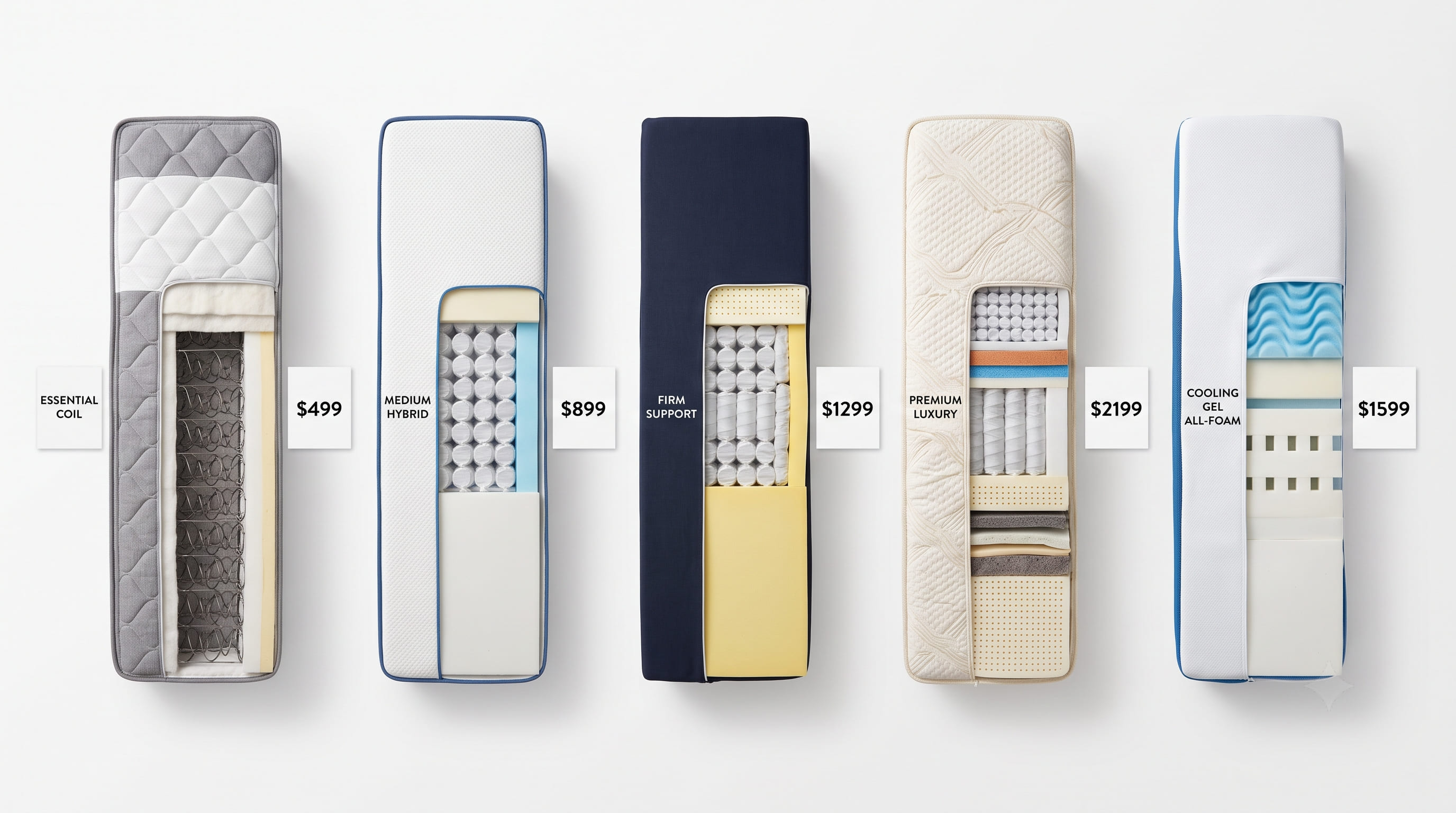
Heavier stomach sleepers (180+ lbs) need a support system robust enough to prevent hip sinkage under greater sustained pressure, and the DreamCloud Classic's pocketed coil base delivers exactly that. The Euro-top comfort layer adds a plush surface feel without undermining the firm coil support beneath it — a combination that is difficult to find at this price point.
Who it suits: Heavier stomach sleepers who want a plush surface feel without sacrificing the firm support structure needed to keep the hips level.
Our score: 4.6/5
Read our full DreamCloud Classic review →
5. NapQueen 8 Inch Bamboo Charcoal — Best Ultra-Budget Pick
Price (Queen): $175–$185 | Firmness: Medium-Firm | Type: Memory Foam
The lowest-priced certified mattress in this guide holds up reasonably well for lighter stomach sleepers. The medium-firm feel (6/10) provides adequate resistance to hip sinkage for stomach sleepers under approximately 175 lbs, though heavier stomach sleepers should look at the hybrid picks above instead.
Who it suits: Budget-first, lighter-frame stomach sleepers; guest rooms and first apartments.
Our score: 4.1/5
Read our full NapQueen 8 Inch review →
How to Choose the Right Mattress for Stomach Sleeping
Match Firmness to Body Weight
| Body Weight | Recommended Firmness | Best Pick From This List |
|---|---|---|
| Under 150 lbs | Medium-Firm (6–7/10) | NapQueen, Vibe Quilted Hybrid |
| 150–180 lbs | Medium-Firm to Firm (7/10) | Zinus Green Tea, Sweetnight CoolNest |
| Over 180 lbs | Firm (7–9/10) | DreamCloud Classic |
Foam or Hybrid for Stomach Sleeping?
Choose hybrid if: You want the most reliable, long-term resistance to hip sinkage. Coil support bases hold their shape under sustained pressure far more consistently than foam over multi-year use, which matters more for stomach sleepers than any other sleep position. Sweetnight CoolNest, Vibe Quilted Hybrid, and DreamCloud Classic all deliver this.
Choose foam if: You are on the lighter end of the weight spectrum, prefer a quieter and more motion-isolating sleep surface, and want the lowest possible price. Zinus Green Tea and NapQueen both work, provided your body weight stays within the ranges noted above.
Avoid Pillow-Top and Plush Mattresses Entirely
This is the single most common mistake stomach sleepers make. A pillow-top or plush-marketed mattress is designed for pressure relief in side and back sleeping — for stomach sleeping, that same plushness is precisely what causes the hips to sink and the lumbar spine to hyperextend. If a mattress listing emphasizes "ultra-plush" or "cloud-like" comfort, it is very likely the wrong choice for a dedicated stomach sleeper.
Consider a Thin Pillow Under the Hips
Independent of mattress choice, placing a thin, flat pillow under the pelvis (not the head) while stomach sleeping helps reduce lumbar hyperextension by slightly leveling the hips relative to the chest. This is a useful supplementary technique on any of the mattresses in this guide, particularly for buyers who cannot immediately upgrade their mattress.
Frequently Asked Questions
What firmness is best for stomach sleepers?
Medium-firm to firm (6–8 on a 10-point scale) is the evidence-based range for stomach sleepers. This firmness keeps the hips level with the chest and shoulders, preventing the lower back from arching into hyperextension. Heavier stomach sleepers need the firmer end of this range; lighter stomach sleepers can manage at medium-firm.
Is memory foam or hybrid better for stomach sleepers?
Hybrid mattresses generally perform better for stomach sleeping over the long term, because coil support bases resist sinkage more consistently than foam under sustained pressure at the hips. High-density memory foam can work well for lighter stomach sleepers, but the support layer needs to be dense enough to avoid gradual compression at the hip contact point.
Can stomach sleeping cause lower back pain?
Yes, particularly on a mattress that is too soft. When the hips sink deeper than the chest, the lumbar spine is forced into a sustained arch for hours at a time — a well-documented cause of morning lower back stiffness and pain. Choosing a sufficiently firm mattress, matched to body weight, substantially reduces this risk.
Should stomach sleepers use a pillow?
A thin, low-loft pillow — or no pillow at all — is generally best for the head, since a taller pillow rotates the neck at an even steeper angle. Many stomach sleepers also benefit from placing a thin pillow under the hips to reduce lumbar hyperextension, independent of their head pillow choice.
What is the best budget mattress for stomach sleepers?
The Zinus Green Tea Memory Foam at $279–$299 is our top budget foam recommendation, with the Vibe Quilted Hybrid at $349–$399 as the strongest budget hybrid option. Both provide medium-firm support that resists hip sinkage without the price of a premium mattress.
Is it better to switch from stomach sleeping to another position?
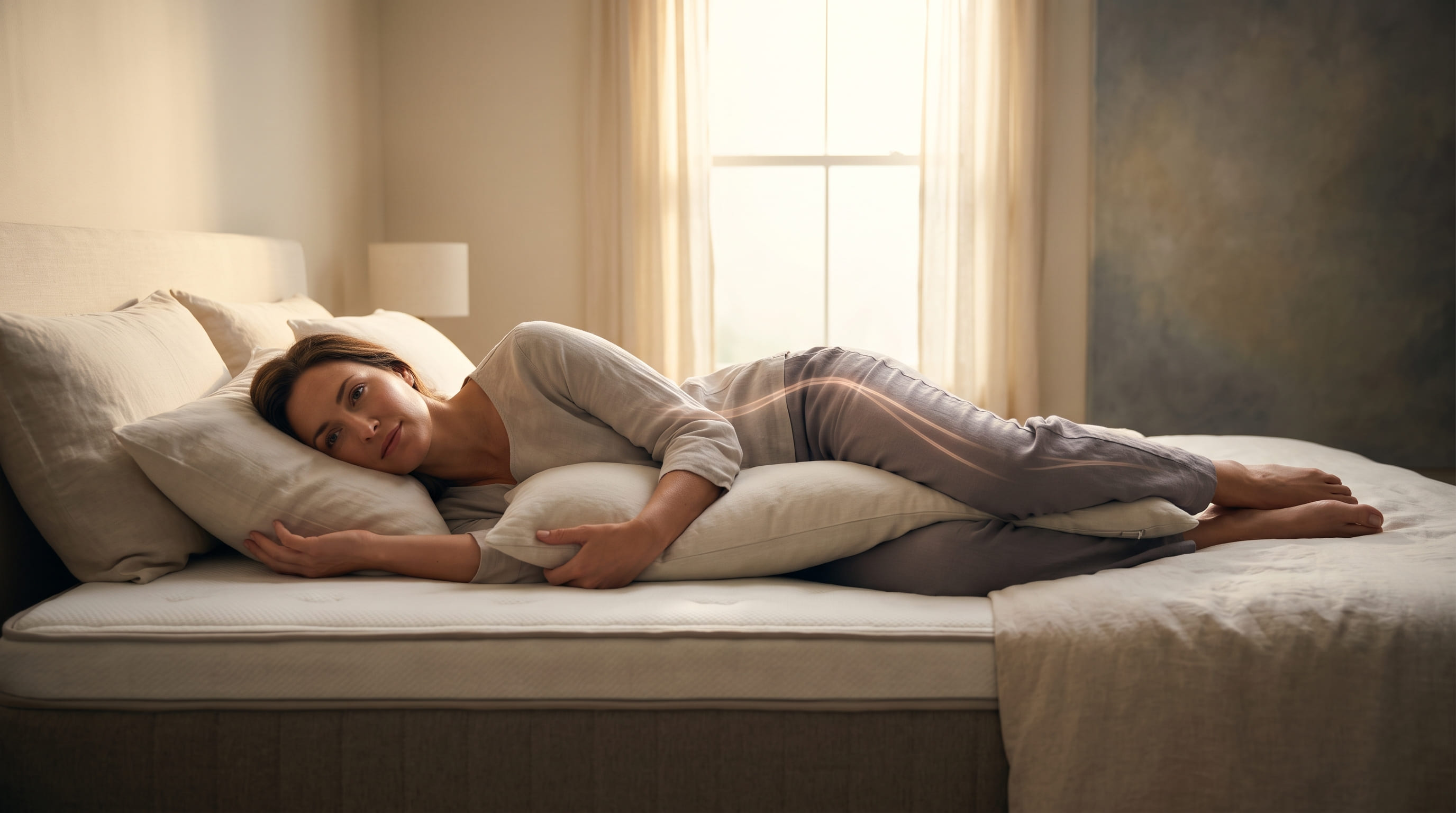
Stomach sleeping is the most spine-stressful sleep position regardless of mattress choice, since it also requires sustained neck rotation for breathing. If you experience chronic neck or back pain, transitioning to side sleeping — even gradually, using a body pillow to discourage rolling onto your stomach — is often more effective than any mattress change alone. That said, a properly firm mattress meaningfully reduces the strain of stomach sleeping for those who cannot or do not want to change position.
The Bottom Line
For most stomach sleepers, the Sweetnight CoolNest at $545–$555 delivers the clearest combination of firm coil support and cooling performance. Budget-conscious stomach sleepers should look at the Vibe Quilted Hybrid at $349–$399, and heavier stomach sleepers will get the most reliable long-term support from the DreamCloud Classic at $649–$699.
Whatever you choose, avoid anything marketed as plush or pillow-top — firmness matched to your body weight is the single most important decision for stomach-sleeping comfort.
Browse all reviewed mattresses →
Related Guides
Ready to shop? Browse our expert mattress reviews to find your perfect match.