
Memory foam pillows are popular because they mold to the head and neck and then recover slowly, which many sleepers find more supportive than fiberfill. The catch is that "memory foam" covers a wide range of products, from firm, solid blocks that trap heat to adjustable shredded fills that breathe well. The right pillow depends on how you sleep, how warm you run, and how much loft your shoulders need.
This guide explains what to check before you buy, and points to the memory foam pillows we have reviewed so you can compare them against the criteria below.

Start Here: What Are You Solving For?
| Your Situation | What to Look For | Where to Start |
|---|---|---|
| Side sleeper, neck bends toward the bed | Higher loft, firm enough to hold the head level | Side sleeper guide ↓ |
| Back sleeper, head tilts forward | Medium loft, contoured or moderately firm | Back sleeper guide ↓ |
| Hot sleeper, wake up sweaty | Shredded fill, breathable cover, or cooling gel | Cooling pillow guide ↓ |
| Want to fine-tune the height | Adjustable fill you can add or remove | Memory foam reviews ↓ |
How to Choose the Right Loft
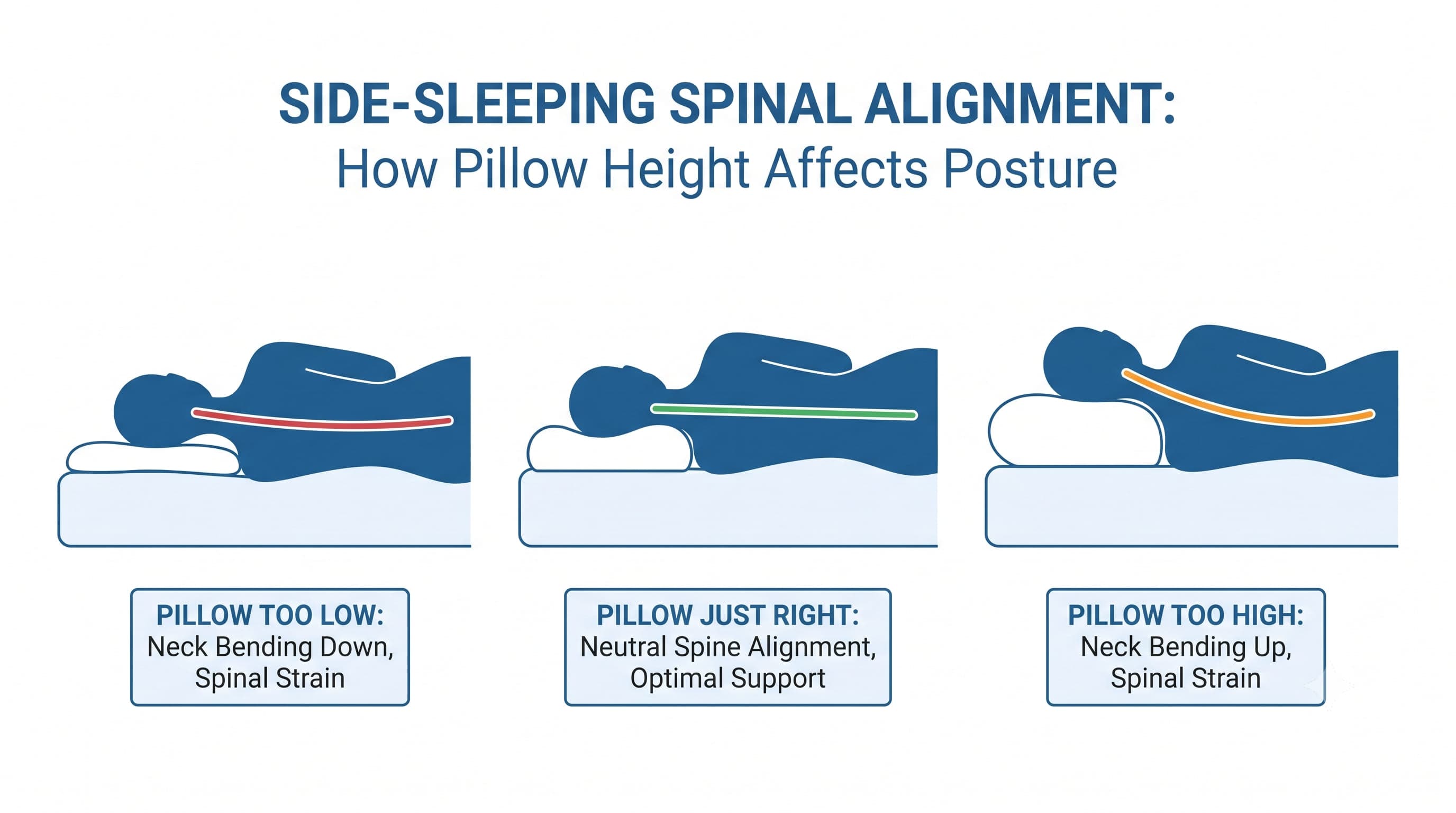
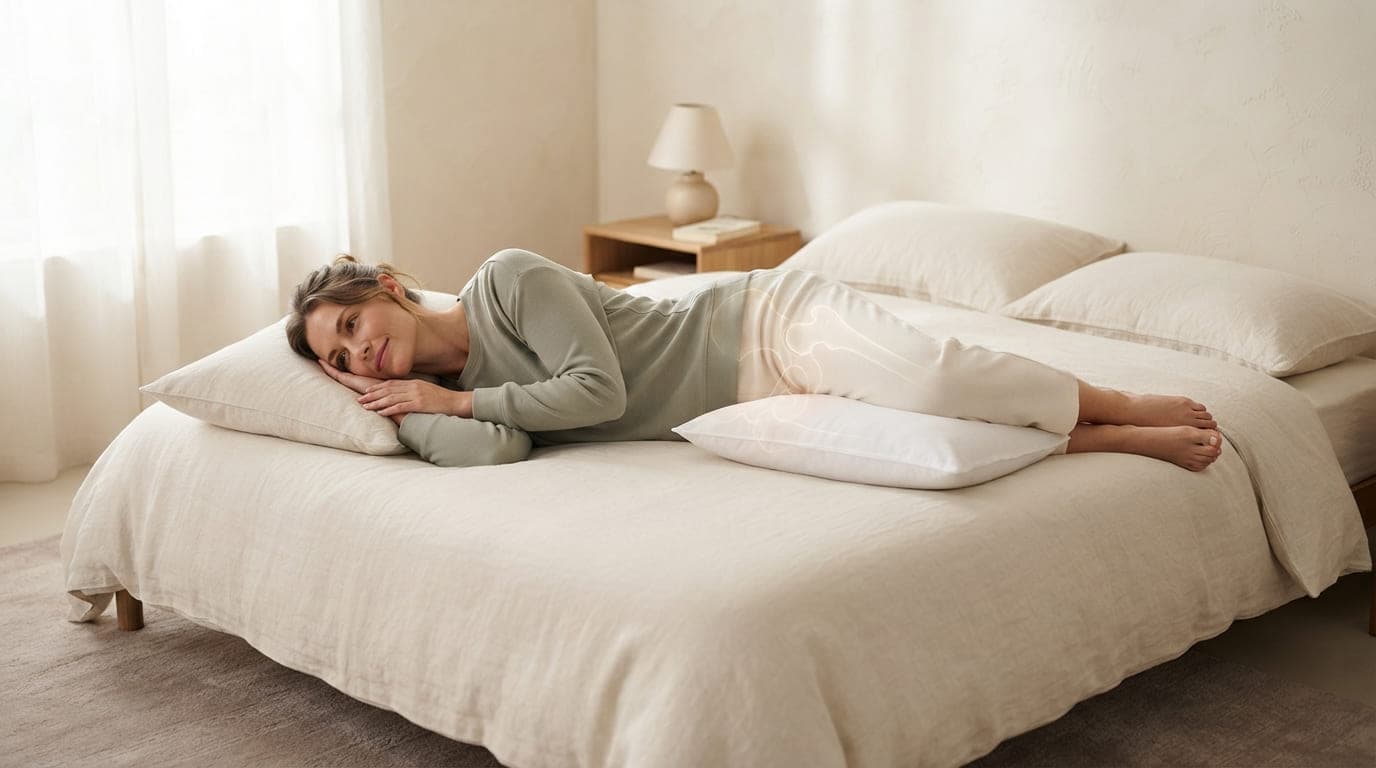
Loft is the height of the pillow when you lie on it, and it matters more than almost any other spec. Side sleepers need the most, because the shoulder lifts the head away from the mattress. Back sleepers need a moderate height that supports the curve of the neck without pushing the chin up. Stomach sleepers generally need the lowest loft or none at all.
Memory foam compresses under weight, so a pillow that feels right in a showroom can flatten over a night. Check how the pillow holds its height after a few minutes of pressure, not just how it feels when you first press it.
Solid Foam vs Shredded Foam
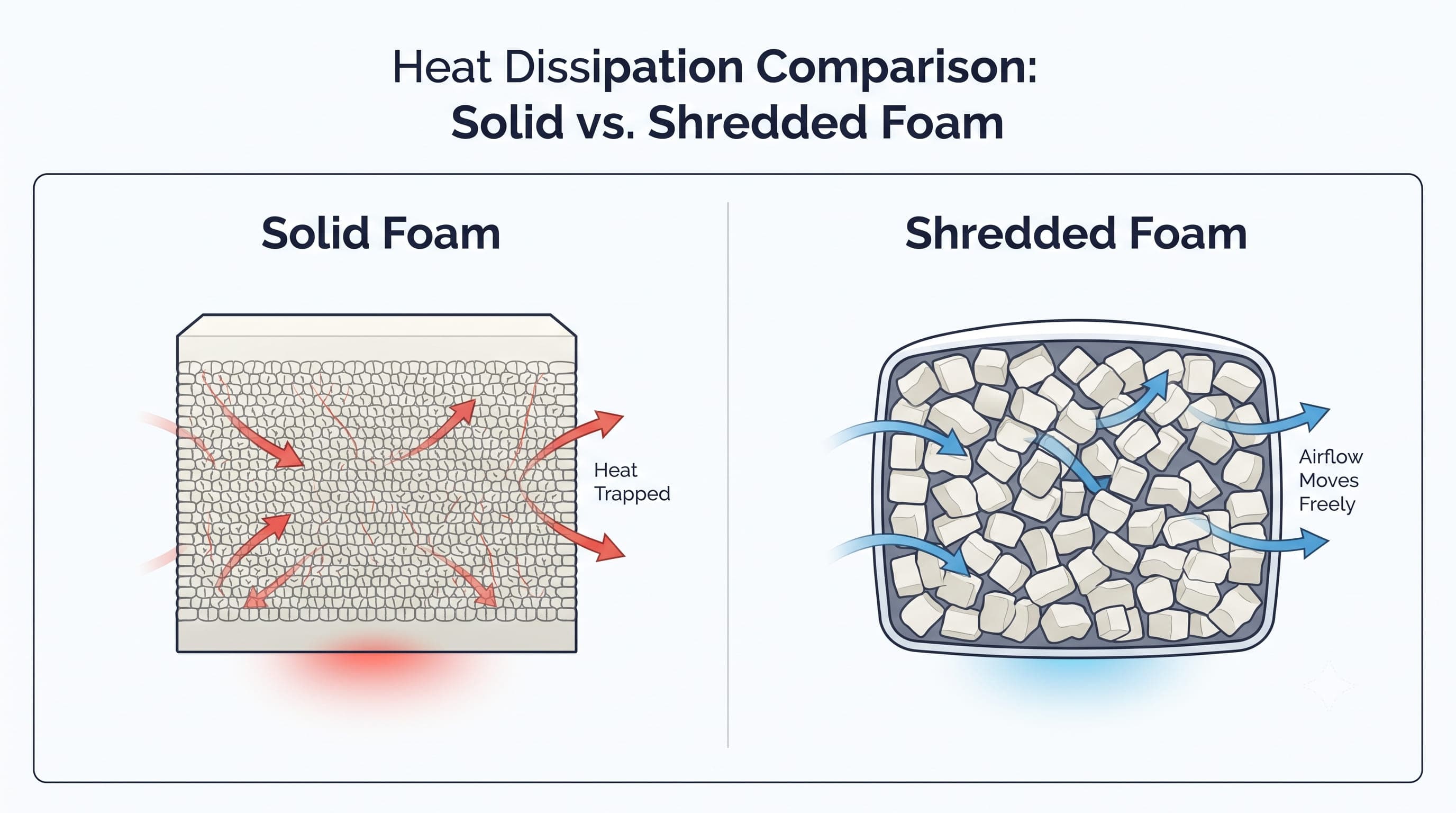
Solid memory foam gives a uniform, supportive surface, but it tends to hold heat because air moves through it slowly. It also tends to stay at one height, which is a problem if you change position during the night.
Shredded memory foam is made of small foam pieces inside a cover. It breathes better, and you can usually adjust the loft by adding or removing fill. The trade-off is that the surface is less uniform, and the fill can shift over time, so it may need occasional fluffing or refilling.
Heat, Cooling, and the Cover
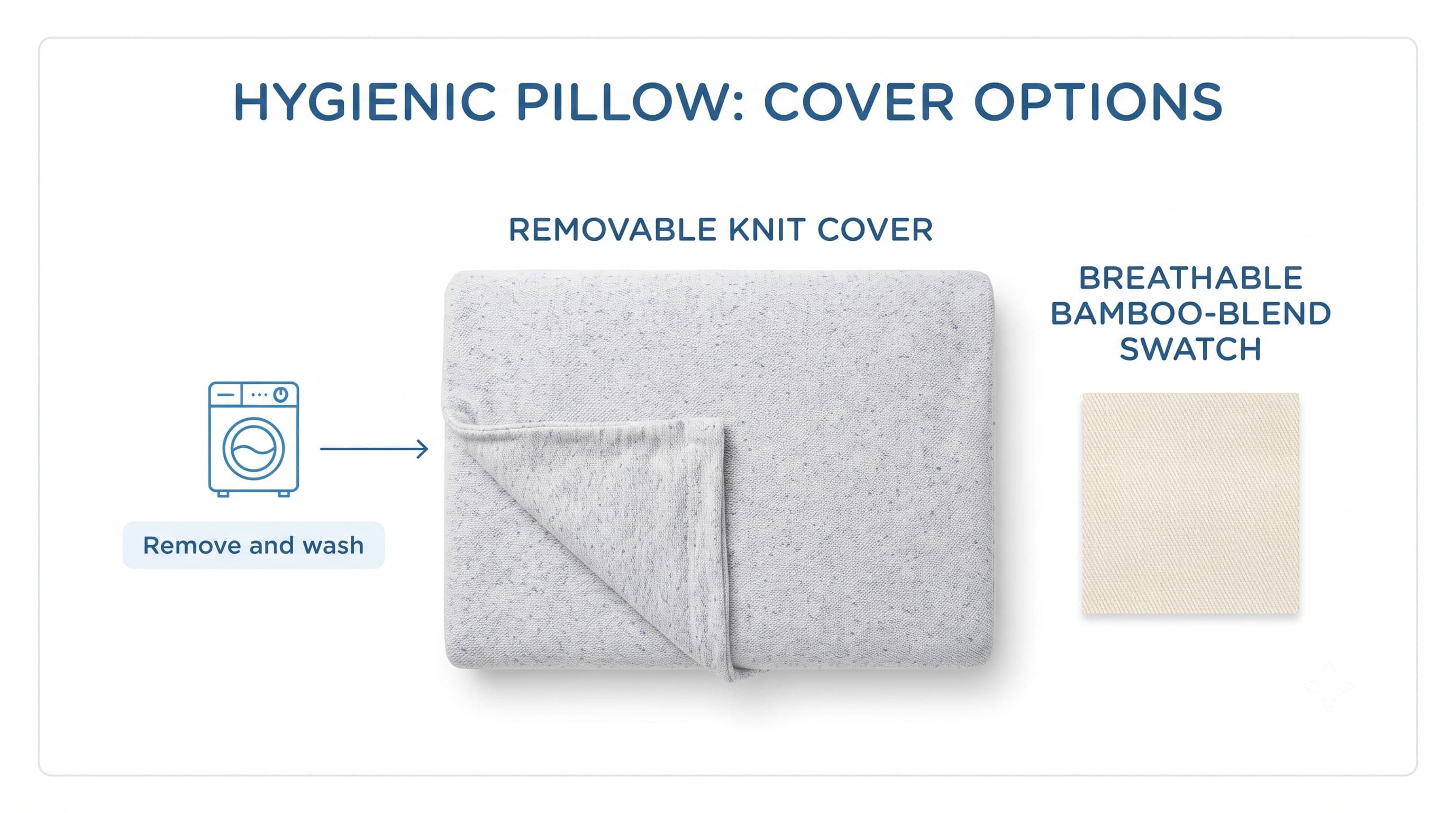
Memory foam retains heat more than most fills. Gel-infused foam and open-cell designs try to move heat away from the head, but the benefit varies by product, so treat cooling claims as something to verify in reviews rather than something to assume. The cover matters as much as the core. A breathable knit or bamboo-blend cover feels cooler against the skin, and a removable, machine-washable cover makes care much easier. Our pillow washing and replacement guide covers care by fill type.
Certifications and Materials
CertiPUR-US certification is a useful signal that the foam meets standards for content, emissions, and durability. It does not measure comfort, and it does not mean a pillow will suit your neck. Read the product's stated foam type and any certification on the listing, and compare them to the specs in our reviews. If you are considering a natural alternative, our latex pillow guide and CertiPUR-US explainer cover the differences.
Trial Period and Warranty
Trial windows and warranties vary a lot across brands, and they matter more with foam because you may not know how a pillow feels until it has settled for a week or two. Check whether the trial covers returns or only exchanges, who pays return shipping, and whether the warranty covers sagging or only defects. Read the policy before you buy.
Memory Foam Pillows We Have Reviewed
These are the memory foam pillows we have published full reviews for. Each review covers fit, fill, cover, and the trade-offs, so use them to compare against the criteria above:
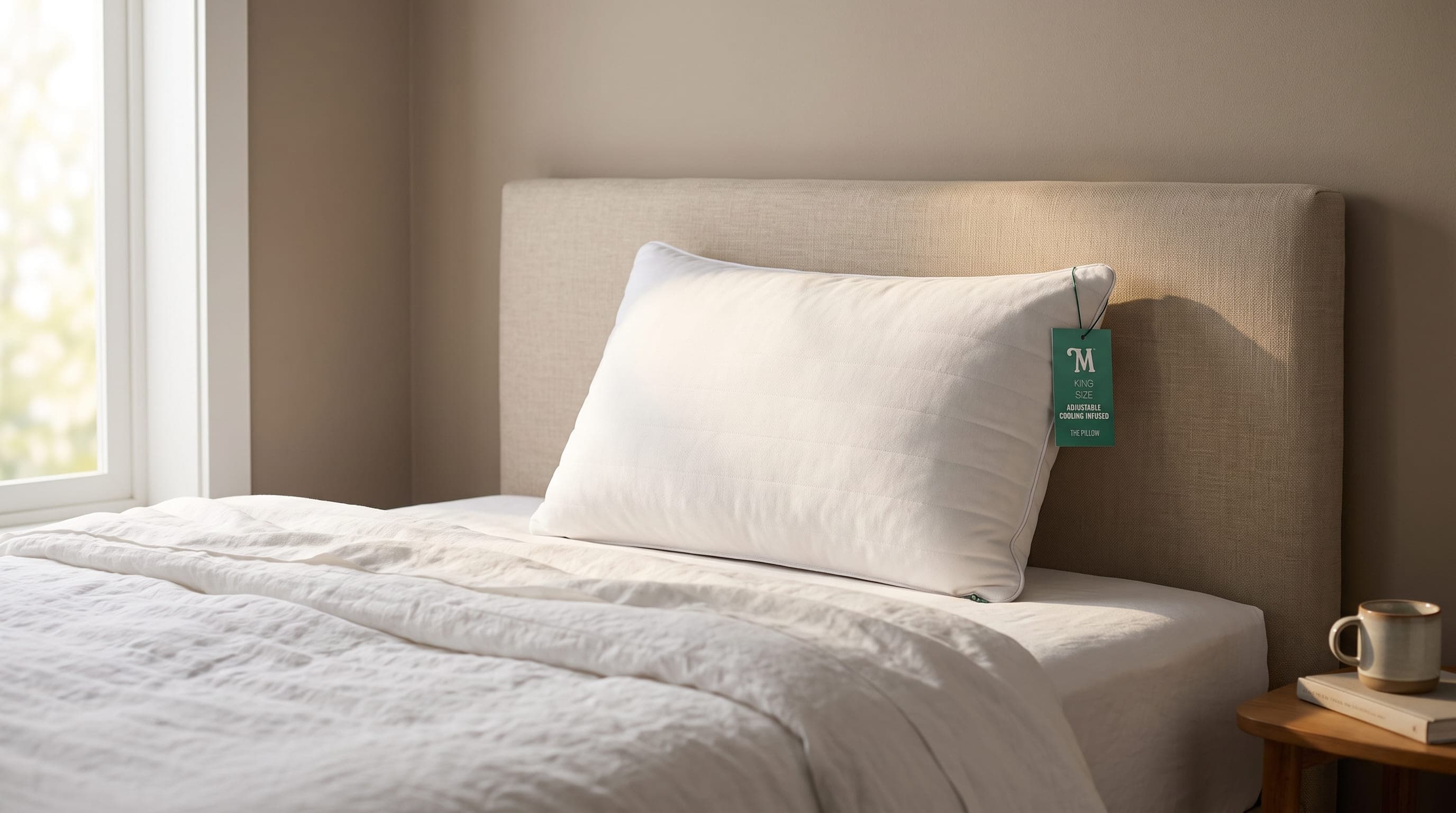
- Marlow Adjustable Memory Foam Pillow: a shredded, adjustable fill that lets you change the loft.
- Weekender Cooling Gel Memory Foam Pillow: a gel-infused option aimed at sleepers who run warm.
Who Should Buy What
- Side sleepers: Prioritize loft and firmness, and consider an adjustable shredded fill if your shoulder width varies or you change position.
- Back sleepers: Look for medium loft with a contoured or moderately firm feel.
- Hot sleepers: Choose shredded fill, a breathable cover, or a gel-infused core, and be realistic about how much cooling any foam can deliver.
- Anyone with ongoing neck pain: A pillow can help with alignment, but persistent pain should be assessed by a healthcare professional.
The Bottom Line
Start with your sleep position, then choose the loft and foam type that fits it. Decide how much heat you can tolerate, check the cover and certifications, and confirm the trial and warranty before you commit. Use the reviews linked above to compare specific models once you know which criteria matter most to you.