








How to choose a pillow that fits you
A pillow has one job: keep your head and neck in line with your spine. The right height (loft) depends mostly on how you sleep and how firm your mattress is, so the best pillow for one person can cause neck pain for another.
Match loft to your sleep position
Side sleepers need the highest loft to fill the gap between shoulder and ear — usually a firm pillow around 4–6 inches. Back sleepers need a medium loft that supports the curve of the neck without pushing the chin forward. Stomach sleepers need the thinnest, softest pillow, or none at all, to avoid twisting the neck upward.
See our picks for side sleepers and back sleepers.
Factor in your mattress
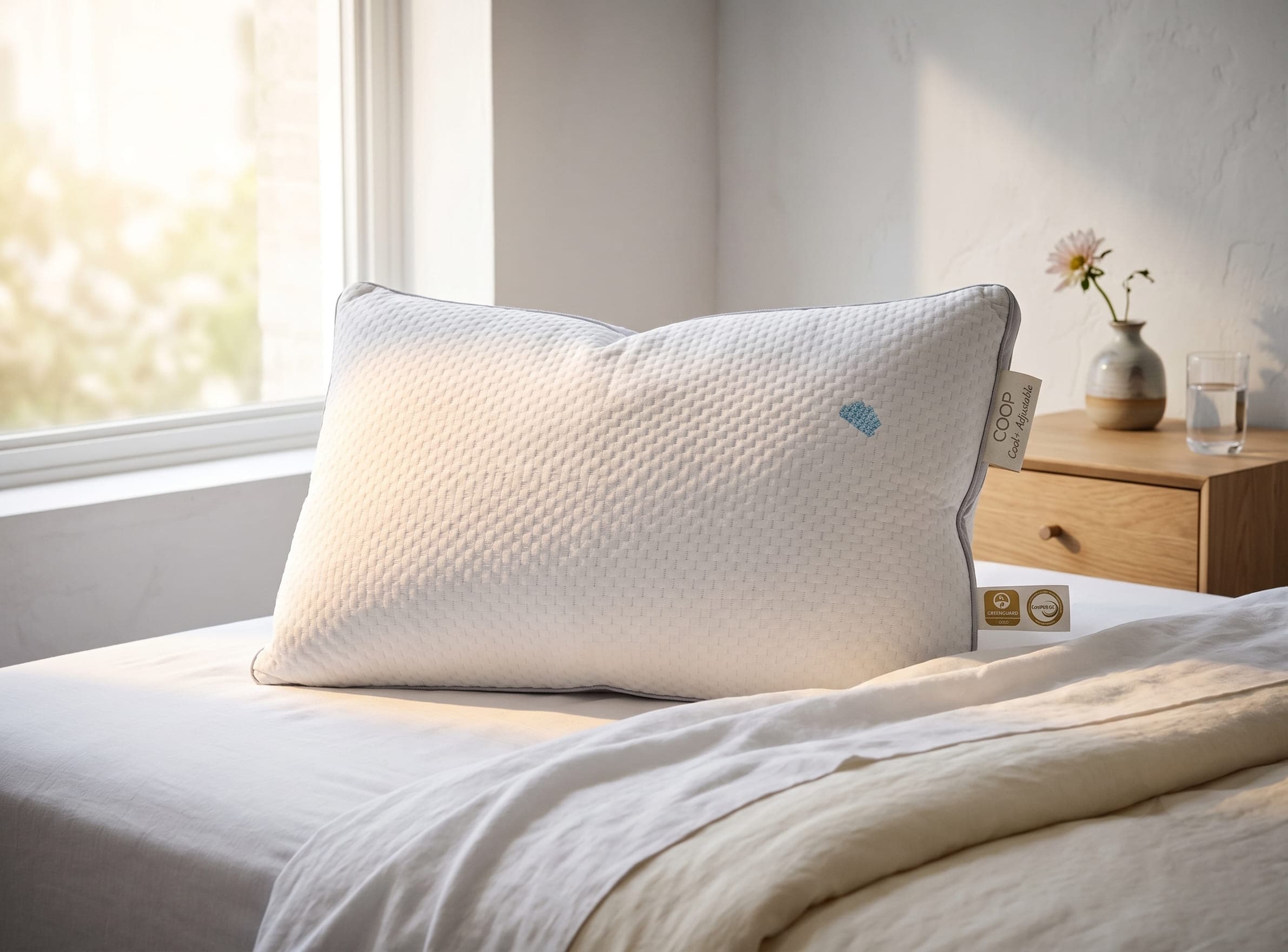
On a soft mattress your shoulder sinks further, so you need a slightly lower pillow; on a firm mattress you need a little more height. If you are not sure, an adjustable pillow with removable fill lets you fine-tune the loft at home.
Pick a fill
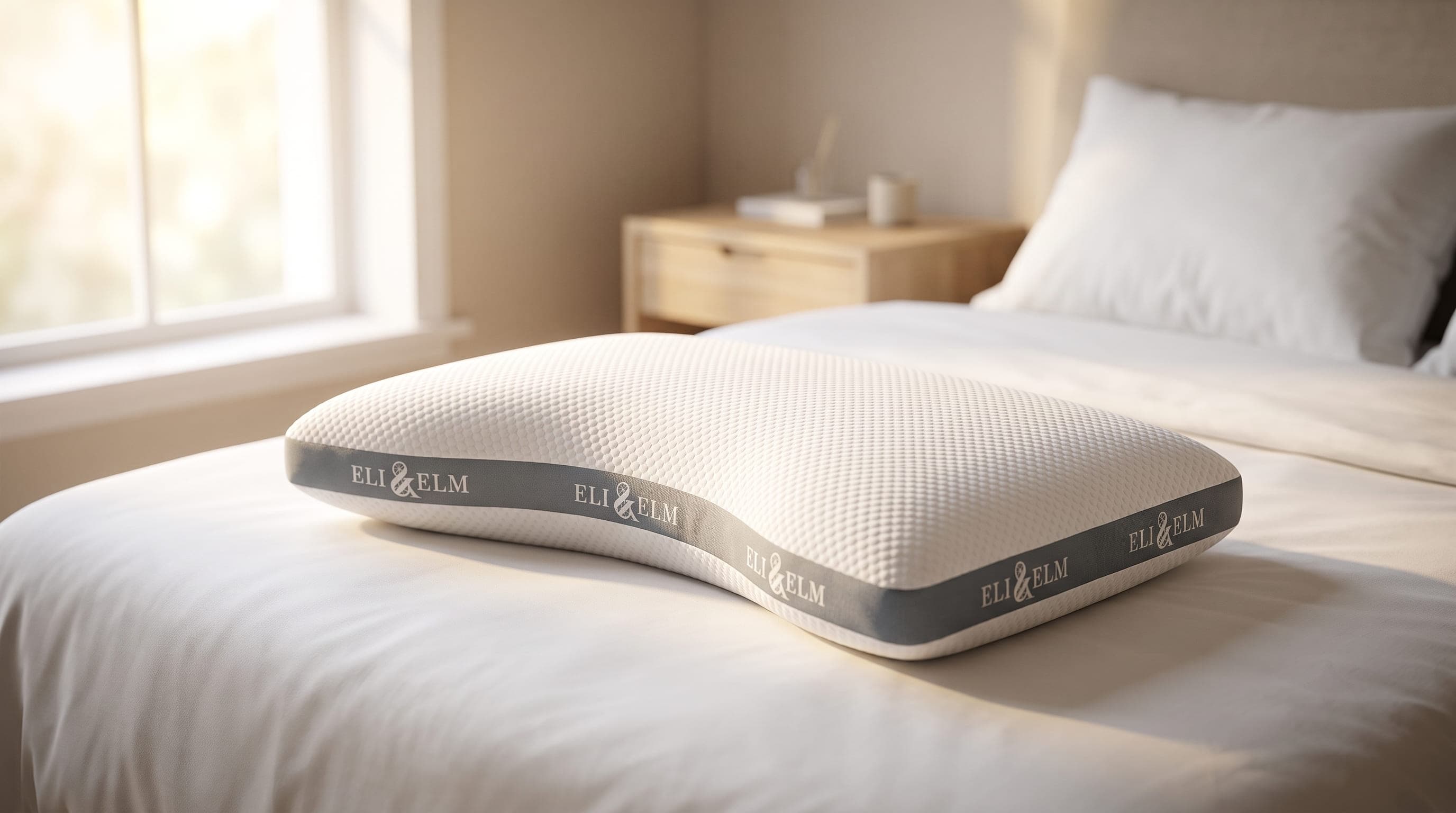
Memory foam holds its shape and gives steady support. Shredded foam is adjustable and more breathable. Latex is springy, cool and durable — see our latex pillow guide. Down and down-alternative feel soft and squishable but flatten faster. If you wake up with a stiff neck, start with our best pillows for neck pain; if you run warm, see cooling pillows.
Care and replacement
Most pillows need replacing every one to three years. Fold it in half: if it stays folded, it has lost its support. Washable covers and fills make a big difference to hygiene — our guide to washing and replacing a pillow covers each material.