King vs Queen Mattress: 2026
King vs Queen mattress: dimensions, price, room size requirements, bedding costs & who each size suits best. Make the right choice before you buy in 2026.
It sounds like a simple question: do you want the bigger bed or the smaller one? But the king vs queen decision is actually one of the most consequential choices in any bedroom — it affects your sleep quality, your room layout, your budget, your relationship, and even your future moving costs.
Most people default to bigger is better. And sometimes that is correct. But a king mattress in the wrong room creates a space so cramped it defeats the purpose of having a large bed. A queen in the right room, for the right couple, delivers everything they need at a meaningfully lower cost.
This guide gives you the complete picture — exact dimensions, room requirements, price differences, and a clear decision framework so you buy the right size the first time.
The Key Numbers: Dimensions at a Glance
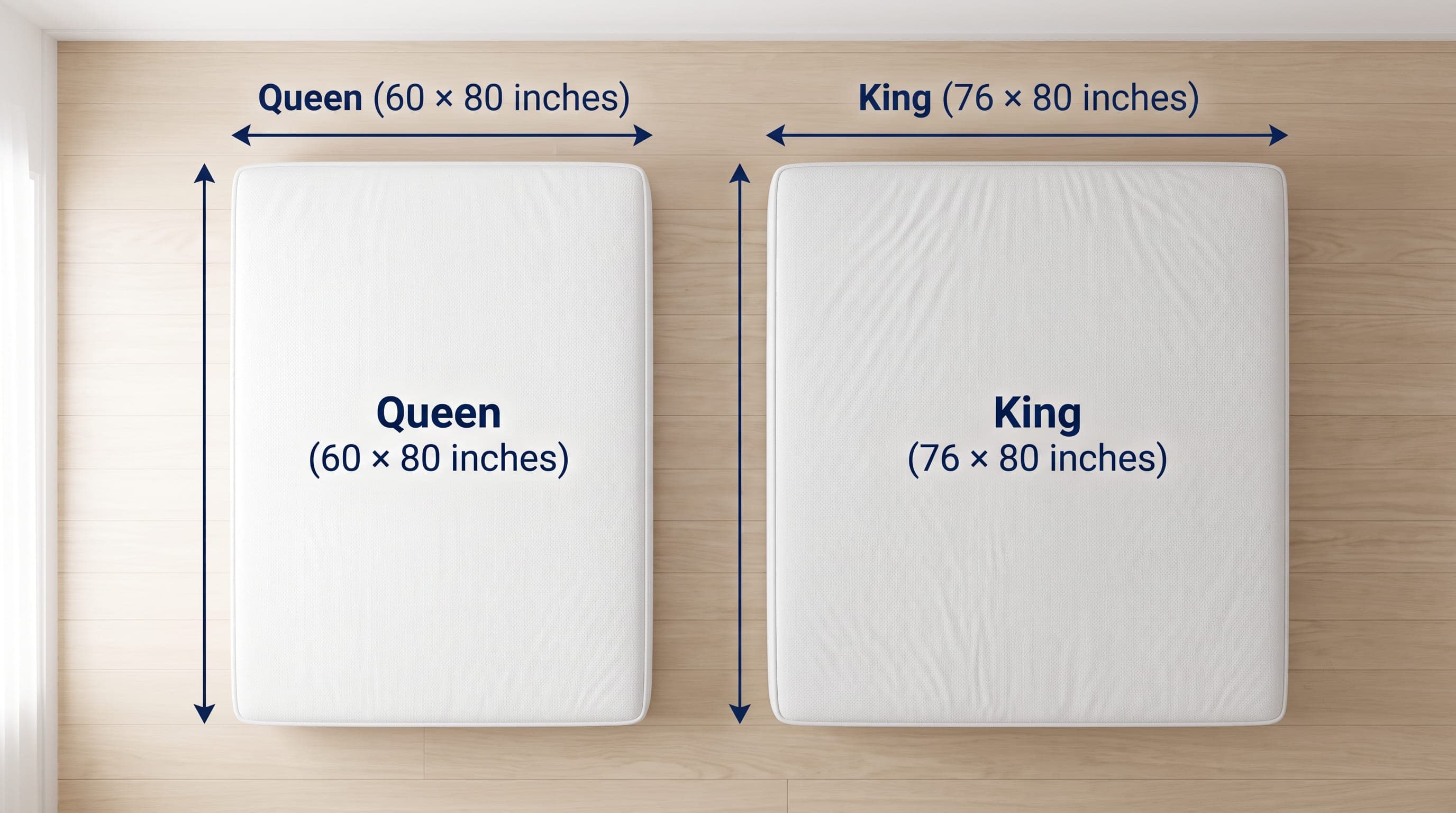
Before anything else, here are the exact dimensions you need:
| Size | Width | Length | Surface Area |
|---|---|---|---|
| Queen | 60 inches | 80 inches | 4,800 sq in |
| Standard King | 76 inches | 80 inches | 6,080 sq in |
| California King | 72 inches | 84 inches | 6,048 sq in |
| Split King | 76 inches (2 × 38") | 80 inches | 6,080 sq in |
The most important number: a Standard King is 16 inches wider than a Queen — that is the width of a full-size pillow. Per person sharing the bed, a king gives each partner 38 inches of sleeping width versus 30 inches on a queen. Those 8 extra inches per person make a significant difference to how crowded you feel overnight.
The length is identical for Queen and Standard King — both are 80 inches. If you or your partner are taller than 6'3", a California King at 84 inches long is worth considering, though it is 4 inches narrower than a Standard King.
Who Should Choose a Queen
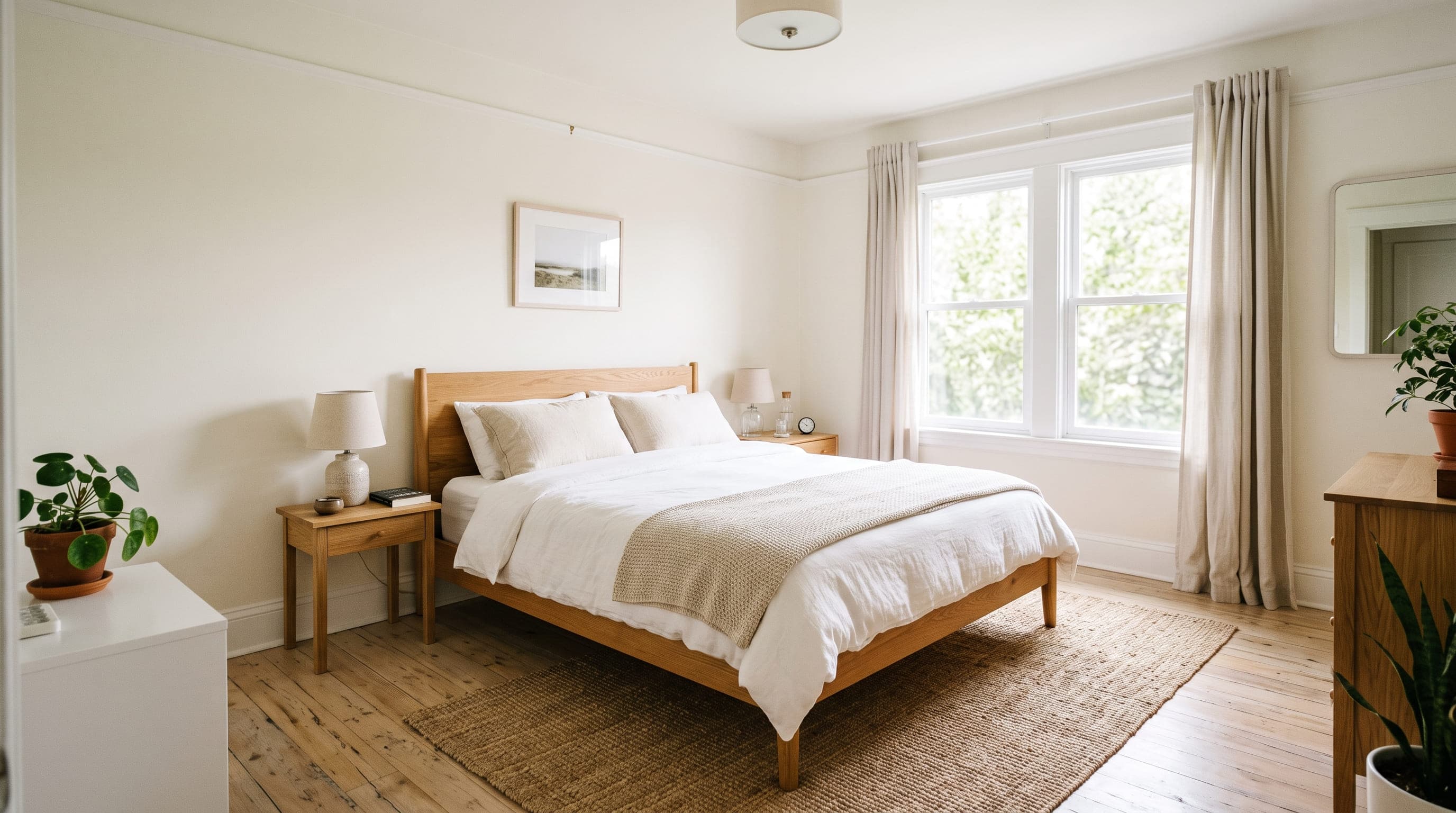
A queen mattress is the right choice far more often than people think — including for couples. Here is who genuinely benefits from choosing queen over king:
Solo Sleepers Who Want Comfortable Space
A 60-inch width gives a solo sleeper 60 full inches to themselves — more than enough to sleep diagonally, stretch out, or share with a pet. The queen is the largest size that makes sense for a single adult in most bedroom configurations.
Couples in Apartments or Smaller Bedrooms
A queen requires a minimum room size of 10 × 10 feet — though 10 × 12 feet gives you comfortable walkway clearance on all sides. If your bedroom is smaller than 10 × 10, a queen will leave inadequate walking space around the bed and make the room feel claustrophobic. The same rule applies upward: if your bedroom is smaller than the 10 × 12 recommended minimum for a king, the queen is the right choice regardless of your preference for more space.
Budget-Conscious Buyers
Queen mattresses cost meaningfully less than kings across every brand and category. The material difference is real — a king uses 27% more material than a queen. In practice, expect to pay $100–$400 more for a king versus a queen in the same model, depending on the brand and construction. Bedding costs more on a king too — king sheets, king duvets, and king pillowcases all carry a size premium.
Guest Bedrooms
A queen is the standard guest bedroom size for a reason. It accommodates a single guest comfortably and a couple adequately. Few guest rooms are large enough for a king, and the cost difference is better spent on mattress quality than size.
Light Sleepers Who Move Independently
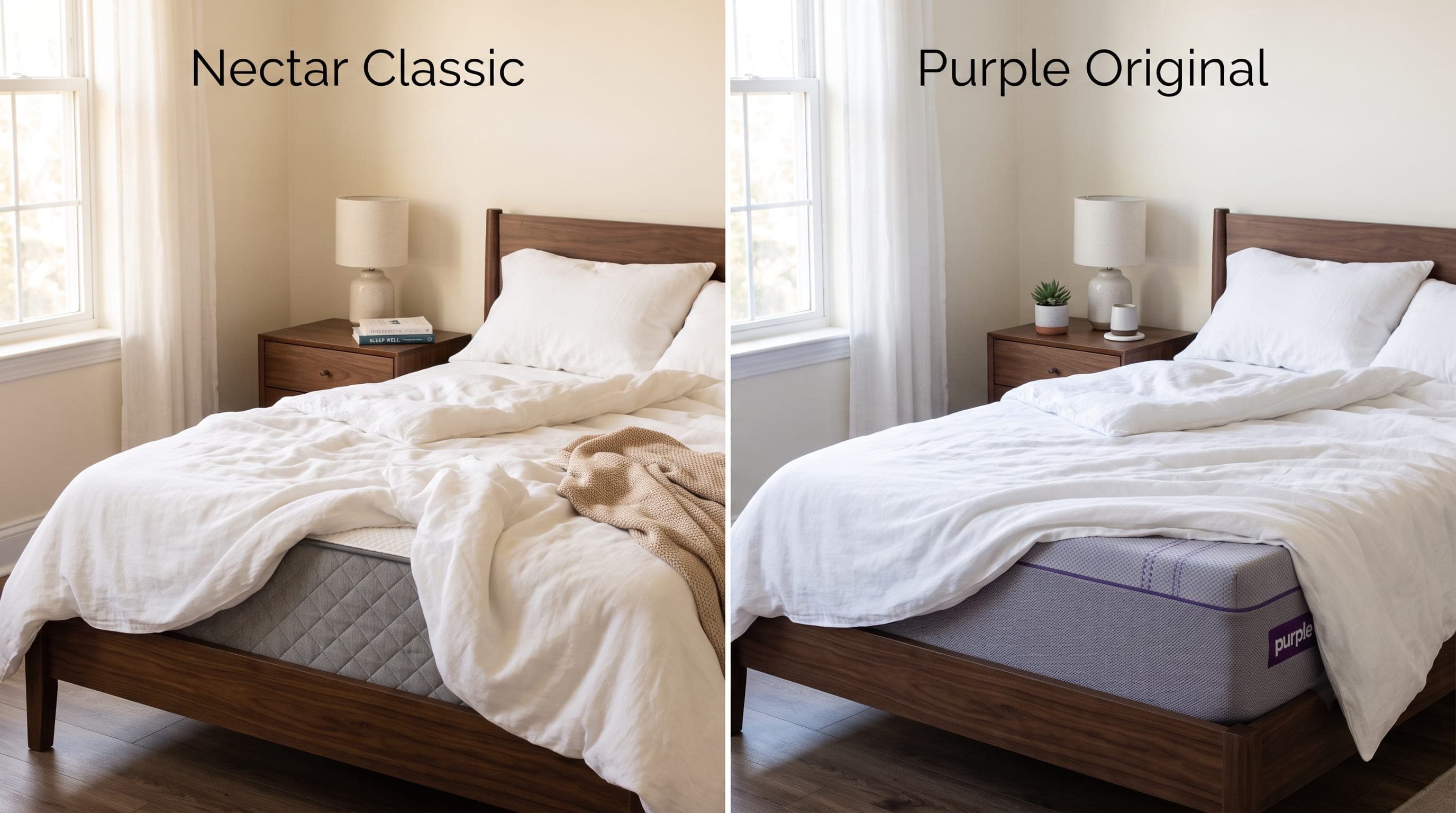
Couples on a queen actually sleep closer together — if you are light sleepers who are disrupted by each other's movement, the smaller distance on a queen means a single-motion topper or a hybrid with strong motion isolation is more important. The DreamCloud Classic or Nectar Classic both perform well here — see our Best Queen Mattress Under $800 guide.
Who Should Choose a King
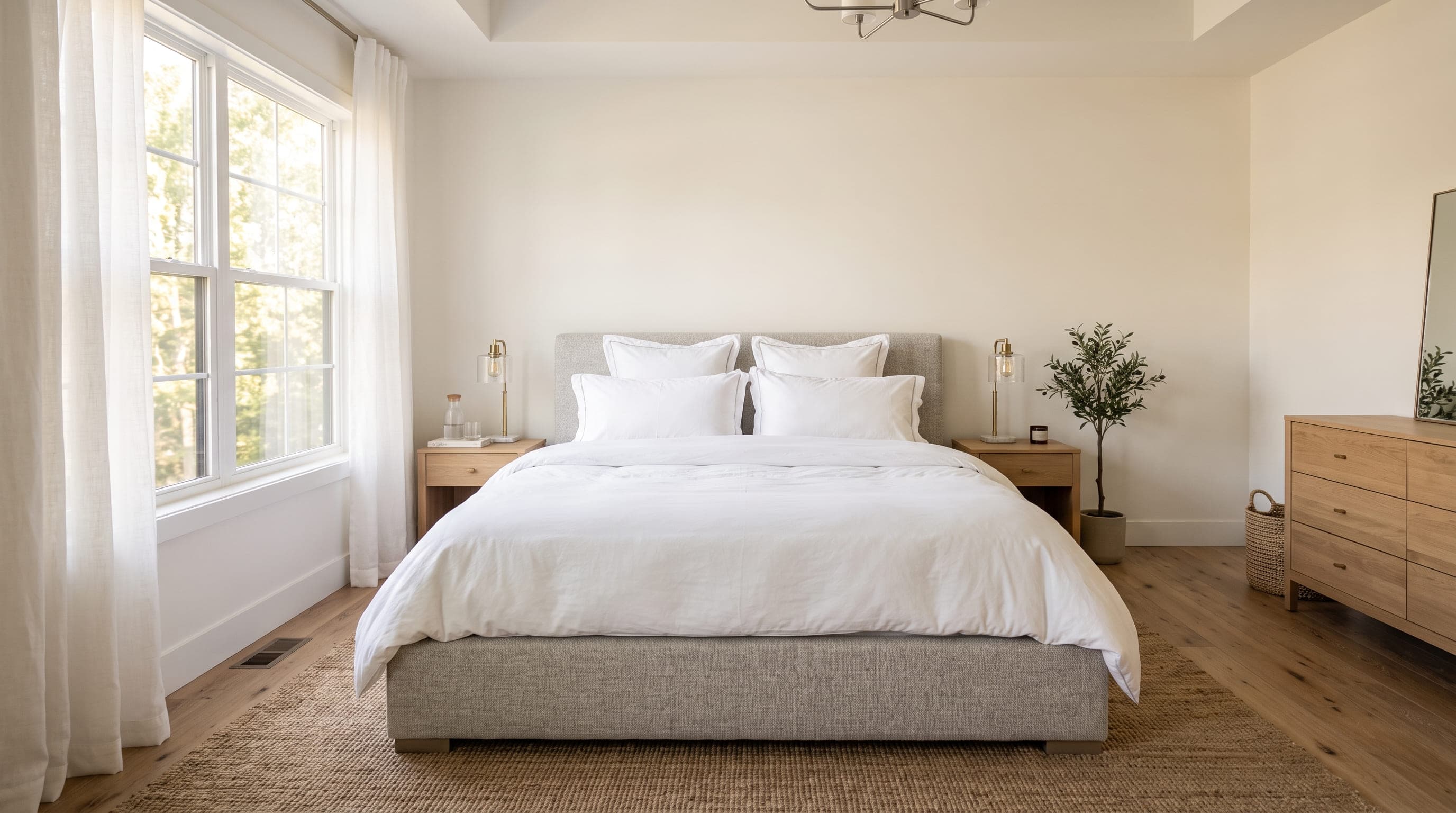
A king mattress justifies its cost and footprint in specific, clearly defined situations. If any of the following apply to you, the king is likely the right call:
Couples Who Value Personal Sleep Space
The 16 extra inches of total width — 8 per person — is the king's primary argument. For couples where one or both partners are restless sleepers, move frequently at night, or simply prefer not to feel their partner's proximity while sleeping, the king provides genuine sleep separation that a queen cannot match.
If you have ever felt crowded on a queen with a partner, the king solves it.
Families With Children or Pets in the Bed
Children who crawl into the parental bed at night, or pets who claim significant mattress territory, can make a queen genuinely crowded for two adults. A king provides the additional width to accommodate an occasional third occupant without displacing either adult to the edge.
Taller Sleepers (6'3" or Above)
Both queen and standard king share the same 80-inch length. For sleepers taller than 6'3", neither is ideal — but the California King at 84 inches is the solution. If your primary need is length rather than width, the California King is worth the trade-off of 4 inches less width than a standard king.
Couples With Different Sleep Schedules
If one partner goes to bed significantly earlier or later than the other, the king's extra width reduces disturbance from late-night entry and exit. Combined with a mattress with strong motion isolation, this can make a meaningful difference to the earlier-sleeping partner's rest.
Large Master Bedrooms (12 × 12 or Larger)
If your bedroom comfortably exceeds 12 × 12 feet with room to spare, a queen may look undersized relative to the space. A room this large typically has the architectural proportions that make a king feel correctly scaled. Putting a queen in a very large master can make the room feel mismatched.
Room Size Requirements
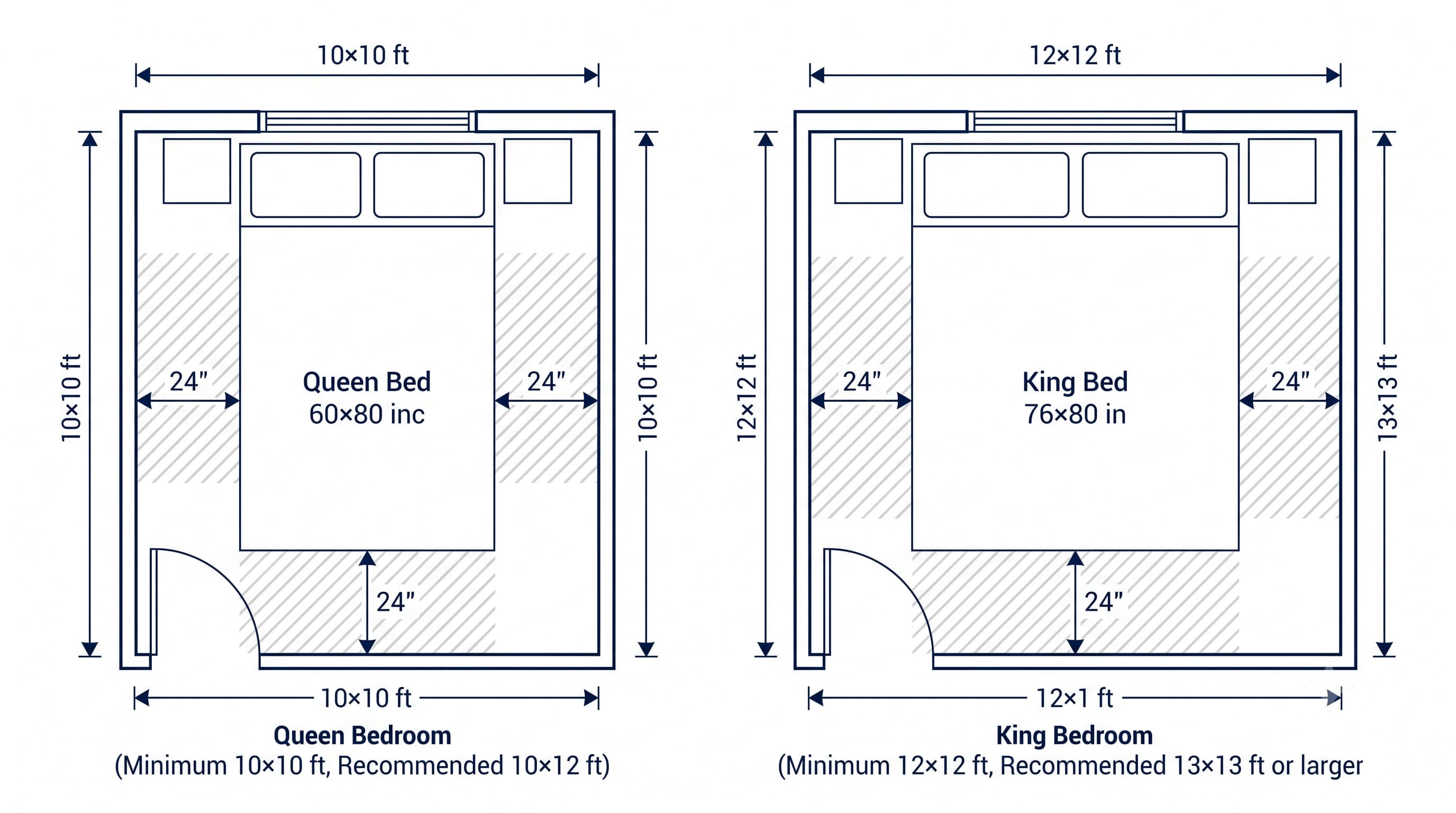
This is the most practical section of this guide — because the right mattress size is often determined by your room before anything else.
The minimum walkway clearance you need around any bed is 24 inches. Below 24 inches, the room feels cramped and navigating around the bed becomes awkward. 30 inches or more is comfortable; 36 inches is generous.
Queen Size Room Requirements
| Scenario | Minimum Room Size |
|---|---|
| Queen only (bare minimum) | 10 × 10 ft |
| Queen + two nightstands | 10 × 12 ft |
| Queen + nightstands + dresser | 12 × 12 ft |
A 10 × 10 room with a queen leaves approximately 25 inches of clearance on each side — workable but not generous. A 10 × 12 room is the comfortable standard, giving 25 inches on the sides and more at the foot. If your room is smaller than 10 × 10, consider a full/double (54 × 75 inches) instead.
King Size Room Requirements
| Scenario | Minimum Room Size |
|---|---|
| King only (bare minimum) | 12 × 12 ft |
| King + two nightstands | 13 × 13 ft |
| King + nightstands + dresser | 14 × 14 ft or larger |
A king in a 12 × 12 room leaves approximately 20 inches on each side — technically passable but noticeably tight. The recommended minimum for a king with furniture is 13 × 13 feet. Most master bedrooms in homes built after 1990 meet this requirement; smaller apartments and older homes often do not.
Before committing to a king: Tape out the king dimensions (76 × 80 inches) on your bedroom floor with painter's tape and live with it for a day. The visual reality of how much floor space it occupies is more informative than any measurement on paper.
Price Comparison: King vs Queen
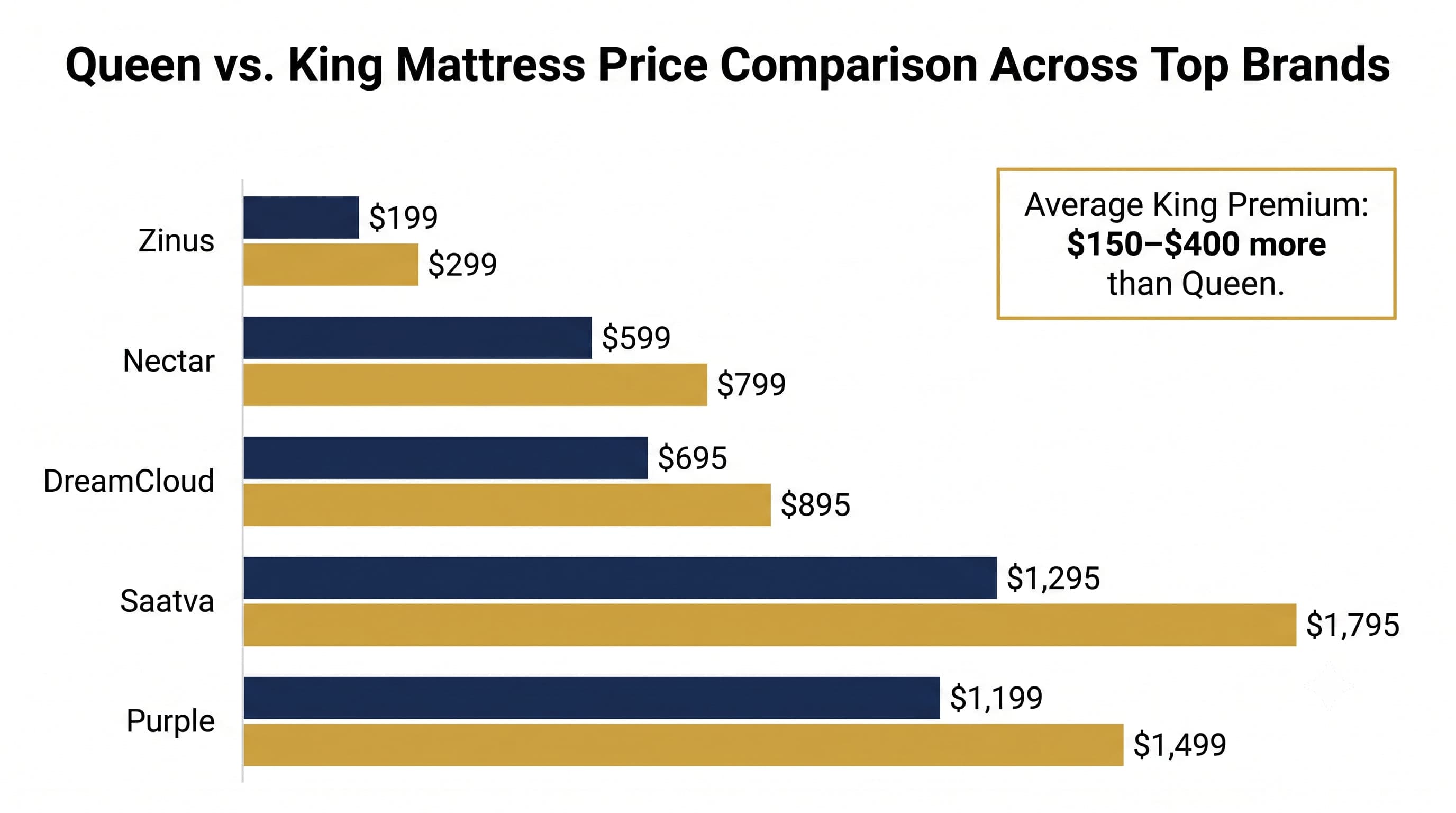
Across every mattress brand and construction type, kings cost more than queens. The price gap varies by brand but follows a consistent pattern:
| Brand / Model | Queen Price | King Price | Difference |
|---|---|---|---|
| Zinus Green Tea | ~$279–$299 | ~$379–$399 | +$100 |
| Nectar Classic | ~$679–$699 | ~$879–$899 | +$200 |
| DreamCloud Classic | ~$649–$699 | ~$849–$899 | +$200 |
| Saatva Classic | ~$1,295 | ~$1,795 | +$500 |
| Purple Original | ~$1,549–$1,599 | ~$1,849–$1,899 | +$300 |
The full cost of going king goes beyond the mattress. Factor in:
- King sheets: $20–$80 more than queen sheets per set
- King duvet/comforter: $30–$100 more than queen size
- King pillowcases: Standard king pillows (20 × 36") cost more than queen (20 × 30")
- Bed frame: King frames cost $50–$200 more than queen equivalents
- Moving costs: A king mattress is significantly harder and more expensive to move — relevant if you rent and move frequently
Over a 10-year mattress lifespan, the total premium for choosing king over queen (mattress + bedding + frame) typically ranges from $500 to $1,500 depending on the brands you choose. That is worth knowing before you decide.
Standard King vs California King vs Split King
Once you decide on king size, there is a second decision: which king?
Standard King (76 × 80 inches)
The most common king configuration. Best for couples who want maximum shared sleeping width. Standard bed frames, sheets, and bedding all fit. The right choice for most people who want a king.
California King (72 × 84 inches)
Four inches narrower than a standard king but four inches longer. Worth it only if at least one partner is taller than 6'3" and regularly feels their feet hitting the end of the bed. If height is not a concern, the standard king's extra 4 inches of width per person is more valuable than the California King's extra length.
Note: California King bedding is not interchangeable with standard king bedding — they require separate sheet sets.
Split King (2 × Twin XL, 76 × 80 inches total)
Two separate Twin XL mattresses (38 × 80 inches each) placed side by side in a king-size frame. The primary use case is adjustable bases — each side adjusts independently, so one partner can raise their head while the other lies flat. Also useful for couples with dramatically different firmness preferences who want individual mattress selection.
The trade-off: a gap or ridge can develop between the two mattresses. A split king bridge pad helps but does not fully eliminate the seam. If you and your partner share the centre of the bed, the seam is noticeable.
For a complete breakdown of every mattress size sold today — including Twin, Full, Short Queen, and RV-specific sizing — see our full Mattress Size Chart Guide.
King vs Queen: Head-to-Head Decision Guide
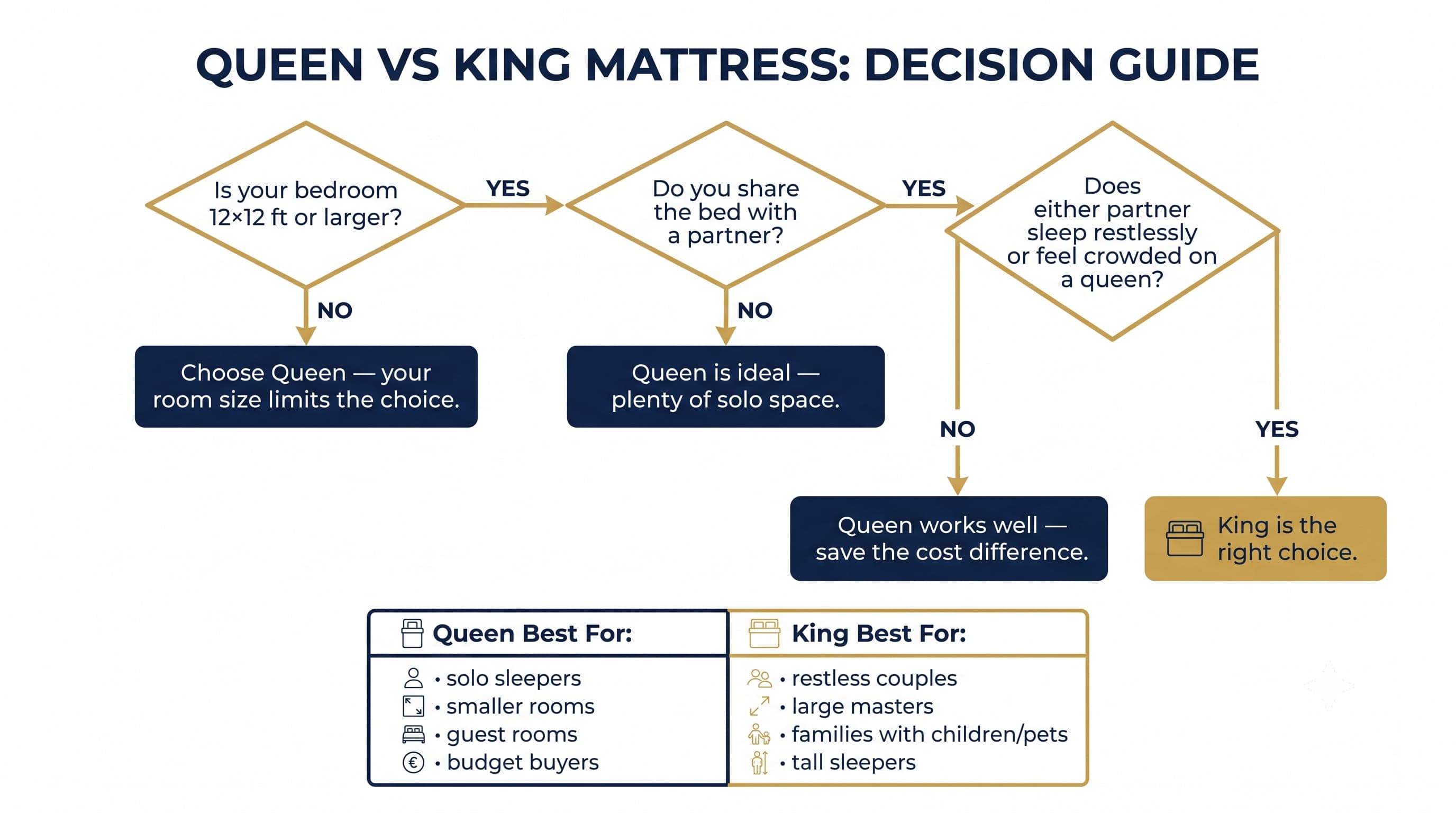
Still not sure? Run through these questions in order:
1. Does your bedroom meet the minimum room size?
- If your bedroom is under 12 × 12 feet: choose queen. A king will leave inadequate clearance regardless of preference.
- If your bedroom is 12 × 12 or larger: continue to question 2.
2. Are you sleeping alone?
- Solo sleeper: choose queen. A full 60 inches to yourself is more than enough space. The king premium is not justified for a single adult.
- Sharing with a partner: continue to question 3.
3. Has either of you ever felt crowded on a queen (or a double)?
- Neither of you has felt crowded: queen is fine — save the price difference and invest it in a better mattress quality.
- One or both of you regularly feels crowded, touched, or disturbed by the other: choose king.
4. Do children or pets regularly join you?
- Yes, regularly: choose king. A queen with two adults plus an occasional small child or pet becomes genuinely crowded.
- No, never: the extra width of a king is solving a problem you do not have.
5. Is budget a significant constraint?
- Yes, stretching to buy this mattress: choose queen and spend the $200–$500 difference on a higher-quality queen mattress. A better mattress in queen will serve you better than a lesser mattress in king.
- Budget is comfortable: both sizes are viable — let room size and personal space preference decide.
Bedding and Frame Costs: What You Need to Know Before Buying
Many buyers focus entirely on the mattress price and overlook the accessory costs that come with it. Here is a realistic total cost comparison:
| Item | Queen Cost (Approx) | King Cost (Approx) | King Premium |
|---|---|---|---|
| Mattress (mid-range) | $600–$900 | $800–$1,200 | +$200 |
| Fitted sheet set | $40–$80 | $60–$120 | +$20–$40 |
| Duvet / comforter | $60–$150 | $80–$200 | +$20–$50 |
| Bed frame | $150–$400 | $200–$600 | +$50–$200 |
| Pillowcases (king needs king pillows) | — | +$20–$60 extra | +$20–$60 |
| Total 10-year premium | — | — | ~$300–$550 |
The bedding premium compounds if you buy multiple sets, as most households do. Factor in 2–3 sets of sheets, spare pillowcases, and a backup duvet, and the king premium grows meaningfully over the mattress's lifespan.
Frequently Asked Questions
Is a king mattress worth it for two people?
For couples who feel crowded on a queen or who have different sleep schedules or movement patterns, yes — the 8 extra inches per person makes a real difference to sleep quality and partner disturbance. For couples who sleep well on a queen and have a room that does not comfortably accommodate a king, the upgrade is not worth the cost. Start by asking whether you have felt crowded on a queen before making the decision.
Can a queen mattress fit two adults comfortably?
Yes — a queen gives each adult 30 inches of sleeping width, which is comfortable for most adults. The average shoulder width of an adult is 18–20 inches, leaving 10 inches of clearance per person. For couples who sleep without much movement and do not tend to spread out, a queen is perfectly comfortable.
What room size do I need for a king bed?
The practical minimum is 12 × 12 feet to maintain 24 inches of clearance on each side. The comfortable recommendation is 13 × 13 feet or larger, particularly if you need space for nightstands, a dresser, or a wardrobe. Use painter's tape to mark out 76 × 80 inches on your actual floor before committing.
Is a California King bigger than a Standard King?
In surface area, no — a California King (72 × 84 inches = 6,048 sq in) is slightly smaller than a Standard King (76 × 80 inches = 6,080 sq in). The California King is longer and narrower. Choose California King only if height (over 6'3") is the primary need. For width-focused space, the Standard King is the better choice.
Should I get a king or queen for a guest room?
Queen is the standard choice for guest bedrooms. It comfortably accommodates a single guest and adequately fits a couple. Most guest rooms are not large enough for a king, and the cost difference is better spent on mattress quality. A high-quality queen guest mattress serves visitors better than a low-quality king.
How much more expensive is a king than a queen?
Across most brands, the mattress itself costs $100–$500 more in king than the equivalent queen model. Add bedding, frame, and accessories over the mattress lifespan, and the total premium of choosing king over queen typically ranges from $500 to $1,500 over 10 years.
Do queen and king use the same bed frame?
No — queen and king frames are different sizes and not interchangeable. A king mattress requires a king-specific frame (76 inches wide). Most king frames require a centre support leg for a queen or king to prevent mattress sagging. Verify frame compatibility before purchasing, especially if you are reusing an existing frame.
What is the best mattress size for a couple?
For most couples in a standard master bedroom (12 × 12 or larger), a king provides the best sleep quality. For couples in apartments or smaller rooms (under 12 × 12), a high-quality queen is the better investment — spend the size premium on a better mattress instead. For specific queen recommendations, see our Best Queen Mattress Under $800 guide. For topper options that improve comfort on either size, see our Best Mattress Topper Guide 2026.
Dr. Sarah Mitchell is a sleep health researcher and certified sleep science coach at Mattress Guide Pro. She has evaluated mattress sizing, room compatibility, and sleep ergonomics across hundreds of bedroom configurations.
Ready to shop? Browse our expert mattress reviews to find your perfect match.