Best Latex Pillow Guide: 2026
Best latex pillow guide 2026: Dunlop vs Talalay, solid vs shredded fill, certifications to check, and our top-tested pick with real lab data.
Latex pillows occupy a strange spot in most buying guides — mentioned briefly as an alternative to memory foam, rarely explained in enough detail to actually help you decide if one is right for you. That's a gap worth closing, because latex behaves fundamentally differently from every other common pillow fill, and understanding that difference matters more than any single product recommendation.
This guide covers what a latex pillow actually is, the real distinction between Dunlop and Talalay processing, solid versus shredded construction, which certifications are worth checking, and how to match loft to your sleep position — with our own lab-tested pick woven in where it's relevant, not as the whole point of the guide.
What Is a Latex Pillow, Actually?
A latex pillow uses foam derived from the sap of the Hevea brasiliensis rubber tree (natural latex), a synthesized petrochemical equivalent (synthetic latex), or a blend of both, as its primary fill material — either as a single solid core or as shredded pieces packed into a cover.
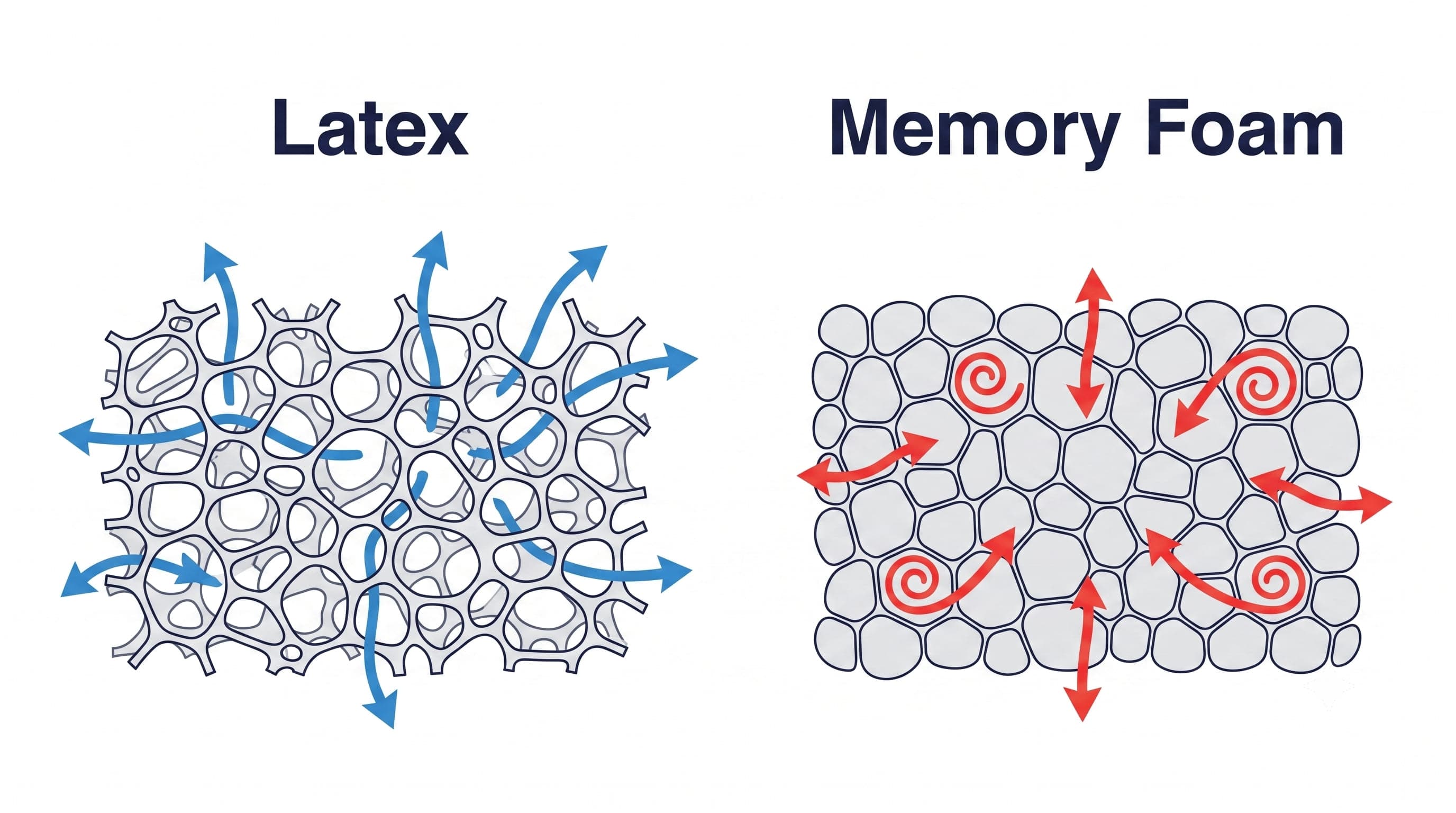
What separates latex from memory foam or down alternative fill is its open-cell structure. Rather than trapping air and heat the way memory foam's closed cells do, latex has interconnected air channels running through the material, allowing continuous airflow as you move and the foam compresses and releases. This single structural difference explains nearly everything about how a latex pillow feels and performs compared to the alternatives.
The other defining trait is responsiveness. Memory foam conforms slowly, softening under body heat and pressure over 30–60 seconds before holding that shape. Latex compresses and rebounds almost instantly — there's no lag between moving your head and the pillow reforming around the new position. This is why latex is often described as feeling "buoyant" rather than "cradling."
Dunlop vs. Talalay: The Manufacturing Difference That Actually Matters
Nearly every natural latex pillow uses one of two manufacturing processes, and the difference between them shows up directly in how the pillow feels.
Dunlop Latex
Dunlop is the older, simpler process: liquid latex is poured into a mold, allowed to settle, and then vulcanized (cured with heat). Because the mixture settles before curing, heavier particles sink toward the bottom, creating a slightly denser base with a somewhat firmer, more uniform feel throughout. Dunlop latex is generally more affordable and slightly more durable than Talalay, which is why it's common in support cores and firmer pillow options.
Talalay Latex
Talalay adds two extra steps: after the mold is partially filled, it's vacuum-sealed (causing the latex to expand and fill the mold evenly) and then flash-frozen before vulcanization. The result is a more consistent, uniform cell structure with finer, more evenly distributed air channels — producing a softer, more buoyant feel than Dunlop at the same firmness rating. Talalay is the more common choice for pillows specifically, since the softer, more consistent feel suits head and neck support better than Dunlop's denser base-layer character.
Which One Should You Choose?
For a pillow specifically (as opposed to a mattress core), Talalay is generally the better fit for most sleepers — the more uniform, buoyant feel is closer to what people expect from a comfort-layer material. Dunlop is worth considering if you specifically want a firmer, more structured feel, or if budget is a larger factor, since Dunlop production is typically less expensive.
Solid Core vs. Shredded Fill
This is the second major construction decision, and it matters as much as the Dunlop/Talalay choice.
Solid Latex Core
A solid latex pillow is a single molded piece — sometimes flat, sometimes contoured with a shaped ridge or curve for cervical support. It holds one continuous shape and compresses as a unified structure, which distributes weight more evenly across the whole contact surface than loose fill can.
Advantages: More structurally consistent support, doesn't shift or compact unevenly over time, can be molded into a purpose-built ergonomic shape.
Trade-offs: Fixed loft — no adjustability. Getting the right size matters more upfront since you can't fine-tune it after purchase.
If you want a purpose-molded, contoured shape but aren't set on latex specifically, the Eli & Elm Ergonomic Side Sleeper Pillow ($110–$125 — check price →) uses high-density memory foam molded into a similar structural-support concept, scoring within two-tenths of a point of our latex pick on side-sleeping alignment.
Shredded Latex Fill
Shredded latex pillows use torn or cut pieces of latex foam (often combined with other fill materials) packed loosely inside a pillow shell, frequently with a zipper allowing you to add or remove fill.
Advantages: Adjustable loft — you can dial in your exact preferred height. More moldable and conformable than a solid core.
Trade-offs: Individual pieces can shift and compact unevenly with use, which can create a less structurally consistent support surface than a solid core over time. Also generally sleeps slightly less cool than a solid Talalay core, since packed shredded pieces have less uniform airflow than a continuous open-cell structure.
If adjustable shredded fill sounds like the better fit for you, the Coop Home Goods Original ($69–$89 — check price →) is our top-tested adjustable pillow, and the Coop Cool+ ($119–$149 — check price →) adds a dedicated cooling cover on top of the same adjustable mechanism — both use shredded foam rather than latex specifically, but they're the closest adjustable comparison point to a shredded latex pillow.
Why Choose Latex Over Memory Foam or Down Alternative?
Temperature Regulation
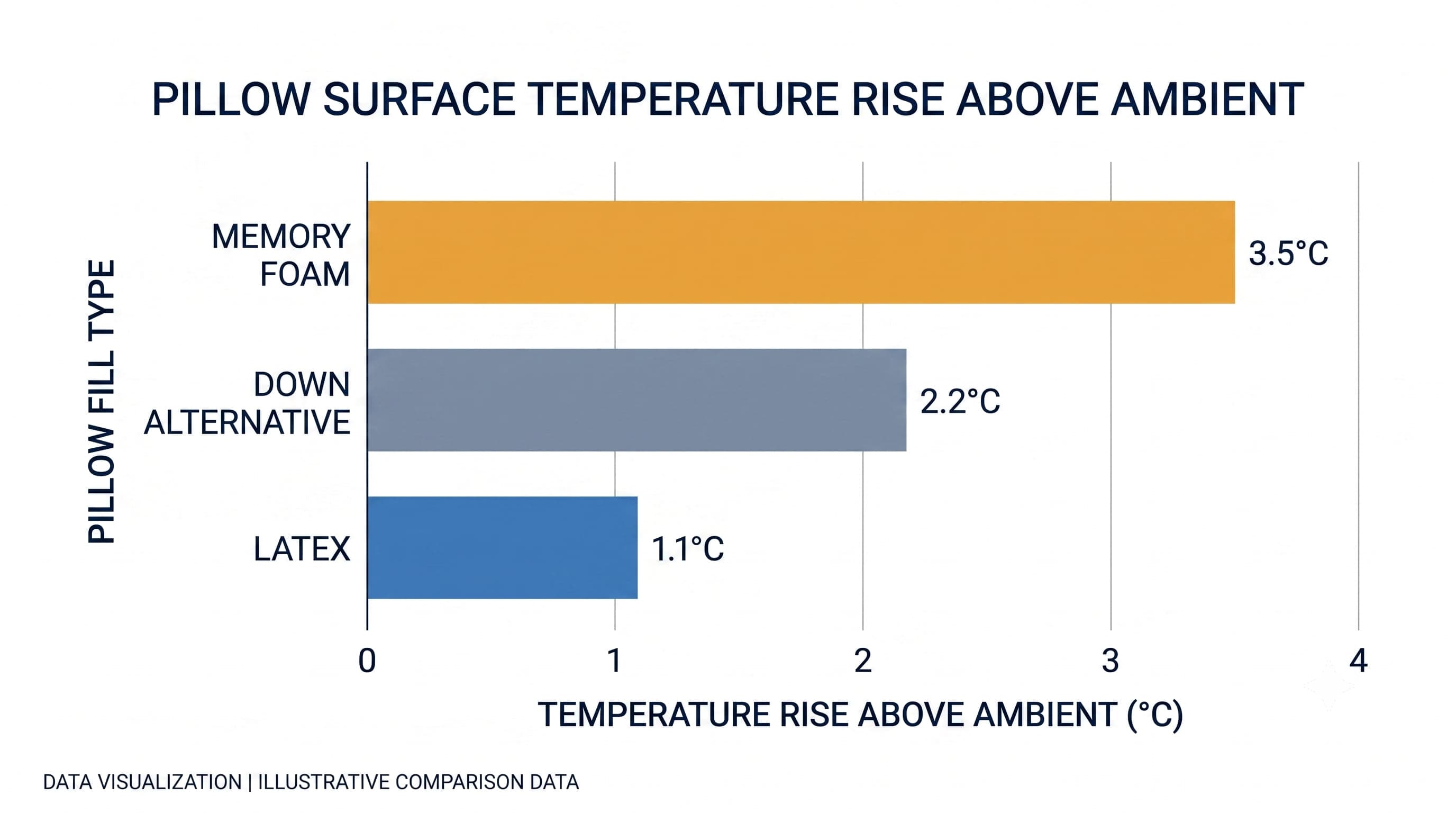
This is latex's clearest advantage. In our own pillow testing across multiple fill types, the one latex pillow in our tested range recorded a surface temperature rise of +3.6°F above ambient after two hours — meaningfully cooler than standard memory foam pillows, which commonly run +4.5°F to +5°F or higher in the same conditions. The open-cell structure is doing real, measurable work here, not just marketing.
Durability
Latex is inherently resistant to permanent compression in a way foam and fiber fill aren't. A quality solid latex pillow can last 3–4 years or more with proper care, compared to 12–18 months for budget fiberfill and roughly 2–4 years for standard memory foam before noticeable flattening sets in.
Responsiveness
If you reposition frequently during the night, latex's near-instant rebound means the pillow reforms around your new head position immediately, without the brief "stuck" resistance memory foam's slow recovery can create.
Hypoallergenic and Antimicrobial Properties
Natural latex is naturally resistant to dust mites and mold, a genuine benefit for allergy-prone sleepers — provided you don't have a latex allergy yourself (see below).
Where Memory Foam Still Wins
Deep, cradling pressure relief. Memory foam's slow-conforming structure wraps around the shoulder and neck more completely than latex's firmer push-back, which is why some side sleepers with sensitive pressure points still prefer foam despite latex's other advantages. Our top-tested budget memory foam pick, the Weekender Cooling Gel Memory Foam Pillow ($29–$39 — check price →), is worth considering if deep contouring matters more to you than latex's cooling and responsiveness advantages.
The Non-Latex Alternative Worth Knowing About
Not every cooling, fixed-loft pillow uses latex. The Purple Harmony ($189–$219 — check price →) uses Purple's proprietary GelFlex Grid — a hyper-elastic polymer, not latex — and posted the single coolest surface temperature of any pillow in our tested range. If cooling performance alone is your top priority and you're open to a non-natural material, it's worth comparing against a latex pick before deciding.
Certifications Worth Checking
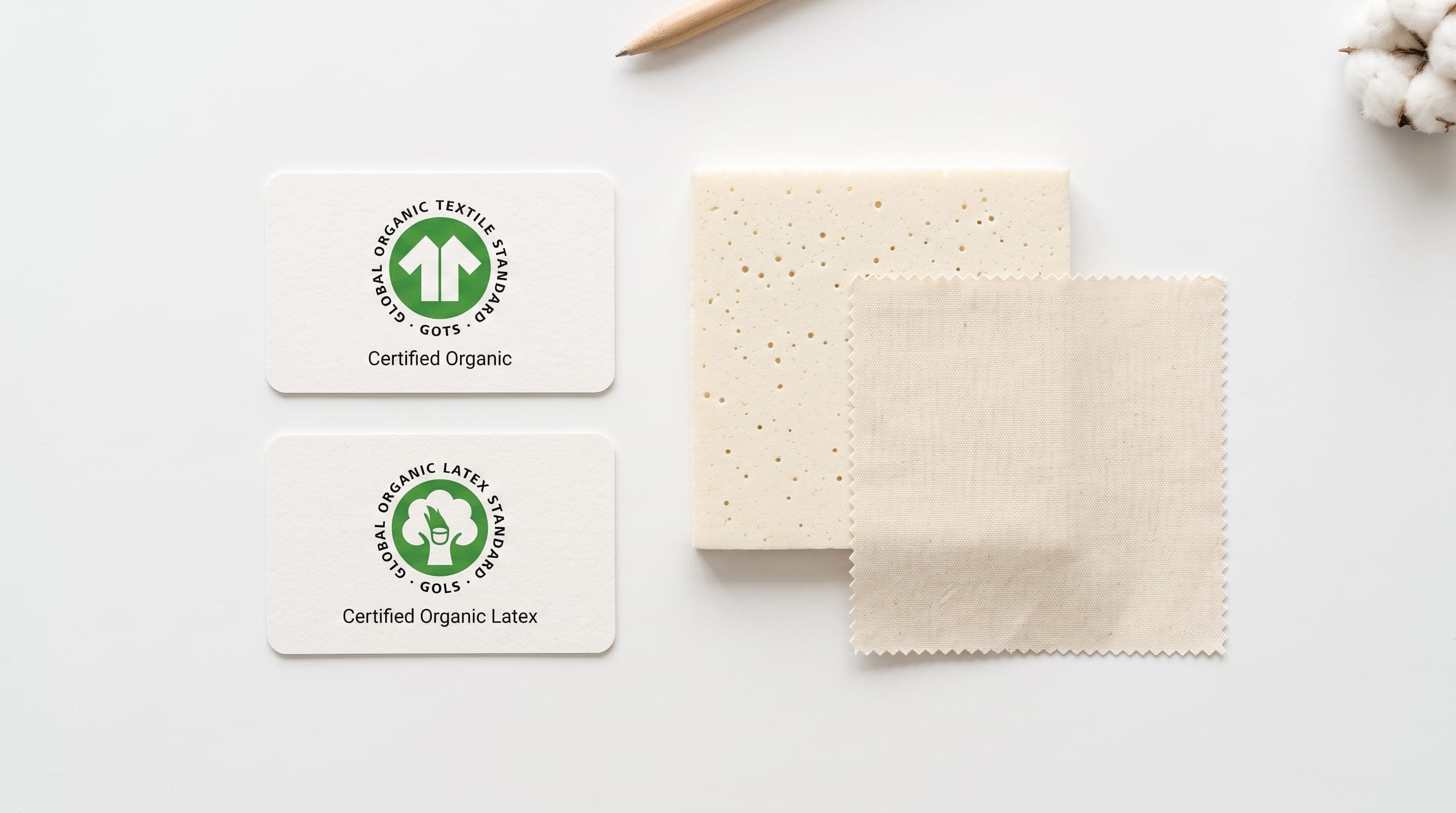
GOLS (Global Organic Latex Standard) — the relevant certification for the latex itself. It verifies the latex is genuinely sourced from natural rubber trees rather than a synthetic blend, confirms organic content thresholds, and checks that harvesting and manufacturing meet defined environmental and labor standards.
GOTS (Global Organic Textile Standard) — covers the cotton or fabric cover separately, verifying organic growing practices and chemical-free processing at every manufacturing stage.
OEKO-TEX Standard 100 — a broader safety certification covering all components (fill, fabric, thread, dyes) against a wide panel of regulated substances, applicable to both latex and non-latex products.
Why both GOLS and GOTS matter together: A pillow can have an organic cotton cover over synthetic latex fill, or genuine organic latex under a conventional cover. Only a product carrying both certifications has each major material independently verified — one certification alone doesn't guarantee the other component meets the same standard.
Choosing the Right Loft for Your Sleep Position
Loft — the pillow's height — matters more for cervical alignment than any other single factor, and it interacts directly with your primary sleep position.
Side Sleepers
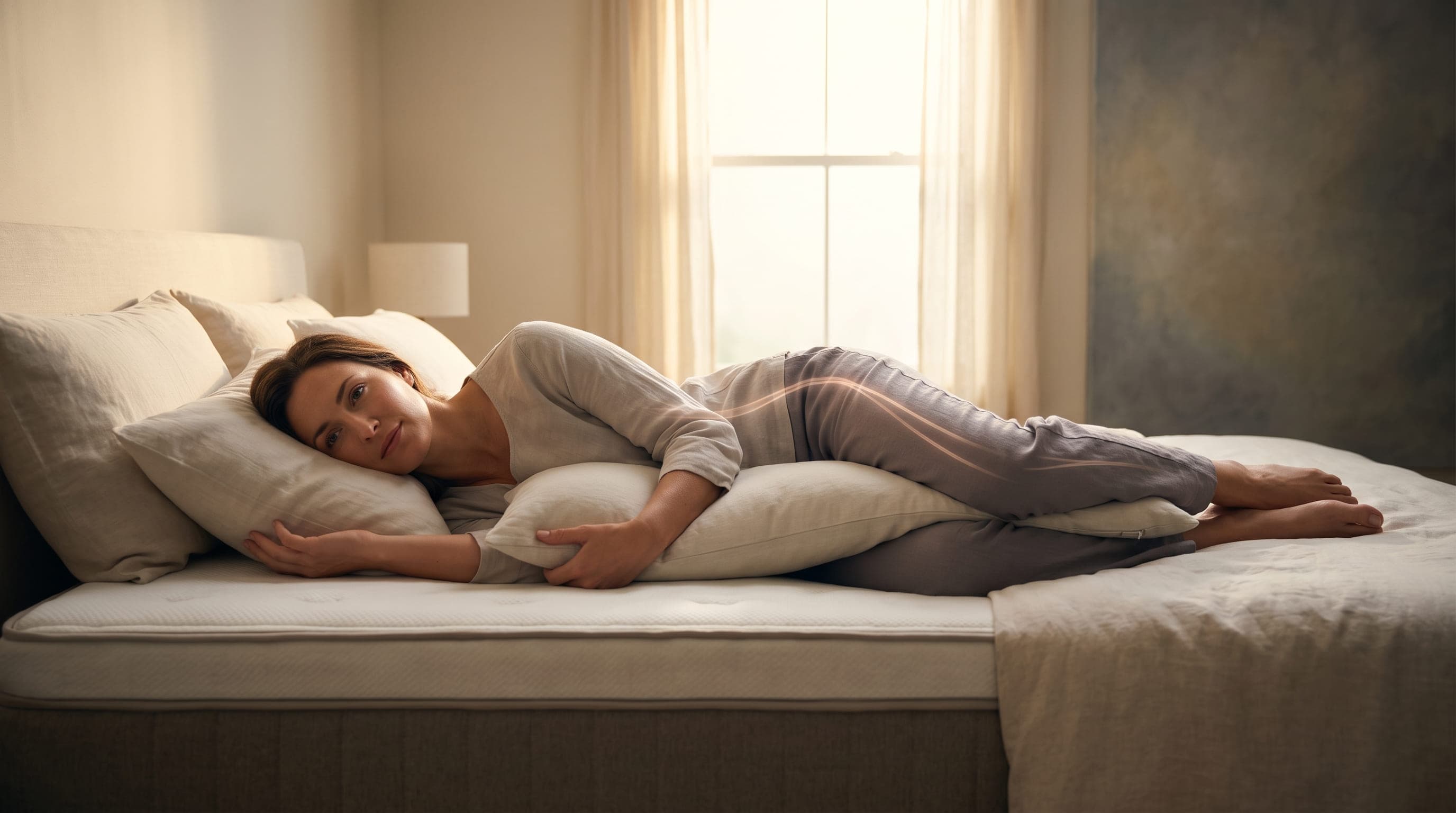
Need the most loft of any position — enough to fill the gap between the mattress surface and the side of the head, keeping the spine level. A solid latex core with a contoured shape and a taller profile, or a shredded pillow adjusted to a higher fill level, both work well here.
Back Sleepers
Need moderate loft that supports the neck's natural curve without pushing the head forward into a chin-to-chest position. A slightly lower, contoured latex shape — or a shredded pillow reduced to roughly two-thirds of its default fill — tends to fit this position best.
Stomach Sleepers
Need the lowest loft possible, since any significant height rotates the neck to one side for extended periods. A flat, low-profile latex option or a heavily reduced shredded fill is the safer choice; many stomach sleepers do better without a pillow at all, or with a very thin one.
Solid Core or Shredded Fill for Your Position?
If you already know your sleep position and it doesn't change, a solid, purpose-shaped latex core built for that position (like a contoured side-sleeper design) will typically outperform a general-purpose shredded pillow on raw alignment, since the shape is doing structural work rather than just providing height. If you're uncertain of your ideal loft or move between positions, adjustable shredded fill gives you room to experiment without committing to a fixed shape.
Latex Allergies — A Real Consideration
A small percentage of the population has a documented Type I latex hypersensitivity — a genuine allergic reaction to proteins present in natural rubber latex. If you have a known latex allergy, avoid natural latex pillows entirely and choose memory foam, down alternative, or a synthetic fiber option instead. If you're unsure whether you have a sensitivity, consult an allergist before purchasing, particularly if you have a history of reactions to other latex products like gloves or balloons.
Best Latex Pillow — Our Tested Pick
The Naturepedic Organic Latex Side Sleeper Pillow ($125–$165) is the best latex pillow in our fully tested range — it carries both GOLS and GOTS certification and uses a solid Talalay-process latex core shaped specifically for side sleeping.
In our eight-week testing, it scored 9.3/10 for side-sleeping cervical alignment — the highest score we've recorded for any pillow in our full tested range, fixed or adjustable — and posted a temperature reading of +3.6°F above ambient, consistent with the cooling advantage latex generally holds over memory foam. Loft retention measured 97% at eight weeks, well ahead of the compression rates typical of foam or fiber alternatives.
Best for: Dedicated side sleepers who want certified organic materials and don't need adjustable loft.
Read the full review → | Check price on Amazon →
Latex vs. Memory Foam vs. Down Alternative — At a Glance
| Feature | Latex | Memory Foam | Down Alternative |
|---|---|---|---|
| Temperature | Coolest | Warmest | Moderate |
| Responsiveness | Instant | Slow | Fast |
| Pressure relief | Good (firmer push-back) | Excellent (deep conforming) | Soft, minimal structure |
| Durability | 3–4+ years | 2–4 years | 12–18 months |
| Allergy risk | Latex allergy only | Low | Down/feather sensitivity |
| Typical price | $$–$$$ | $–$$$ | $–$$ |
Care and Maintenance
Cover: Most latex pillow covers are removable and machine washable — cold water, gentle cycle, air dry or tumble dry on low heat.
Core: Never machine wash or submerge the latex core itself. Spot-clean with a damp cloth and mild detergent if needed.
Sun exposure: Keep latex pillows out of prolonged direct sunlight — UV exposure gradually degrades the material over time, the same way it affects rubber products generally.
Rotation: Rotating or flipping a solid latex pillow periodically can help even out any gradual softening, though quality latex resists this far better than foam or fiber alternatives to begin with.
Frequently Asked Questions
Are latex pillows worth the higher price compared to memory foam?
For sleepers who run warm or want more responsive support, generally yes. Latex's cooling advantage over memory foam is structural and consistent, not marginal, and its durability advantage — often 3–4+ years versus 2–4 for memory foam — helps offset the higher upfront cost over the product's lifespan.
Do latex pillows lose their shape over time?
Much more slowly than foam or fiber alternatives. In our testing, a solid latex pillow retained 97% of its original loft after eight weeks of nightly use, and natural latex's structural resistance to permanent compression means this durability advantage typically holds for years, not just weeks.
Is a latex pillow good for neck pain?
Often, particularly for side sleepers. A purpose-shaped solid latex core provides structural support at the neck that adjustable fill can't fully replicate, since the shape itself is doing alignment work rather than just filling space at the right height. The specific fit still depends on your sleep position — a pillow shaped for side sleeping won't help a back sleeper's neck pain the same way.
Can I be allergic to a latex pillow?
Yes — a small percentage of people have a genuine Type I latex hypersensitivity. If you have a known or suspected latex allergy, avoid natural latex products and choose memory foam or a synthetic alternative instead. Consult an allergist if you're uncertain.
What's the difference between GOLS and OEKO-TEX certification?
GOLS specifically verifies that latex is genuinely natural and organically sourced. OEKO-TEX Standard 100 is a broader safety certification checking all pillow components — not just latex — against a wide range of regulated substances. A pillow can carry either, both, or neither; checking for GOLS specifically is the more relevant standard if organic latex sourcing is your priority.
Should I buy a solid or shredded latex pillow?
If you're confident in your sleep position and want the most structurally consistent support, a solid, purpose-shaped core tends to perform better. If you're uncertain of your ideal loft or your position varies, adjustable shredded fill gives you room to experiment without committing to one fixed shape.
The Bottom Line
A latex pillow is the right choice if you run warm at night, want a more responsive feel than memory foam's slow conforming, or specifically want independently verified organic materials. The core decisions that matter are Talalay versus Dunlop (Talalay generally suits pillows better), solid versus shredded (solid for consistent purpose-built support, shredded for adjustability), and confirming GOLS and GOTS certification together if organic sourcing matters to you.
Our picks by priority:
- Best latex pillow overall: Naturepedic Organic Latex Side Sleeper Pillow ($125–$165) — check price →
- Best if you want adjustable loft instead: Coop Home Goods Original ($69–$89) — check price →
- Best non-latex cooling alternative: Purple Harmony ($189–$219) — check price →
- Best contoured memory foam alternative: Eli & Elm Ergonomic Side Sleeper Pillow ($110–$125) — check price →
- Best budget memory foam alternative: Weekender Cooling Gel Memory Foam ($29–$39) — check price →
For the equivalent comparison at the mattress level rather than pillow level, see our Latex vs Memory Foam guide.
Related Guides
Ready to shop? Browse our expert mattress reviews to find your perfect match.