Best Mattress for Pregnancy: 2026
Best mattress for pregnancy in 2026: expert-tested picks for side-sleeping support, hip pressure relief, and safe certified materials by trimester.
Pregnancy changes nearly everything about how you sleep. Side sleeping becomes medically recommended rather than optional, growing hip and lower back pressure needs genuine cushioning, and many expectant mothers become newly sensitive to chemical smells and materials they never thought about before. A mattress that worked perfectly well before pregnancy often stops working somewhere around the second trimester.
This guide covers what changes during pregnancy sleep needs, which mattress qualities matter most trimester by trimester, and our top-tested picks for expectant mothers.
How Pregnancy Changes Your Sleep Needs
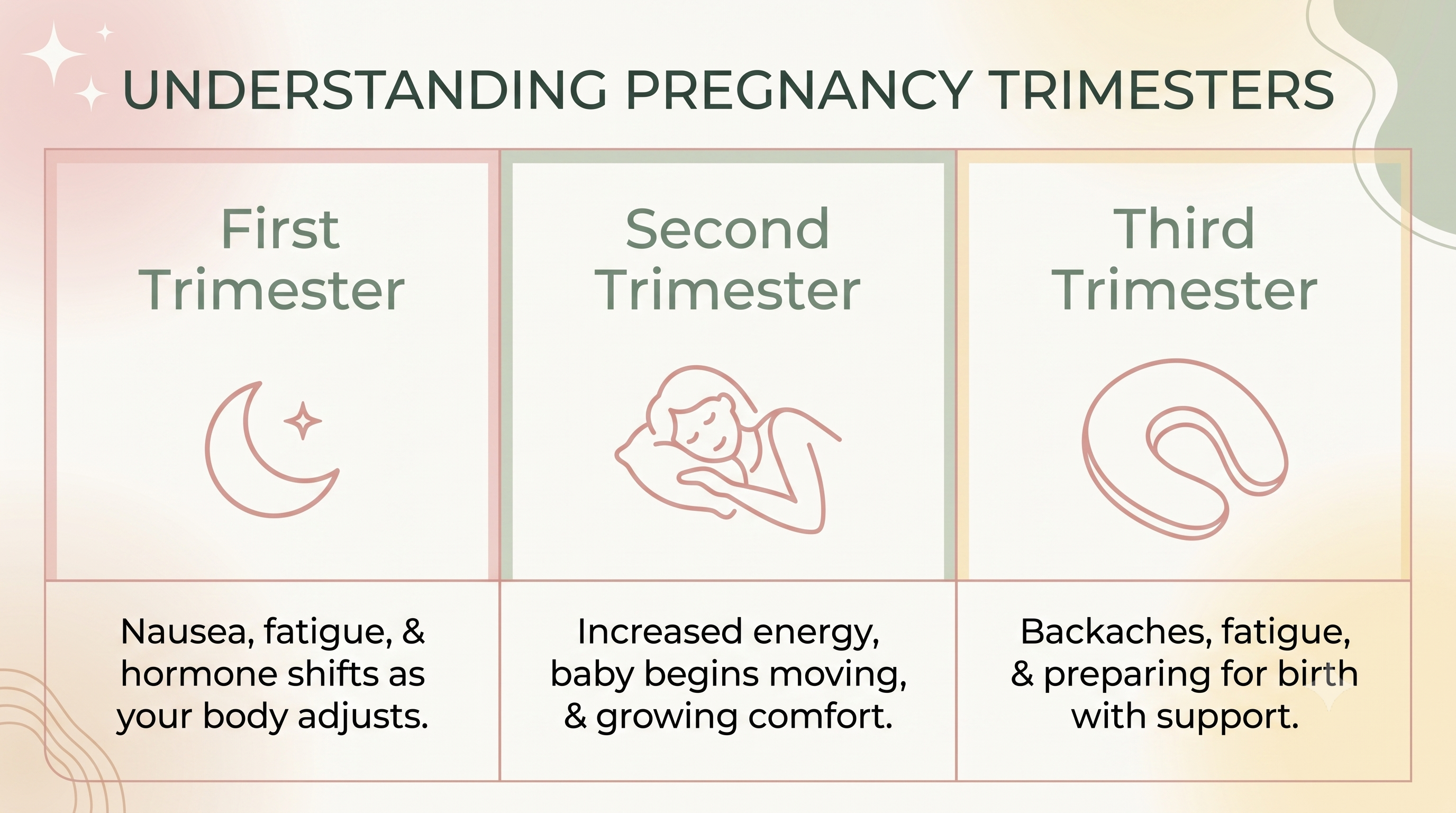
Side Sleeping Becomes the Recommended Position
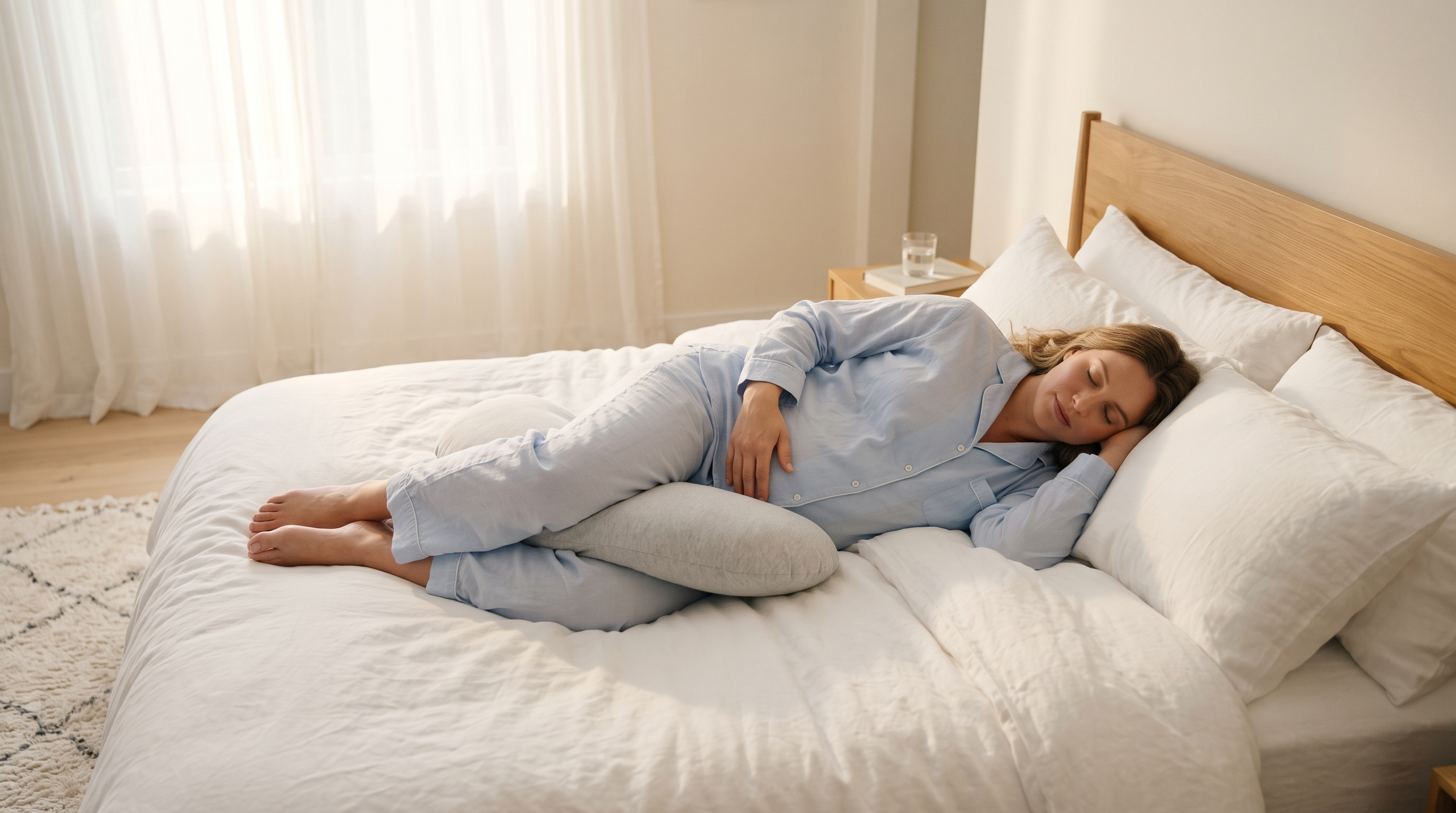
From the second trimester onward, medical guidance consistently recommends side sleeping — specifically the left side — to optimize blood flow to the placenta and reduce pressure on major blood vessels. This is a significant shift for anyone who previously slept on their back or stomach, and it means the mattress qualities that matter for side sleeping — shoulder and hip pressure relief, in particular — become far more important than they were before pregnancy.
Growing Hip and Lower Back Pressure
As pregnancy progresses, added weight and a shifting center of gravity place more sustained pressure on the hips during side sleeping, and the lower back often bears the added strain of postural changes. A mattress that is too firm concentrates this pressure at the hip and shoulder contact points; a mattress that is too soft fails to keep the spine properly aligned.
Increased Sensitivity to Smell and Materials
Many pregnant women experience heightened sensitivity to smell, particularly during the first trimester, and understandably want to minimize exposure to synthetic chemical odors during pregnancy. This makes CertiPUR-US certification — independently verified low VOC emissions — a more important consideration than it might be for the average buyer.
Temperature Regulation
Pregnancy commonly raises baseline body temperature due to increased blood volume and metabolic rate, which means many expectant mothers who never previously ran warm at night suddenly do. Cooling technology becomes a more relevant factor than it may have been before.
Firmness Guidance by Trimester
| Trimester | Sleep Position Guidance | Recommended Firmness |
|---|---|---|
| First | No specific restriction yet | Personal preference; medium is a safe default |
| Second | Side sleeping (left side preferred) begins | Medium to medium-soft for hip/shoulder relief |
| Third | Strict side sleeping; growing hip pressure | Medium-soft with strong pressure relief |
The general principle: As pregnancy progresses and side sleeping becomes both more necessary and more physically demanding, a slightly softer comfort layer that allows the hip and shoulder to sink appropriately becomes more valuable than firm, unyielding support.
Our Top Picks at a Glance
| Mattress | Type | Firmness | Price (Queen) | Best For |
|---|---|---|---|---|
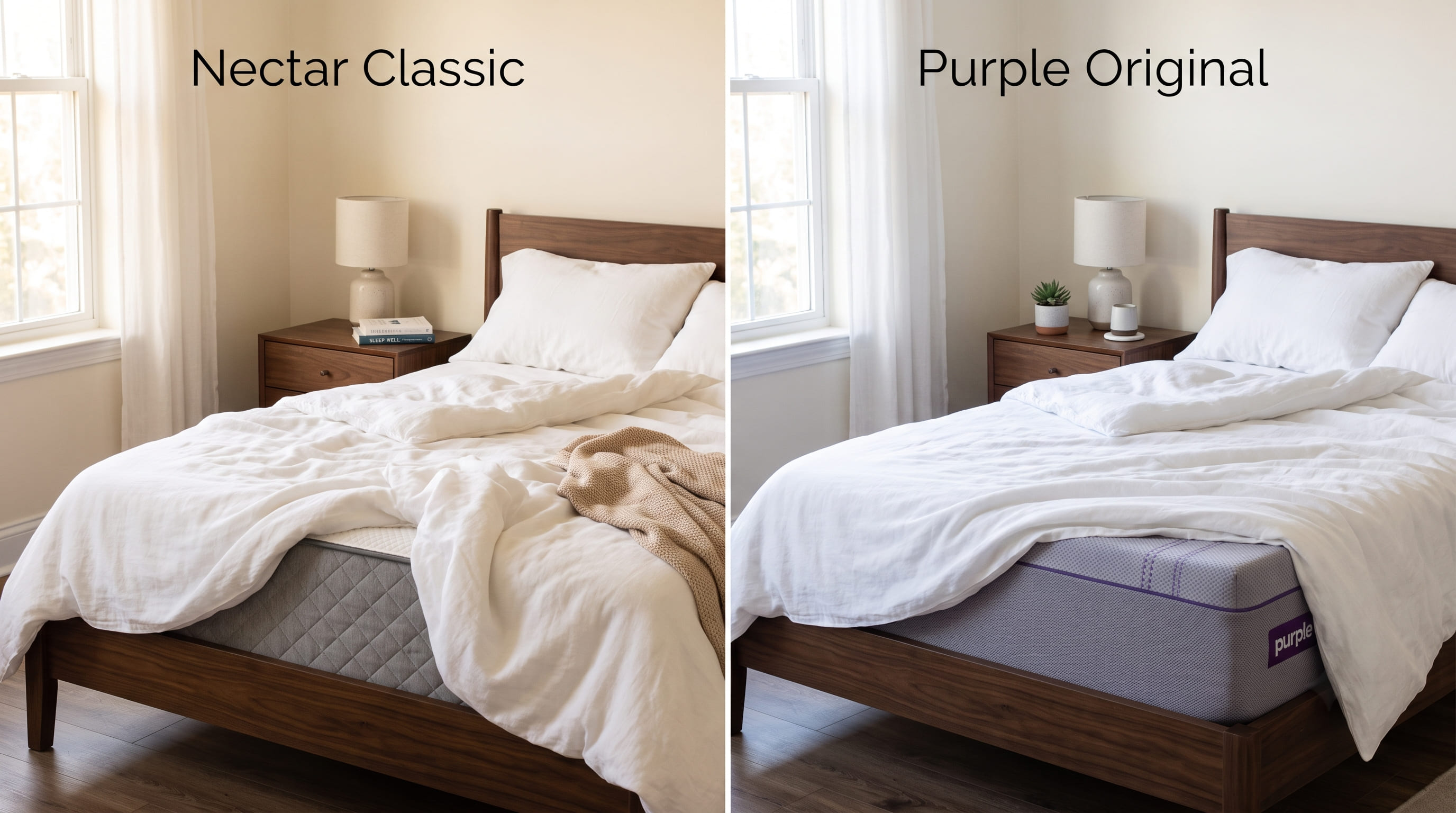
| Nectar Classic | Memory Foam | Medium | $679–$699 | Best pressure relief for side sleeping |
| DreamCloud Classic | Hybrid | Medium-Firm | $649–$699 | Cooling with pressure relief |
| Sweetnight CoolNest | Hybrid | Medium | $545–$555 | Best for pregnancy-related overheating |
| NapQueen 8 Inch Bamboo Charcoal | Memory Foam | Medium-Firm | $175–$185 | Budget pick, guest room |
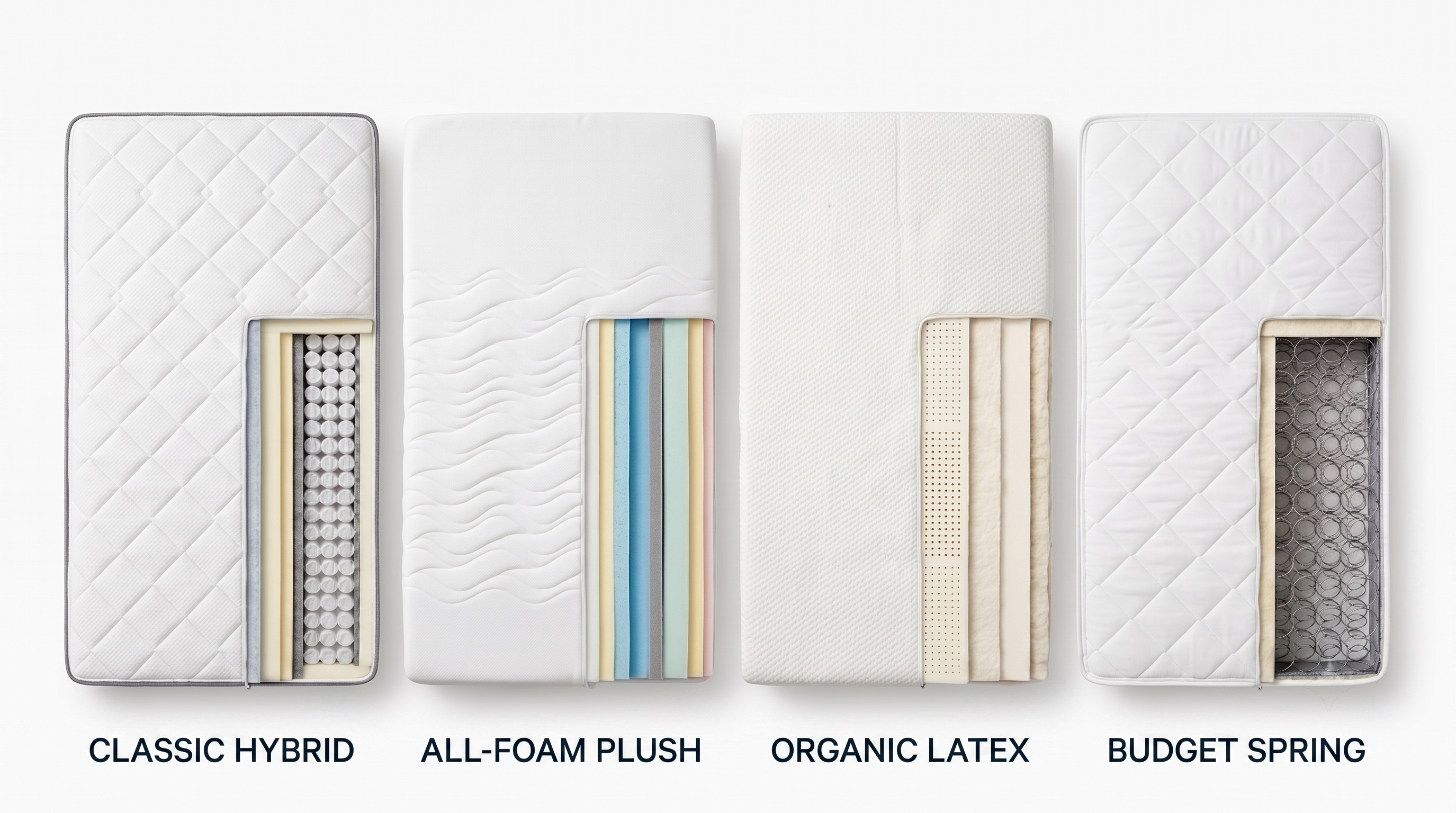
1. Nectar Classic — Best Pressure Relief for Side Sleeping
Price (Queen): $679–$699 | Firmness: Medium | Type: Memory Foam
The Nectar Classic's medium feel and deep-contouring memory foam layers deliver exactly what pregnancy side sleeping requires — genuine cushioning at the hip and shoulder without excessive sinkage elsewhere. In our testing, side sleepers recorded some of the lowest peak pressure readings in our tested range, which directly translates to less overnight hip and shoulder discomfort.
The mattress is CertiPUR-US certified, and the 365-night trial gives ample time to evaluate comfort across changing needs through pregnancy.
Who it suits: Expectant mothers transitioning into consistent side sleeping who want maximum pressure relief at the hip and shoulder.
Our score: 4.6/5
Read our full Nectar Classic review →
2. DreamCloud Classic — Best for Cooling With Pressure Relief
Price (Queen): $649–$699 | Firmness: Medium-Firm | Type: Hybrid
For expectant mothers who need both temperature regulation and side-sleeping pressure relief, the DreamCloud Classic's hybrid coil base provides genuine airflow while the Euro-top gel foam comfort layer cushions the hip and shoulder. The medium-firm feel sits slightly firmer than the Nectar Classic, which some later-pregnancy side sleepers prefer for added lumbar support alongside the pressure relief.
Who it suits: Expectant mothers who run warm and want cooling alongside pressure relief, rather than choosing one or the other.
Our score: 4.7/5
Read our full DreamCloud Classic review →
3. Sweetnight CoolNest — Best for Pregnancy-Related Overheating
Price (Queen): $545–$555 | Firmness: Medium | Type: Hybrid
If overheating has become a new and unwelcome part of your pregnancy sleep experience, the Sweetnight CoolNest's phase-change cooling cover combined with a 7-inch pocketed coil system delivered some of the strongest cooling results in our entire tested mattress range. The medium feel still provides adequate side-sleeping pressure relief, making it a genuinely dual-purpose pick rather than a cooling mattress that sacrifices comfort.
Who it suits: Expectant mothers, particularly in the second and third trimester, who have started running noticeably warmer at night than before pregnancy.
Our score: 4.5/5
Read our full Sweetnight CoolNest review →
4. NapQueen 8 Inch Bamboo Charcoal — Best Budget Pick
Price (Queen): $175–$185 | Firmness: Medium-Firm | Type: Memory Foam
For a nursery-adjacent guest room, a temporary sleep setup, or simply a lower-budget option, the NapQueen delivers CertiPUR-US certified foam construction at the lowest price in this guide. The bamboo charcoal infusion provides a genuine moisture and odor-control benefit, which is a practical bonus during a period when smell sensitivity is often heightened.
Who it suits: Budget-conscious buyers, guest rooms, or a secondary sleep space for periods of pregnancy discomfort when sleeping separately provides relief.
Our score: 4.2/5
Read our full NapQueen 8 Inch review →
Certifications Worth Checking
CertiPUR-US is the certification most relevant to pregnancy: it independently verifies that foam has been tested and confirmed free from ozone-depleting compounds, PBDE flame retardants, heavy metals, and formaldehyde, with low VOC emissions. Every mattress recommended in this guide carries this certification. For a full explanation of what this covers, see our guide: CertiPUR-US Explained.
Supporting Your Sleep Position With Pillows
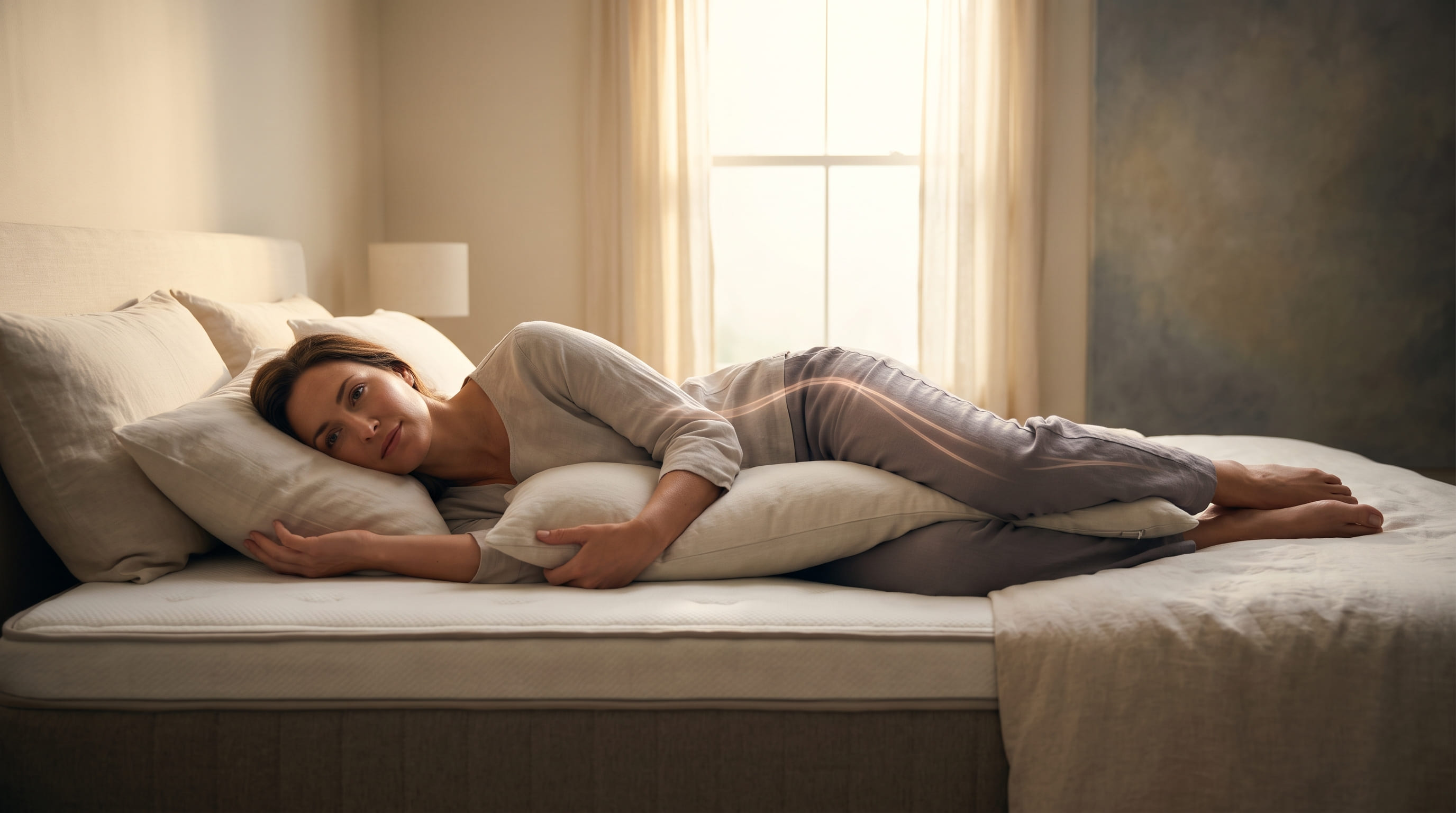
A supportive mattress is only part of the picture during pregnancy. A pillow placed between the knees while side sleeping helps keep the hips level and reduces lower back strain — a simple addition that meaningfully improves comfort regardless of which mattress you choose. Many expectant mothers also find a body pillow or wedge pillow behind the back helps maintain consistent side-sleeping position through the night, since it is common to unconsciously roll onto the back during sleep even after consciously choosing to side sleep.
Frequently Asked Questions
What firmness mattress is best during pregnancy?
Medium to medium-soft is generally the most comfortable range as pregnancy progresses, since it allows the hip and shoulder to sink appropriately during the side sleeping that is medically recommended from the second trimester onward. Very firm mattresses can create uncomfortable pressure points at the hip during side sleeping; very soft mattresses can fail to provide adequate lumbar support.
Is it safe to sleep on a memory foam mattress during pregnancy?
Yes, provided the foam is CertiPUR-US certified, which confirms independently verified low chemical emissions. There is no established medical concern with memory foam mattresses during pregnancy beyond the general recommendation to choose certified materials, which reduces exposure to VOCs during a period when smell sensitivity is often heightened.
Why do I need to sleep on my side during pregnancy?
Left-side sleeping is specifically recommended from the second trimester onward because it optimizes blood flow to the placenta and reduces pressure on the vena cava, a major blood vessel. This recommendation is why pressure relief at the hip and shoulder becomes a significantly more important mattress quality during pregnancy than it may have been beforehand.
Do I need a new mattress during pregnancy?
Not necessarily — if your current mattress already provides adequate side-sleeping pressure relief and you are not experiencing new pain or overheating, a new mattress is not required. Consider a new mattress if you are experiencing new hip or lower back pain during side sleeping, or if you have started overheating noticeably more than before pregnancy.
What should I avoid in a mattress during pregnancy?
Avoid uncertified foam, since it has not been independently verified for low chemical emissions. Avoid mattresses that are very firm if you are side sleeping, since firm surfaces concentrate pressure at the hip and shoulder rather than allowing appropriate cushioning. There is no need to avoid any specific mattress material category (foam, hybrid, latex) outright — certification and firmness match matter more than material type.
Can a mattress topper help during pregnancy instead of buying a new mattress?
Yes, if your current mattress is structurally sound but has become too firm for comfortable side sleeping. A 2–3 inch memory foam or latex topper can add the pressure relief needed without the cost of a full mattress replacement. See our full Mattress Topper Guide for material and thickness guidance.
The Bottom Line
For most expectant mothers, the Nectar Classic at $679–$699 delivers the deepest pressure relief for the side sleeping that pregnancy requires. If overheating has become a new concern, the Sweetnight CoolNest at $545–$555 addresses that directly while still providing adequate side-sleeping comfort. Whatever you choose, confirm CertiPUR-US certification and pair it with a knee pillow for side sleeping — a small addition that meaningfully improves comfort through every trimester.
Browse all reviewed mattresses →
Related Guides
Ready to shop? Browse our expert mattress reviews to find your perfect match.