How to Clean a Mattress: 2026
How to clean a mattress step by step: remove stains, eliminate odors, and deep clean safely. Expert-tested methods for every mattress type in 2026.
A mattress absorbs sweat, skin cells, dust mites, and the occasional spill for years without ever being cleaned the way a couch or a carpet is. Most people never clean their mattress at all beyond changing the sheets — which is a mistake, because a genuinely dirty mattress affects both hygiene and how well it holds up over time.
This guide covers the correct cleaning method for every mattress type, how to remove specific stains, how to eliminate odors safely, and how often you should actually be doing this.
How Often Should You Clean Your Mattress?
Every 1–3 months: A full vacuum and baking soda deodorizing treatment (covered below). This is the routine maintenance that prevents dust mite buildup and neutralizes everyday odor before it sets in.
Immediately: Any liquid spill, stain, or accident. Fresh stains are dramatically easier to remove than set-in ones — treating a spill within the first hour makes a real difference to the outcome.
Every 6 months: A deeper clean if you have pets, allergies, or share the bed with children. Dust mite allergens accumulate faster in these households.
Signs your mattress needs cleaning now: A musty or sour smell, visible discoloration, or a mattress older than 3–4 years that has never been cleaned.
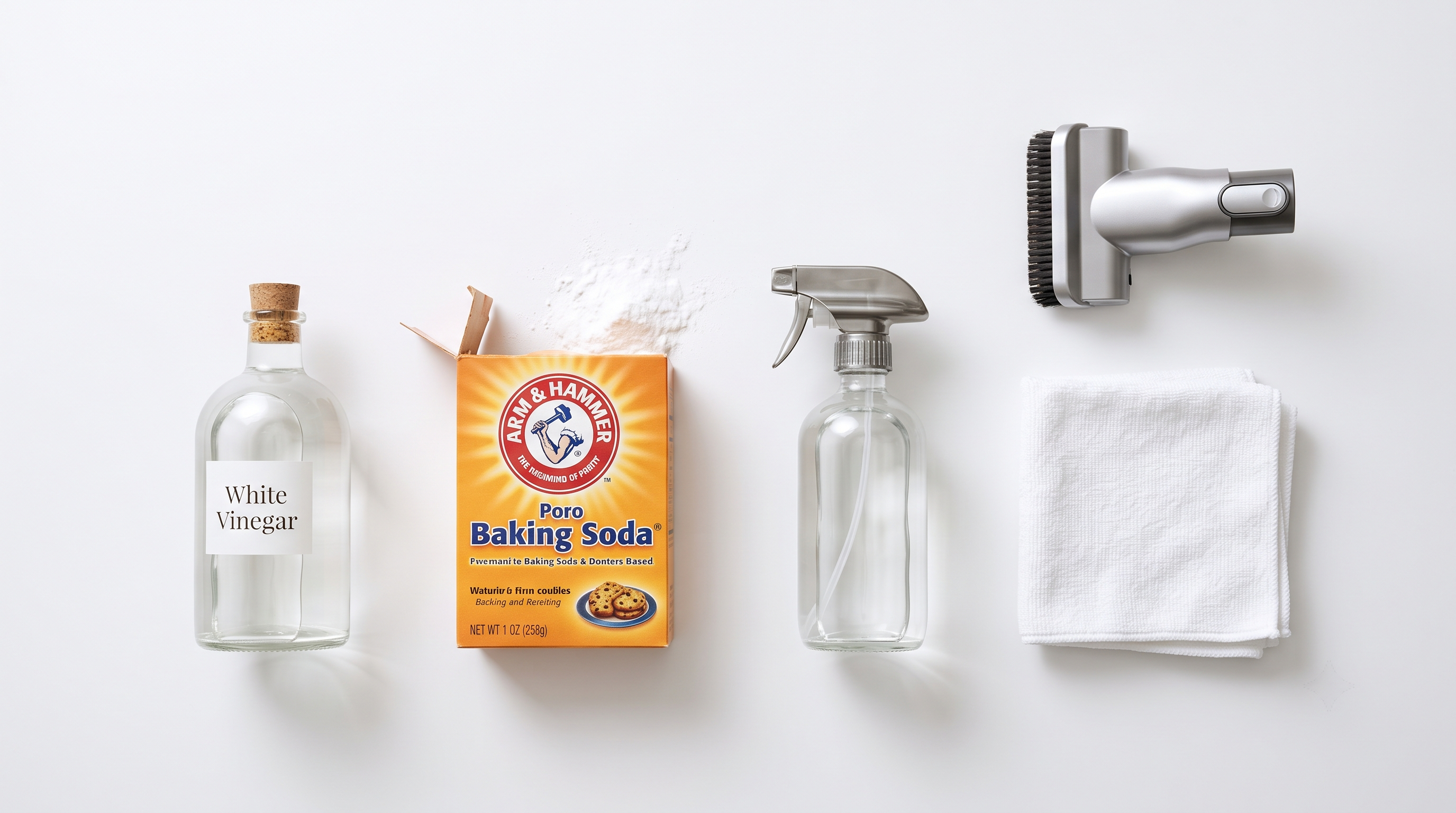
What You Will Need
- A vacuum with an upholstery attachment
- Baking soda
- A spray bottle
- Mild dish soap or enzyme cleaner
- White vinegar (for odor treatment)
- Cold water
- Clean white cloths or paper towels
- A fan or open window for drying
What to avoid: Bleach, ammonia, and heavily scented commercial cleaners. Bleach can break down foam and fabric fibers over time, and strong chemical cleaners can leave a residue that irritates skin during sleep. Stick to mild, targeted solutions.
Step-by-Step: The Full Cleaning Process
Step 1: Strip and Vacuum
Remove all bedding, including the mattress protector if you have one. Vacuum the entire surface using an upholstery attachment, working in slow, overlapping passes. Pay particular attention to seams and the mattress edges, where dust and debris accumulate most.
Step 2: Treat Any Visible Stains
Address stains before the general deodorizing step — see the stain-specific methods below. Always spot-test any cleaning solution on an inconspicuous area first, particularly on memory foam, which can be more sensitive to moisture than other materials.
Step 3: Deodorize With Baking Soda
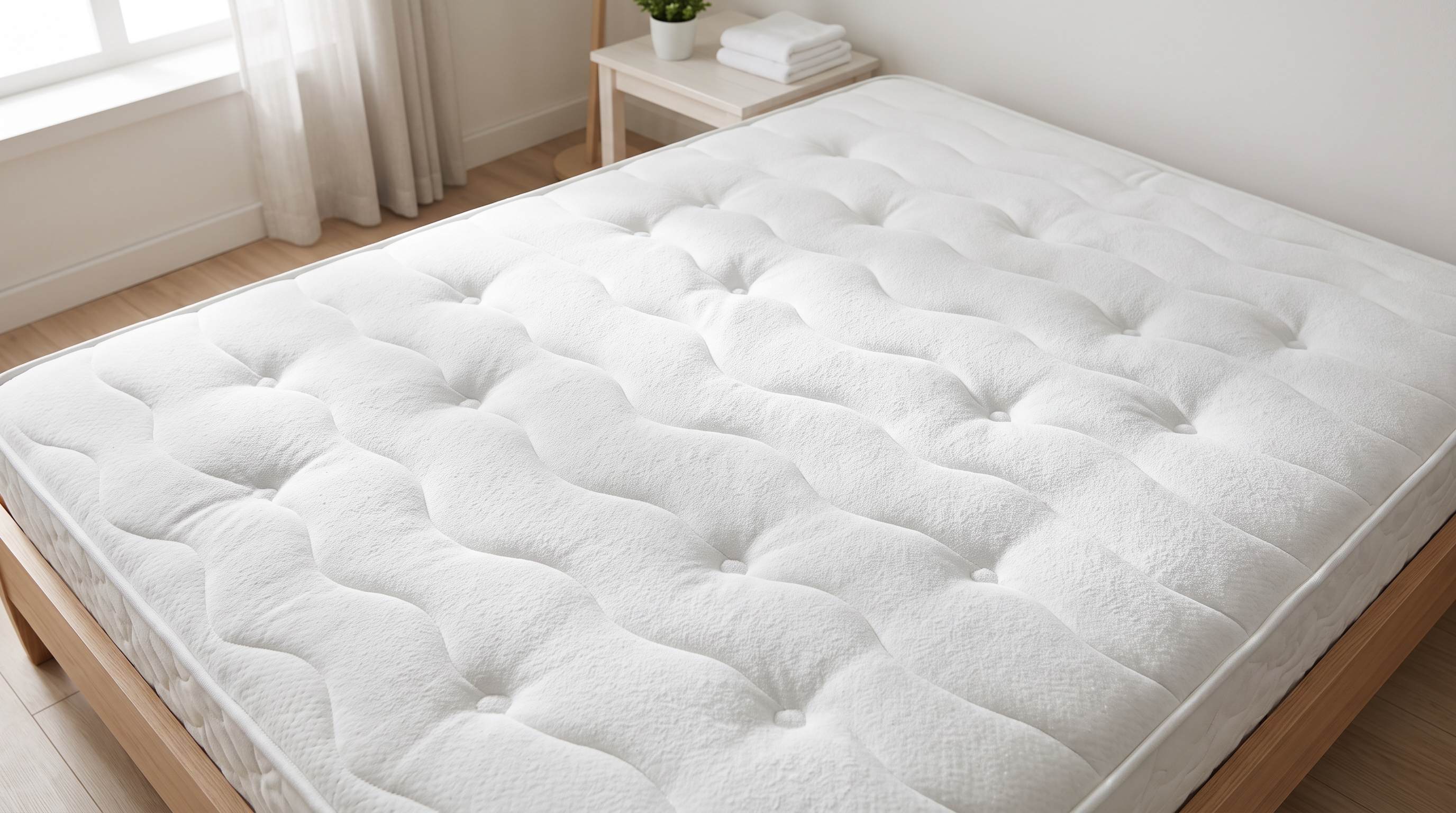
Sprinkle a generous, even layer of baking soda across the entire mattress surface. Baking soda absorbs odors and moisture at a molecular level rather than simply masking smell. Let it sit for at least 30 minutes — several hours or overnight is more effective if you have the time.
Step 4: Vacuum Again
Vacuum thoroughly to remove all the baking soda, along with whatever odor and moisture it has absorbed. Go over the surface at least twice to ensure no residue remains.
Step 5: Air Out and Dry Completely
Open windows and run a fan across the mattress surface for at least a few hours before remaking the bed. If you treated any stains with liquid, do not put sheets back on until the mattress is completely dry — trapping moisture beneath bedding is exactly how mold and mildew develop inside a mattress.
How to Remove Specific Stains
Sweat Stains (Yellow Discoloration)
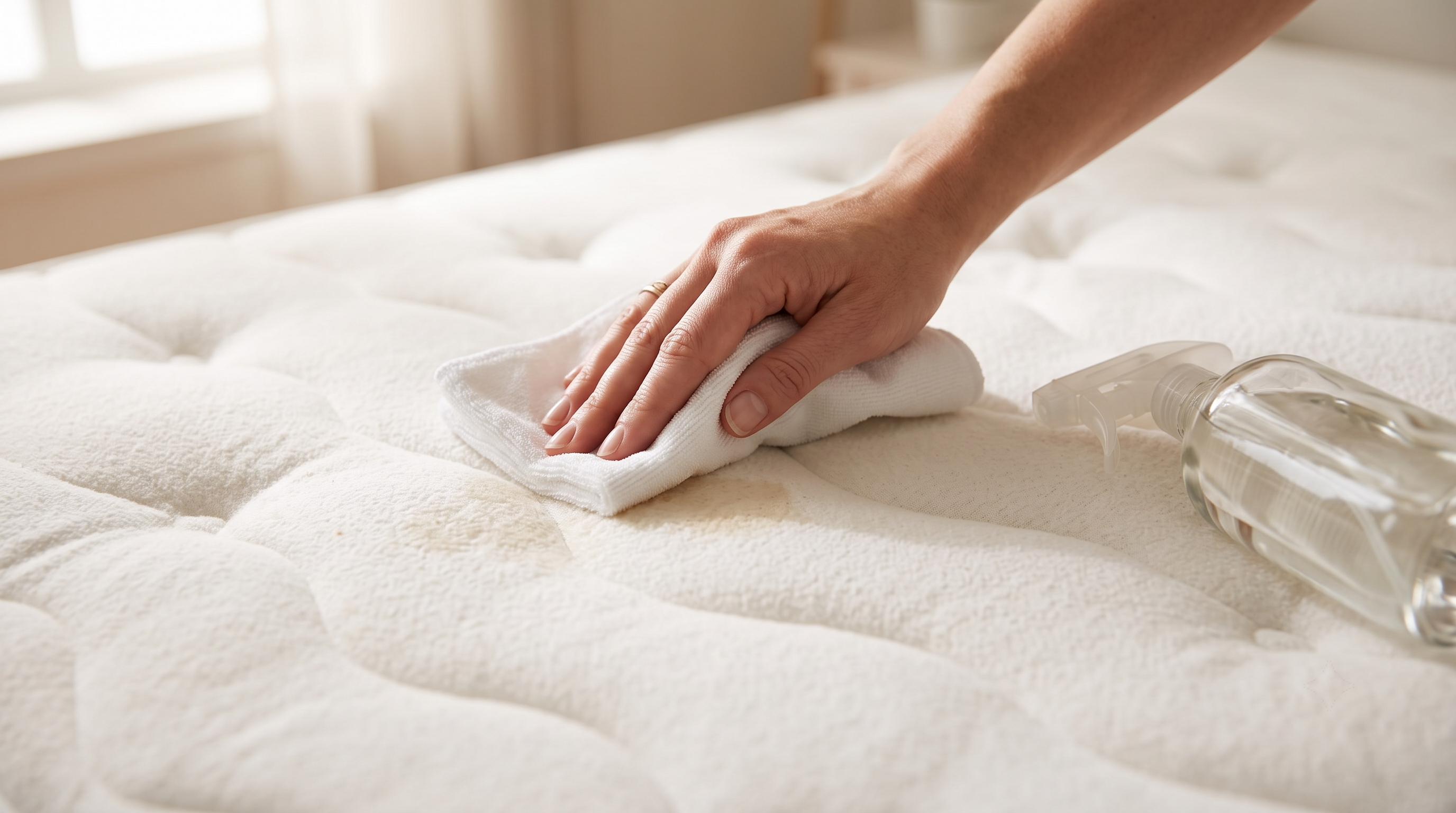
Mix equal parts hydrogen peroxide and water in a spray bottle, or use a solution of one tablespoon dish soap, one tablespoon baking soda, and two cups of cold water. Spray lightly onto the stain — do not soak the mattress — and blot with a clean cloth. Work from the outside of the stain inward to avoid spreading it. Repeat as needed, then allow to air dry completely.
Blood Stains
Use cold water only — hot water sets blood stains permanently by cooking the proteins into the fabric. Blot (never rub) with a cloth dampened in cold water, then apply a small amount of hydrogen peroxide directly to the stain and blot again once it stops fizzing. For stubborn stains, a paste of cold water and cornstarch or baking soda left to dry and then vacuumed away can lift the remaining residue.
Urine Stains and Odor
Blot up as much liquid as possible immediately with a dry towel, pressing firmly. Spray the area with a mixture of equal parts white vinegar and water, let sit for 5–10 minutes, then blot dry. Follow with a generous baking soda application (Step 3 above) left overnight to fully neutralize the odor before vacuuming. For urine that has already dried, an enzyme-based cleaner formulated for pet or human accidents will break down the odor-causing compounds more effectively than vinegar alone.
General Spills (Coffee, Wine, Food)
Blot immediately — do not rub, which pushes the stain deeper into the fibers. Apply a solution of mild dish soap and cold water with a cloth, blotting from the outer edge of the stain inward. Rinse the area by blotting with a clean, water-dampened cloth, then dry thoroughly.
Cleaning by Mattress Type
Memory Foam
Memory foam absorbs and retains moisture more readily than other materials, so use the least amount of liquid possible at every step. Never saturate a memory foam mattress — excess moisture trapped inside the foam can lead to mold growth that is difficult or impossible to fully remove. Blot, do not soak, and allow significantly longer drying time than you would for a hybrid or innerspring mattress.
Hybrid and Innerspring
The quilted or upholstered top layer can generally handle the standard cleaning process described above without special precautions. Because these mattresses have more airflow through the coil structure, they tend to dry faster than all-foam mattresses after a liquid treatment.
Latex
Natural and synthetic latex are relatively resistant to moisture damage compared to memory foam, but the same principle applies — blot rather than soak, and avoid harsh chemical cleaners, which can degrade latex material over time more readily than they affect polyurethane foam.
Reducing Dust Mites and Allergens
Dust mites are the primary allergen source in most mattresses, and they thrive in warm, humid environments — which describes the inside of a used mattress fairly well. Beyond the cleaning routine above:
Use a waterproof mattress protector. This is the single most effective step for both allergen control and stain prevention — it creates a barrier that keeps sweat, skin cells, and spills from ever reaching the mattress surface. Wash the protector every 1–2 weeks along with your regular bedding.
Wash bedding weekly in hot water. Dust mites and their allergens are significantly reduced by washing sheets, pillowcases, and duvet covers at 130°F or higher.
Maintain lower bedroom humidity. Dust mites struggle to survive in humidity below 50%. A dehumidifier in consistently humid climates meaningfully reduces mite populations over time.
Sun exposure when possible. If your mattress can be moved, direct sunlight for a few hours has a natural drying and mild sanitizing effect — though this is a supplement to, not a replacement for, regular vacuuming and washing.
What Cleaning Cannot Fix
Cleaning improves hygiene and removes surface odor and stains — it does not restore a mattress that has physically broken down. If your mattress has visible sagging, a permanent body impression deeper than 1.5 inches, or has genuinely reached the end of its useful lifespan (see our guide: How Long Does a Mattress Last?), no cleaning routine will fix the underlying support failure. At that point, a mattress topper can provide a temporary comfort improvement, but replacement is the real fix.
Frequently Asked Questions
How do I get the smell out of a mattress?
Sprinkle a generous, even layer of baking soda across the entire surface and let it sit for several hours or overnight — baking soda absorbs odor-causing compounds rather than masking them. Vacuum thoroughly afterward. For persistent odors, a light vinegar-and-water spray followed by the baking soda treatment addresses more stubborn smells, particularly from urine or sweat.
Can I use a steam cleaner on my mattress?
Steam cleaning is not generally recommended for foam mattresses, since the heat and moisture can degrade foam structure and create a mold risk if the mattress does not dry completely afterward. For innerspring or hybrid mattresses with more airflow, light steam cleaning can be used cautiously, but always follow with thorough air-drying and avoid remaking the bed until completely dry.
How do I clean a memory foam mattress without ruining it?
Use minimal liquid at every step — spray lightly rather than soaking, and always blot rather than rub. Memory foam retains moisture more than other materials, so allow significantly more drying time, ideally with a fan running and windows open, before putting sheets back on.
Is it safe to vacuum a mattress?
Yes — vacuuming is one of the safest and most effective mattress cleaning steps. Use an upholstery attachment rather than a standard floor vacuum head, and work in slow, overlapping passes across the entire surface including the seams and edges where dust accumulates most.
How do I remove old, set-in stains from a mattress?
Set-in stains are more resistant than fresh ones but often still respond to a hydrogen peroxide and water solution or a baking soda paste left to sit for an extended period (several hours) before blotting and vacuuming away. Multiple treatment rounds are often necessary for stains that have been present for months or years — perfect removal is not always achievable, but visible improvement usually is.
Should I flip or rotate my mattress as part of cleaning?
Rotating your mattress 180 degrees (head to foot) every 3–6 months helps distribute wear evenly and is worth doing at the same time as a deep clean, since the mattress is already stripped of bedding. Only flip your mattress if the manufacturer specifically states it is double-sided — most modern mattresses are designed with a single sleep surface and should not be flipped.
The Bottom Line
A proper mattress cleaning routine — vacuum, treat stains immediately, deodorize with baking soda every 1–3 months — extends the useful life of any mattress and keeps the sleep surface genuinely hygienic, not just visually clean. The single highest-impact change you can make is adding a waterproof mattress protector, which prevents most staining and moisture problems before they start.
For mattress-specific care instructions, check the individual reviews on our site — browse all reviewed mattresses →
Related Guides
Ready to shop? Browse our expert mattress reviews to find your perfect match.