Best Mattress for Snoring: 2026
Best mattress for snoring and sleep apnea in 2026: how sleep position and elevation affect airway obstruction, our top picks, and adjustable base pairing tips.
A mattress cannot cure sleep apnea, and no product on this page should replace a conversation with a doctor if you have diagnosed or suspected obstructive sleep apnea. What a mattress can do is either work against you or work with you — the wrong surface encourages back sleeping and lets the head sink out of alignment, both of which narrow the airway further. The right combination of firmness, elevation, and sleep position support measurably reduces snoring severity for a large share of people, even if it does not eliminate an underlying medical condition.
This guide covers what actually affects airway obstruction during sleep, which mattress characteristics help, our top picks, and how pairing a mattress with an adjustable base changes the picture entirely.
Why Sleep Position and Mattress Support Affect Snoring
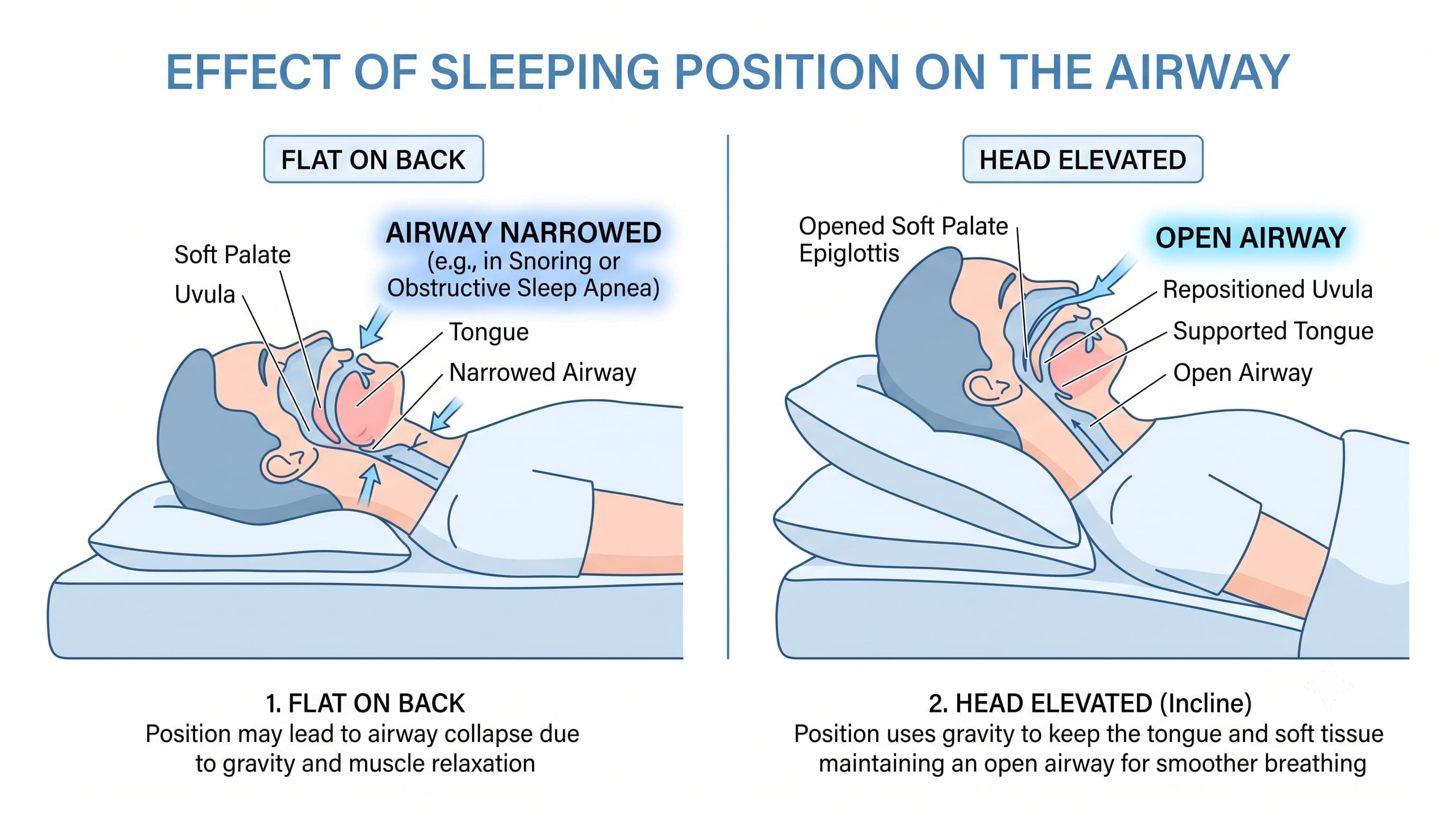
Snoring happens when relaxed throat tissue partially obstructs the airway, causing it to vibrate as air passes through. Obstructive sleep apnea is a more severe version of the same mechanism, where the airway closes enough to briefly stop breathing. Three mattress-related factors change how likely that obstruction is on any given night.
Sleep Position
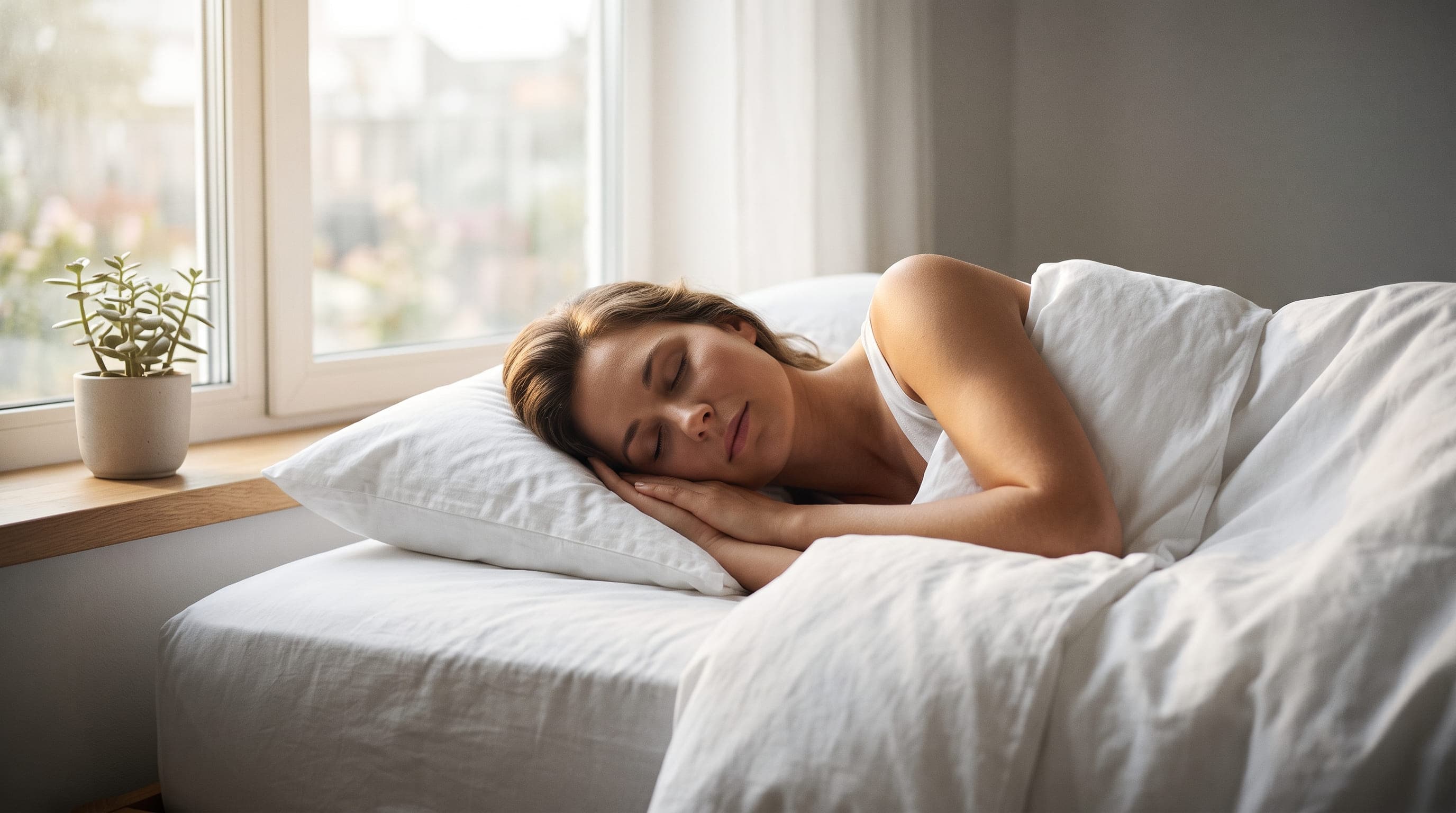
Back sleeping is the single biggest positional contributor to snoring. Lying flat on your back lets gravity pull the tongue and soft palate backward into the throat, narrowing the airway. Side sleeping keeps the airway more open for most people. A mattress that is too soft or too firm for your body type makes side sleeping less comfortable over a full night, which pushes people back onto their backs without realizing it.
Spinal and Neck Alignment
When your shoulders and hips are not properly supported, the neck compensates by bending out of a neutral position — which can itself partially restrict airflow independent of throat tissue. This is why mattress firmness and pillow loft matter together, not separately: see our mattress firmness guide for how body weight and sleep position determine the right firmness level.
Elevation
Raising the head and upper body relative to the rest of the body reduces the gravitational pull on throat tissue and can meaningfully reduce snoring frequency and intensity. This is the mechanism behind wedge pillows and, more effectively, adjustable bed bases — covered in detail below.
Body Weight and Sink
Heavier body weight compresses soft tissue in the neck and throat more even before lying down, and a mattress that sinks too deeply under the hips and shoulders compounds this by letting the torso settle into a position that compresses the chest and restricts full diaphragm expansion. This is a separate mechanism from spinal alignment — it's about how freely the ribcage and diaphragm can move, which affects both breathing depth and the muscle tone that keeps the airway open. A supportive, responsive surface that doesn't let the midsection collapse below the shoulders and hips helps maintain fuller, less restricted breathing throughout the night.
What to Look for in a Mattress if You Snore
Medium to medium-firm support (6–7 out of 10 on the firmness scale). A mattress that is too soft allows the hips and shoulders to sink unevenly, which twists the spine and neck out of alignment even when side sleeping. A mattress that is too firm creates pressure points that make side sleeping uncomfortable enough that people roll onto their backs during the night.
Strong edge and perimeter support. Side sleepers who use the edge of the bed for stability benefit from a mattress that doesn't collapse at the perimeter — this keeps the sleeping surface usable and encourages staying on your side through the night.
Responsive foam or hybrid construction over slow-sinking all-foam. A mattress that lets you reposition easily without feeling stuck makes it easier to stay off your back. Hybrid mattresses with a coil support core generally offer more responsiveness than dense all-foam models.
Compatibility with an adjustable base, if elevation is part of your strategy. Not every mattress flexes properly on an adjustable frame — see the compatibility section below.
Our Top Mattress Picks for Snoring and Side Sleeping
1. Nectar Classic — Best Overall for Snoring-Prone Side Sleepers
Price: $499–$1,099 (Queen) | Firmness: Medium-Firm (6.5/10) | Type: All-Foam
The Nectar Classic delivers consistent, even pressure relief at the shoulders and hips that keeps side sleeping comfortable through a full night, which is the single most effective snoring countermeasure available from a mattress alone. The memory foam layers contour to the body without the excessive sink that pushes people onto their backs.
Best for: Side sleepers who want to stay off their back without spending on a premium hybrid.
Read our full Nectar Classic Mattress Review →
2. DreamCloud Classic — Best Hybrid for Combination Sleepers
Price: $699–$1,398 (Queen) | Firmness: Medium-Firm (6.5/10) | Type: Hybrid
For people who shift positions throughout the night, the DreamCloud's coil support core adds the responsiveness that all-foam mattresses lack — repositioning onto your side takes less effort, which matters if you tend to drift onto your back without noticing. It also pairs cleanly with an adjustable base if you decide to add head elevation later.
Best for: Combination sleepers who move between back and side through the night.
Read our full DreamCloud Classic Mattress Review →
3. Purple Original — Best for Hot Sleepers Who Snore
Price: $999–$1,899 (Queen) | Firmness: Medium-Firm (6/10) | Type: Hybrid with Hyperelastic Polymer Grid
Overheating is a common reason people kick off blankets and end up flat on their back. The Purple Original's open grid structure sleeps significantly cooler than dense memory foam, which helps side sleepers stay in position — and under covers — through the night instead of sprawling out.
Best for: Side sleepers who run hot and tend to end up on their back once they overheat.
Read our full Purple Original Mattress Review →
4. Helix Midnight Luxe — Best Splurge for Targeted Pressure Relief
Price: $1,695–$1,999 (Queen) | Firmness: Medium (6/10) | Type: Hybrid with Memory Foam Pillow Top
The added pillow-top layer gives shoulders and hips deeper cushioning without losing the responsiveness of the coil base beneath it, making extended side-sleeping sessions genuinely comfortable rather than merely tolerable — a meaningful difference for anyone who currently avoids side sleeping because it gets uncomfortable after an hour. The zoned coil layout also holds up well under the added weight and hose routing that CPAP users often deal with when repositioning during the night.
Best for: Side sleepers who want premium pressure relief and don't need to watch the budget.
Read our full Helix Midnight Luxe Mattress Review →
5. Zinus Green Tea Memory Foam — Best Budget Pick
Price: $152–$310 (Queen) | Firmness: Medium-Firm (6.5/10) | Type: All-Foam
A genuinely comfortable medium-firm side-sleeping surface at one of the lowest price points we've tested. It won't match the responsiveness of a hybrid, but the firmness level and pressure relief are appropriate for snoring-prone side sleepers on a tight budget.
Best for: Budget-conscious buyers who still want proper side-sleeping support.
Read our full Zinus Green Tea Mattress Review →
Should You Add an Adjustable Base?
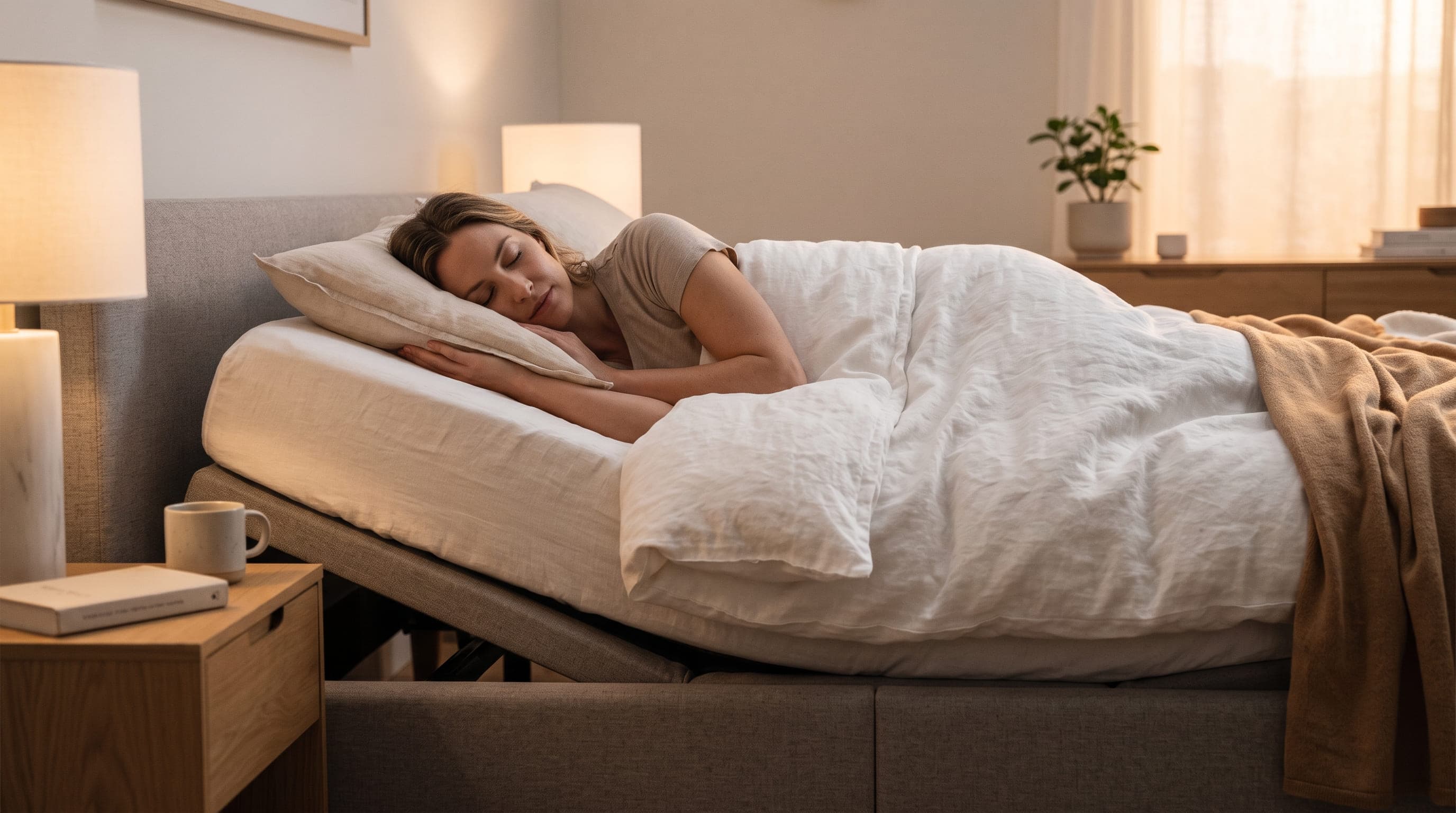
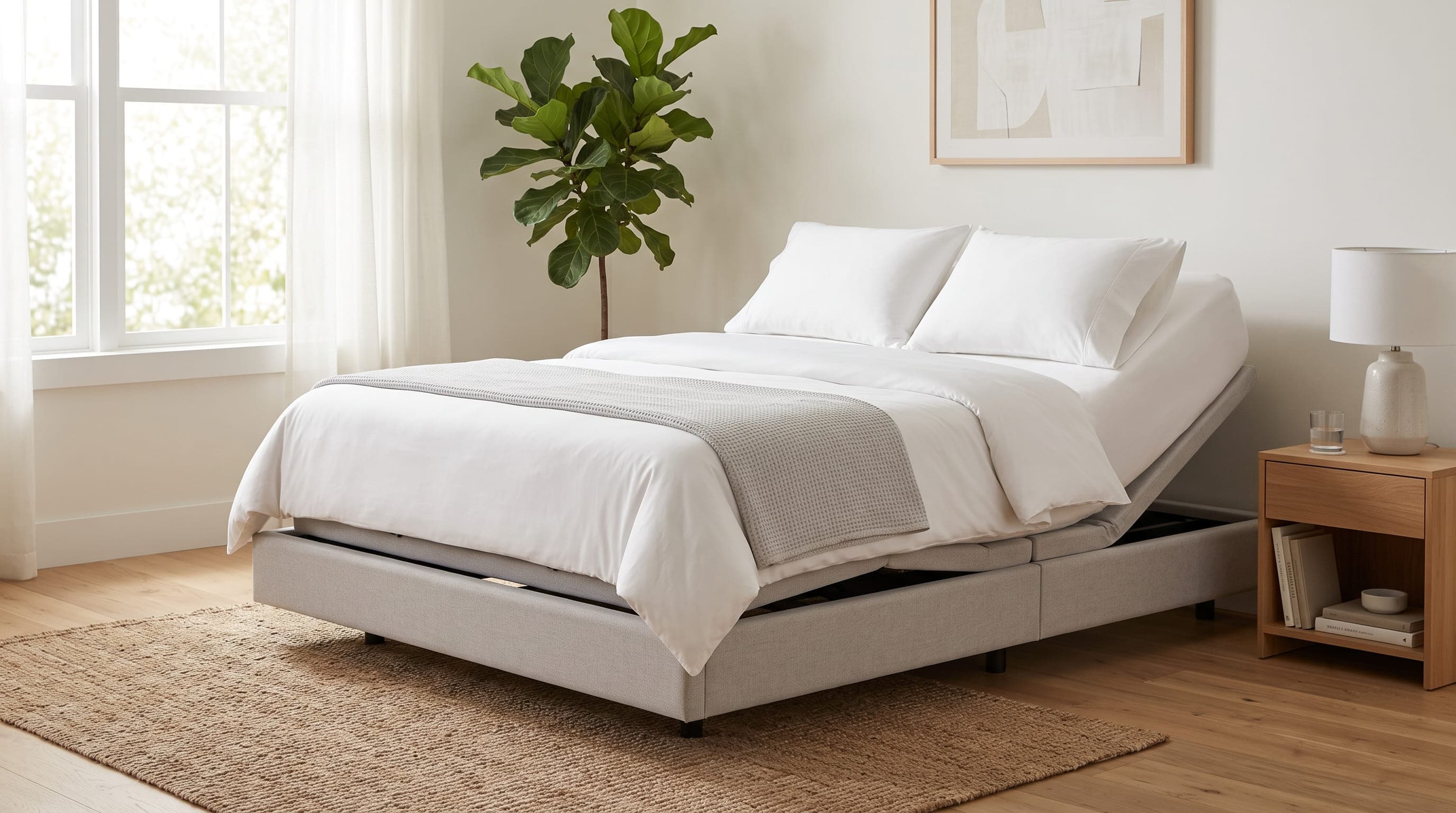
Elevating the head and upper body is one of the most effective non-medical interventions for reducing snoring, because it uses gravity against the problem instead of letting gravity contribute to it. An adjustable bed base does this far more reliably than a stack of pillows, which flattens out and shifts during the night.
Head elevation on an adjustable base keeps the upper body raised at a consistent angle all night, reducing the airway narrowing that happens when lying fully flat. Many users report a noticeable drop in snoring frequency within the first few nights of sleeping elevated.
Not every mattress performs well on an adjustable frame — thick, rigid mattresses can crack or fail to flex properly at the joints. Our Best Adjustable Bed Base guide covers which mattress types are compatible, how much elevation actually helps, and which base models we recommend.
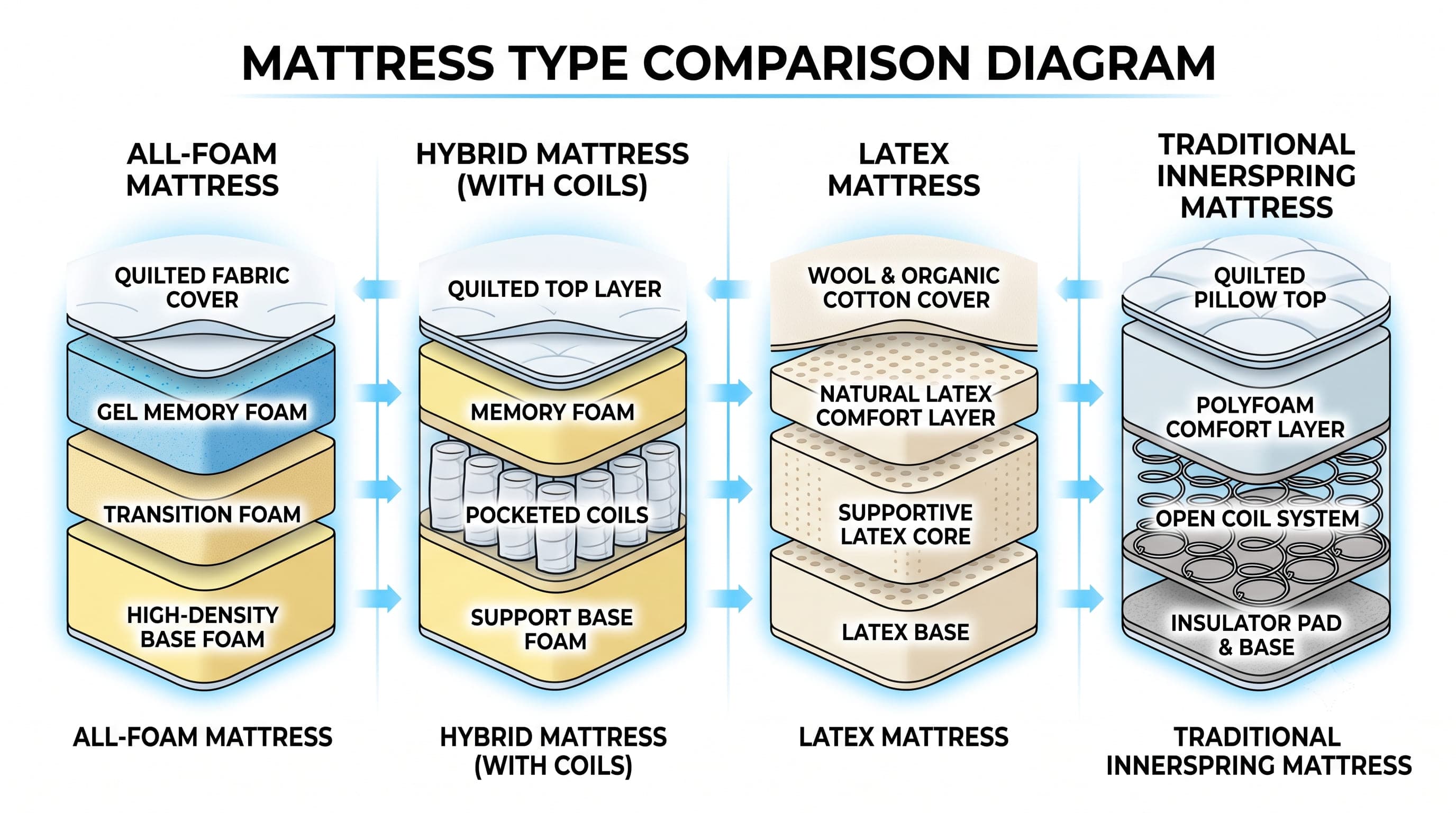
Mattress Type Comparison: Which Construction Helps Most
Memory foam (all-foam). Excellent pressure relief and motion isolation, which matters if a partner's movement (or snoring-related tossing and turning) disrupts your own sleep. The tradeoff is slower response — some memory foam mattresses make it harder to reposition quickly, though modern formulations like the Nectar Classic have largely closed this gap compared to older, denser memory foam.
Hybrid (coils + foam comfort layers). Generally the best overall category for snoring-prone sleepers. The coil support core adds responsiveness that makes repositioning onto your side effortless, while the foam comfort layers still provide pressure relief at the shoulder and hip. Hybrids also tend to sleep cooler than all-foam mattresses, which matters since overheating is a common reason people end up flat on their back after kicking off blankets.
Latex. Naturally responsive and breathable, with a bouncier feel than memory foam that makes repositioning easy. Latex mattresses are less common in budget price ranges but are worth considering if you specifically want a foam-like contour without the slow sink of traditional memory foam — see our latex pillow guide for the equivalent reasoning applied to pillows.
Innerspring (traditional coil, no foam comfort layer). Generally not recommended for this use case. Traditional innerspring mattresses provide little pressure relief at the shoulder, which makes side sleeping uncomfortable over a full night and increases the likelihood of rolling onto your back.
How Weight and Sleep Position Should Guide Your Pick
Side sleepers under 130 lbs generally do best with a softer medium (5.5–6/10) surface that allows enough shoulder and hip sink for a neutral spine without the added responsiveness of a firmer hybrid working against them.
Side sleepers between 130–230 lbs are the core audience for the picks above — a medium-firm (6–7/10) hybrid or supportive all-foam mattress balances pressure relief with enough support to avoid excessive sink.
Side sleepers over 230 lbs should lean toward a firmer hybrid with a robust coil core and minimal-sink comfort layer, since excess sink at this weight range compresses the torso and can work against easier breathing rather than helping it. A thicker mattress (13"+) with reinforced edge support also holds up better long-term at higher body weights.
Combination sleepers who move between back and side benefit most from a responsive hybrid — the DreamCloud Classic above is built for exactly this — since a mattress that's easy to reposition on makes it less effortful to correct back-sleeping when it happens.
For a deeper breakdown by weight and position beyond snoring specifically, see our mattress firmness guide and Best Mattress for Side Sleepers.
Pillow Choice Matters Just as Much as the Mattress
A pillow that is too high or too low tilts the neck and can narrow the airway independent of anything the mattress is doing. The goal is a neutral spine from shoulders to head — not craning the chin down or tipping the head back.
Tempur-Pedic Tempur-Ergo Neck Pillow — Contoured cervical support designed to keep the neck neutral in both back and side positions.
Naturepedic Organic Latex Side Sleeper Pillow — A firmer, higher-loft latex pillow built specifically to fill the gap between the shoulder and head for side sleepers.
Coop Home Goods Original Pillow — Adjustable shredded fill lets you customize loft to your exact shoulder width, which matters more for airway alignment than most people realize.
See our full Best Pillow for Neck Pain guide for the complete comparison.
When to See a Doctor Instead
A mattress and pillow adjustment can meaningfully reduce ordinary positional snoring. It is not a substitute for medical evaluation if you experience:
- Gasping or choking sounds during sleep
- Witnessed pauses in breathing (often reported by a partner)
- Excessive daytime fatigue despite a full night in bed
- Morning headaches or a dry mouth on waking most days
- Loud, chronic snoring that hasn't responded to position or weight changes
These are signs of possible obstructive sleep apnea, which requires a sleep study and medical management — CPAP therapy, an oral appliance, or in some cases surgery. A better mattress will not resolve a diagnosed airway obstruction on its own.
Frequently Asked Questions
Does mattress firmness actually affect snoring?
Indirectly, yes. Firmness affects how comfortable and stable side sleeping is over a full night. A mattress that's too soft or too firm makes side sleeping uncomfortable, which increases the odds of rolling onto your back — the position most associated with snoring.
Can an adjustable bed base help with sleep apnea?
Elevating the head and torso can reduce the frequency and severity of positional snoring and mild sleep apnea symptoms for some people, but it is not a substitute for a CPAP machine or other prescribed treatment for diagnosed obstructive sleep apnea. Discuss elevation therapy with your doctor if you have a diagnosis.
Is a firm or soft mattress better for sleep apnea?
A medium to medium-firm mattress is generally the better starting point. Very soft mattresses let the body sink unevenly, twisting the spine and neck; very firm mattresses create pressure points that discourage side sleeping. Medium-firm balances both concerns for most body types.
What sleep position is best to reduce snoring?
Side sleeping is best for most people, since it keeps the tongue and soft palate from falling backward into the airway the way they do when lying flat on your back. Stomach sleeping can also reduce snoring but carries its own spinal alignment drawbacks — see our mattress firmness guide for position-specific recommendations.
Do CPAP users need a specific type of mattress?
Not a specific type, but side sleepers using CPAP often prefer a mattress with good pressure relief at the shoulder to accommodate the mask and hose without discomfort, plus enough edge support to sit up and reposition equipment easily during the night.
The Bottom Line
If snoring or mild positional sleep apnea is disrupting your sleep, start with a medium-firm mattress that makes side sleeping genuinely comfortable through the night — the Nectar Classic is our top overall pick for this. Pair it with a properly fitted pillow and consider an adjustable base for head elevation if snoring persists. For anything beyond ordinary positional snoring — gasping, witnessed breathing pauses, or unexplained daytime fatigue — a mattress upgrade is a helpful supplement, not a substitute for medical evaluation.
Related Guides
Ready to shop? Browse our expert mattress reviews to find your perfect match.